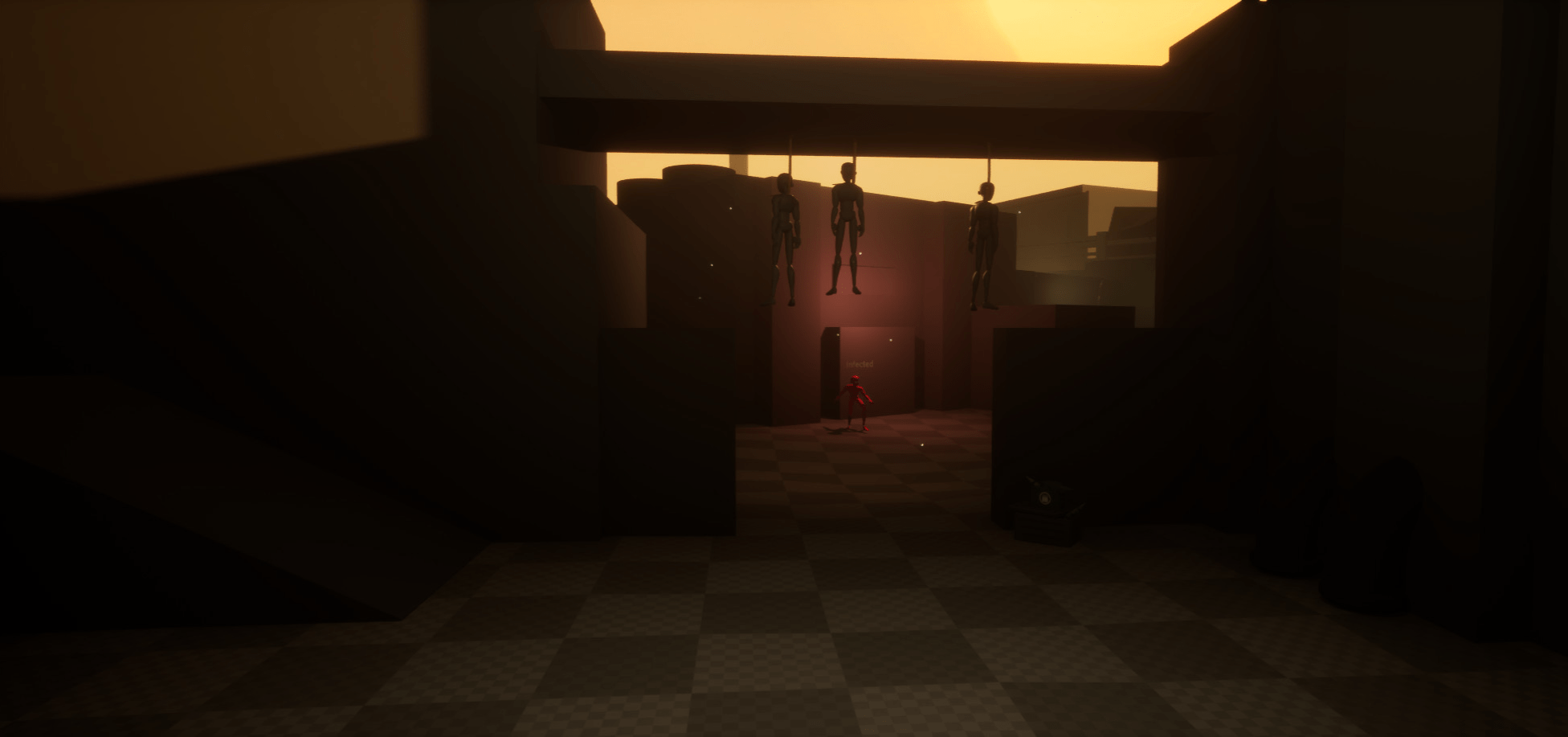
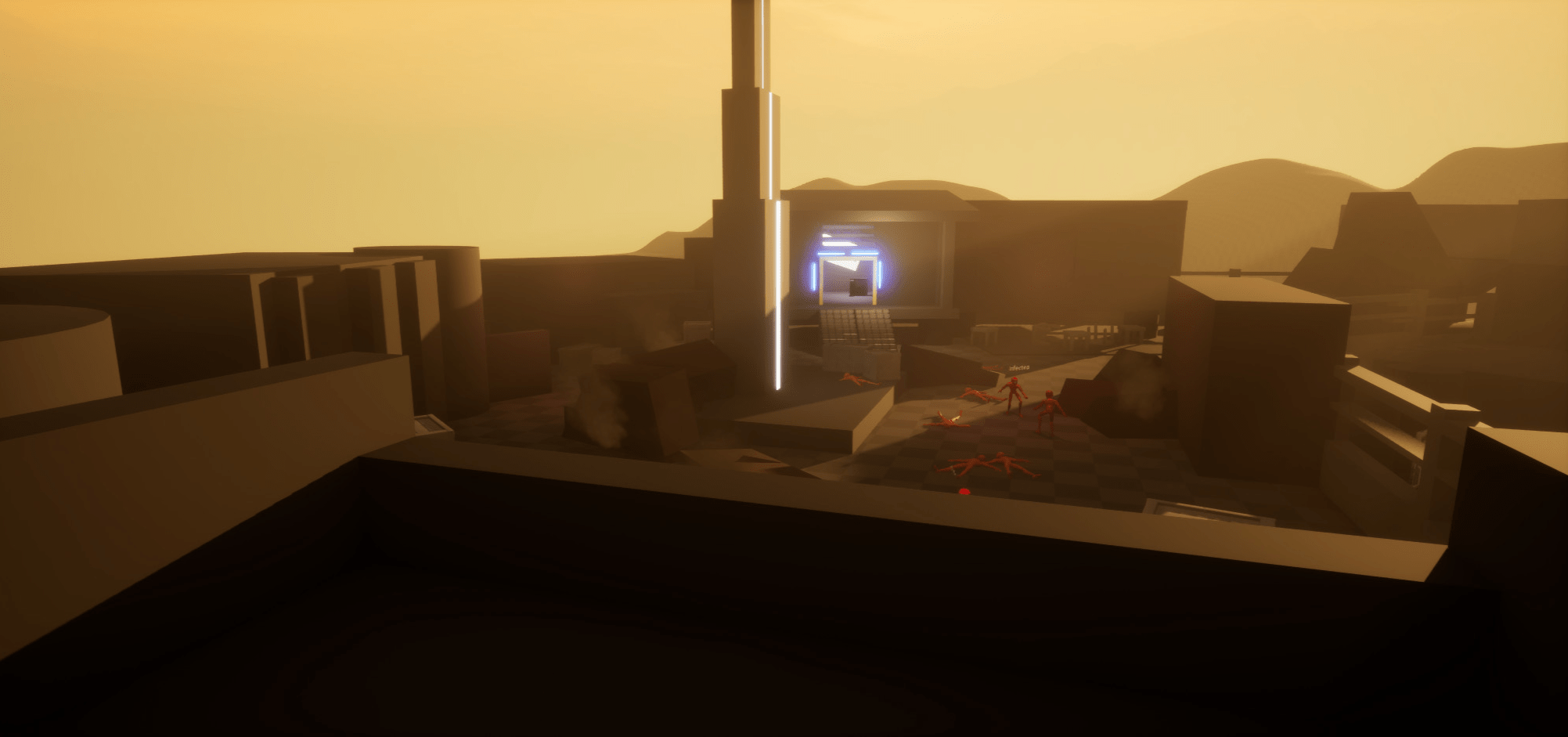
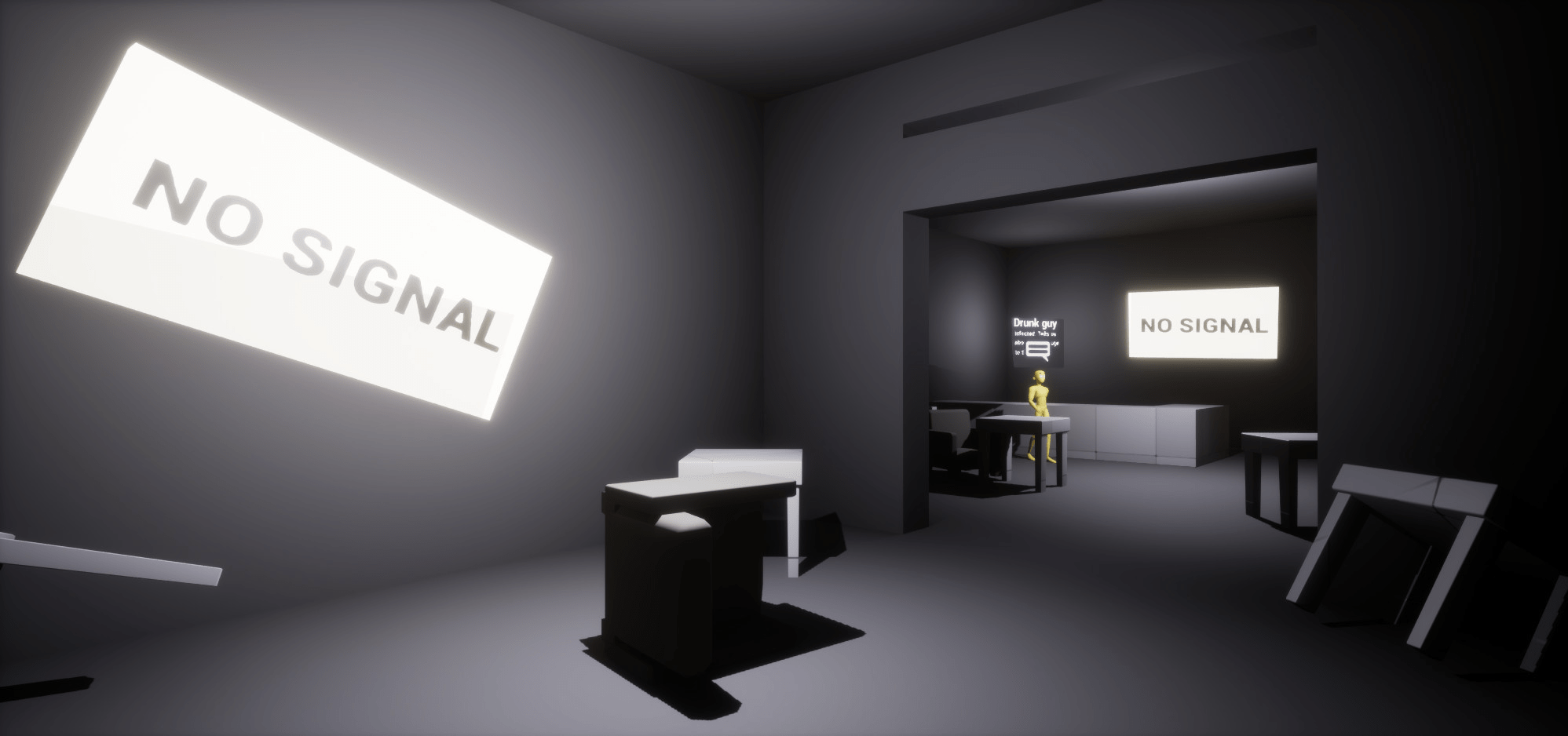
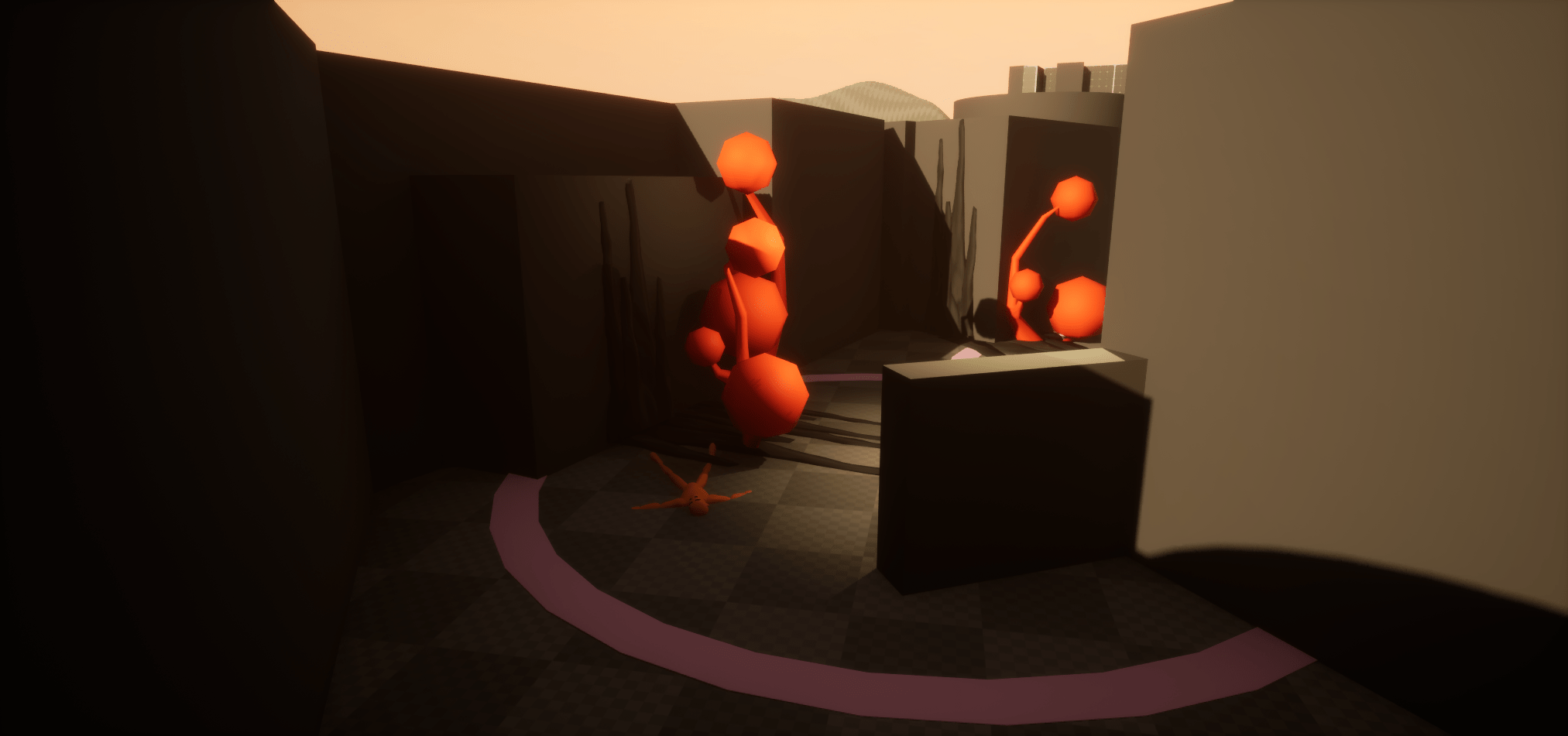
Picture of CARLA CERVERA FERRANDO

CARLA CERVERA FERRANDO

Level Designer

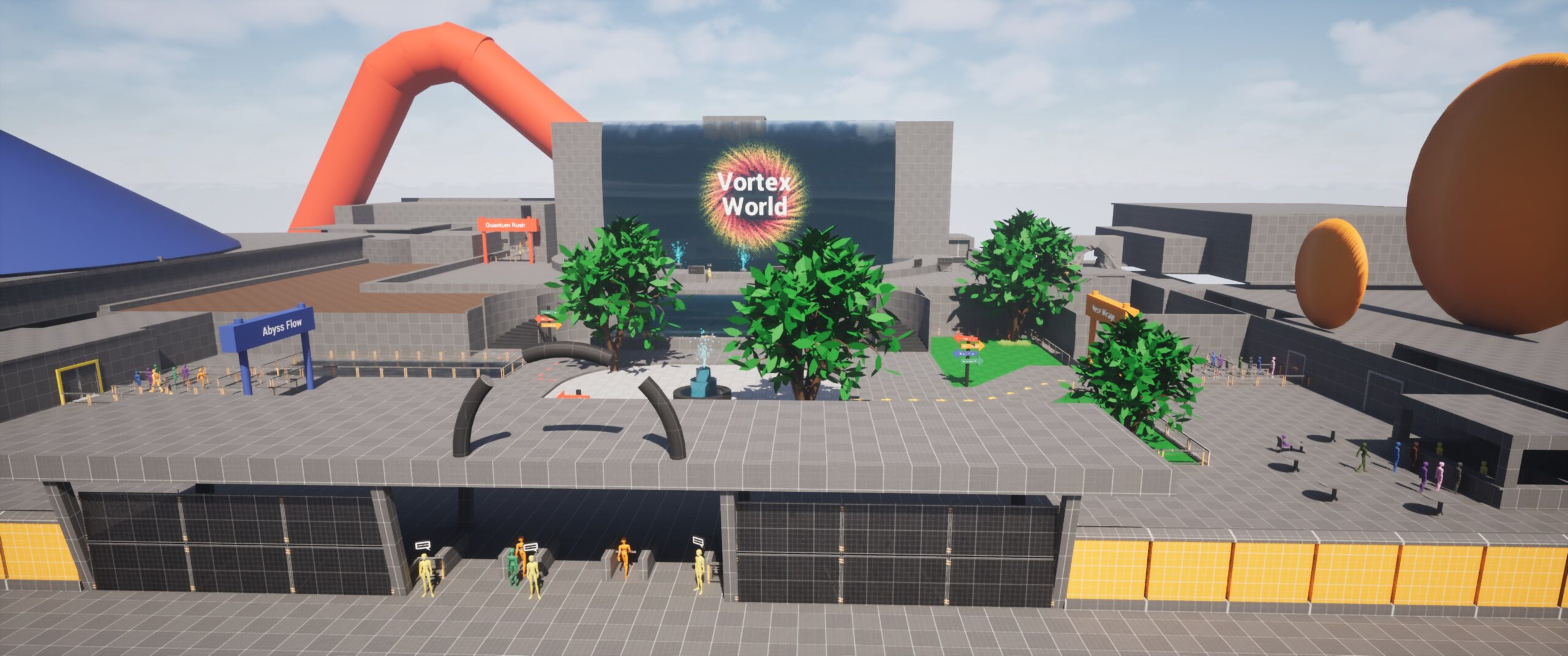
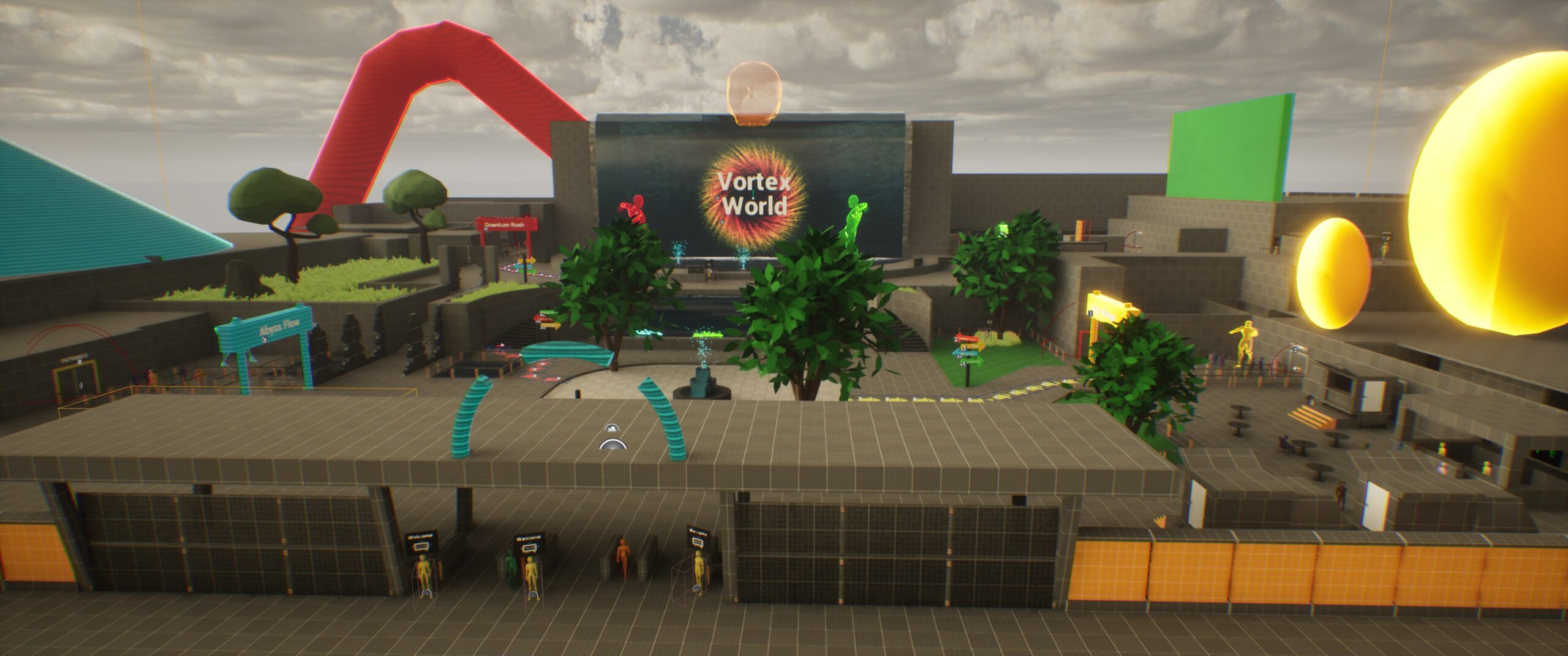
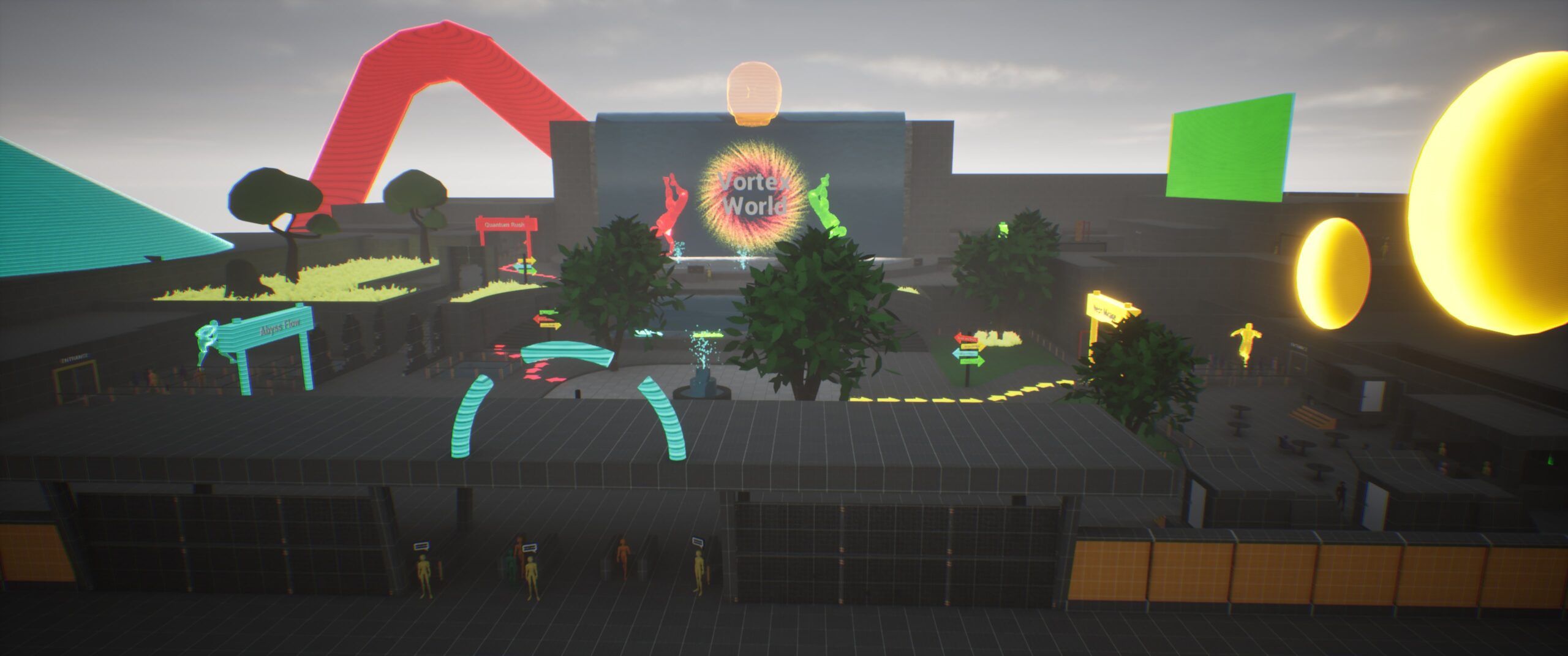
Neon Protocol: Vortex World

Goal

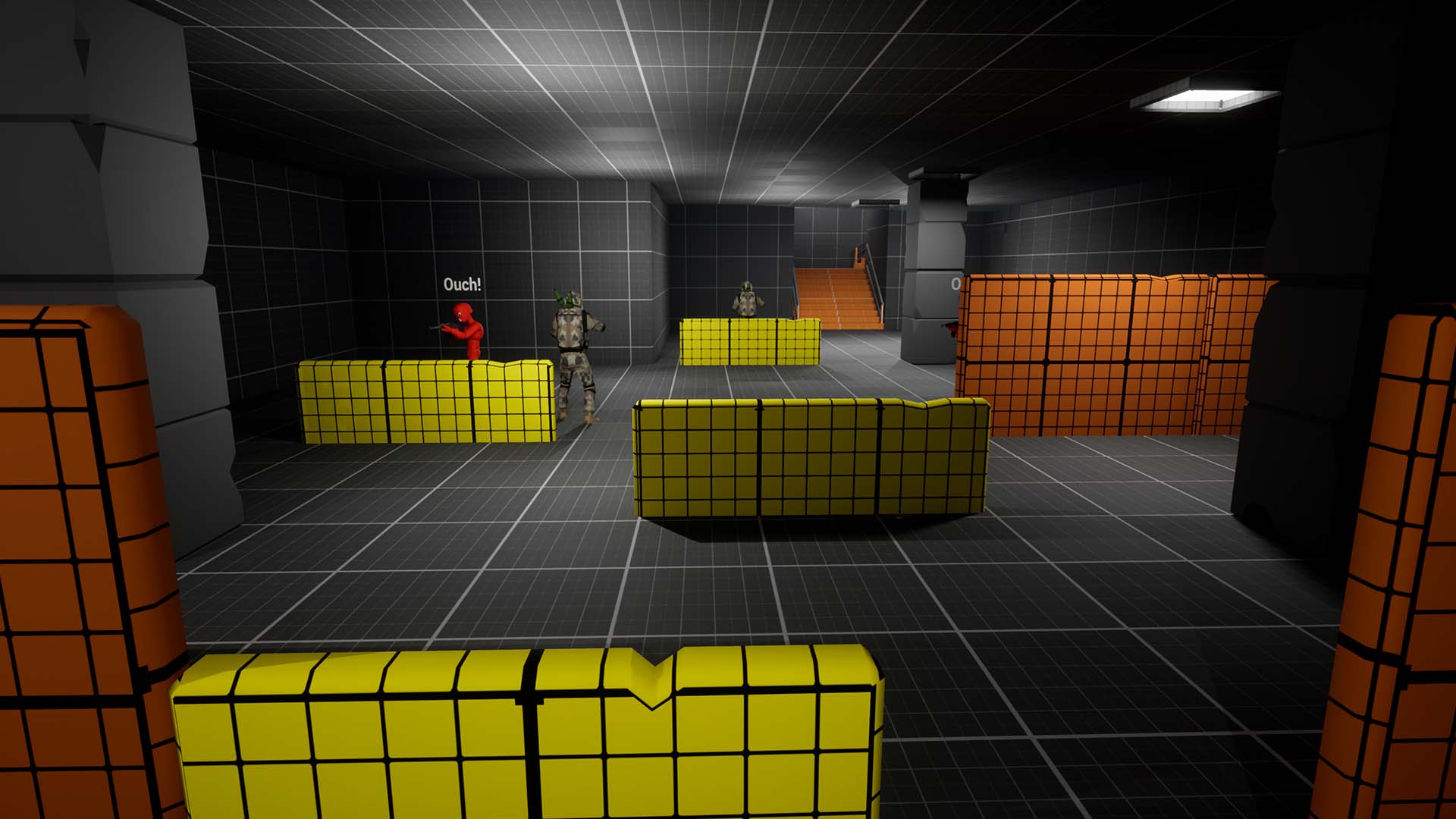
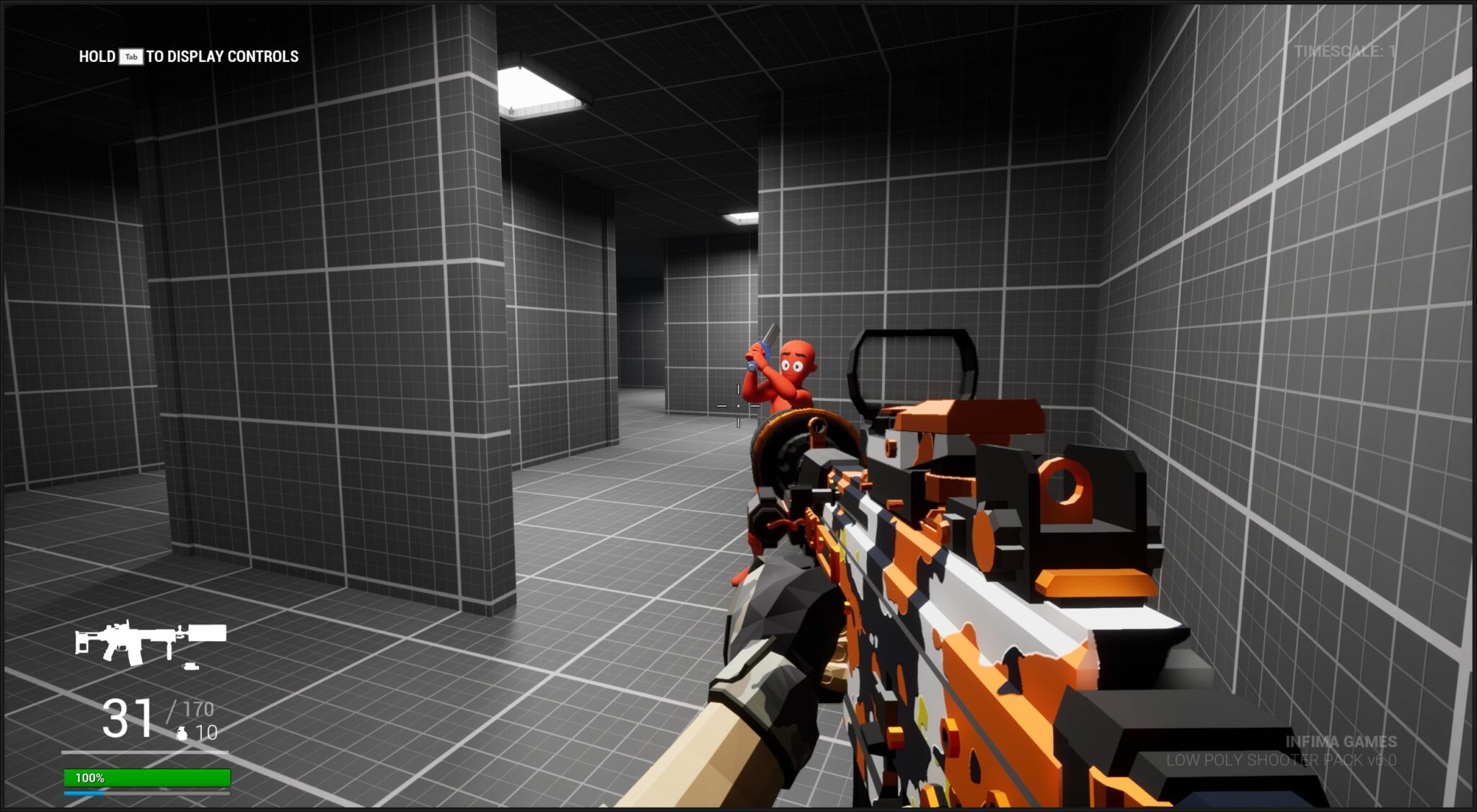
My goal for this blockout is to create an engaging and dynamic environment inspired by Call of Duty, set within a cyberpunk amusement park. This level challenges the player with:

  • Intense combat encounters.
  • Environmental hazards and interactive park elements.
  • Strategic movement through diverse park zones.
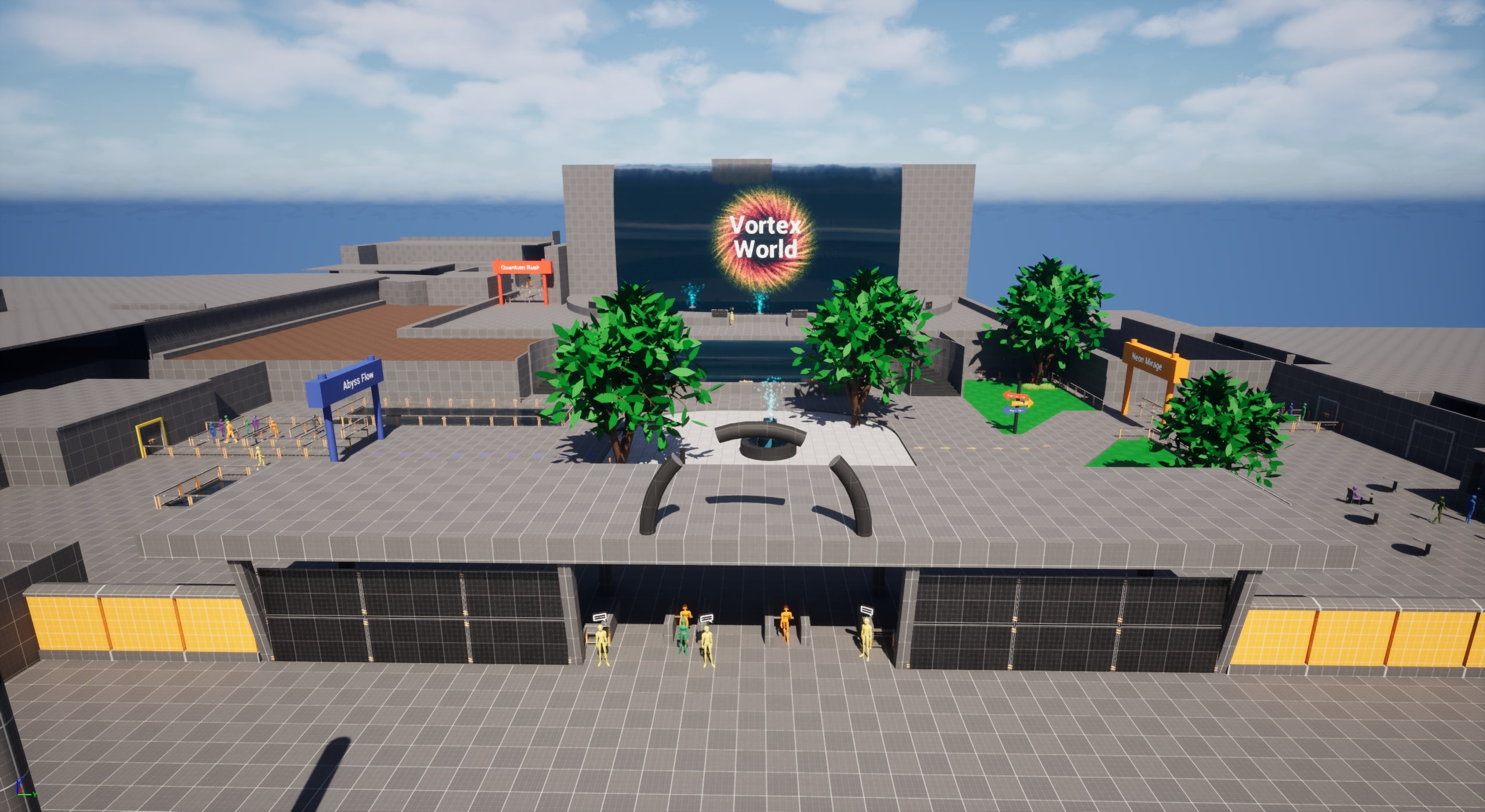
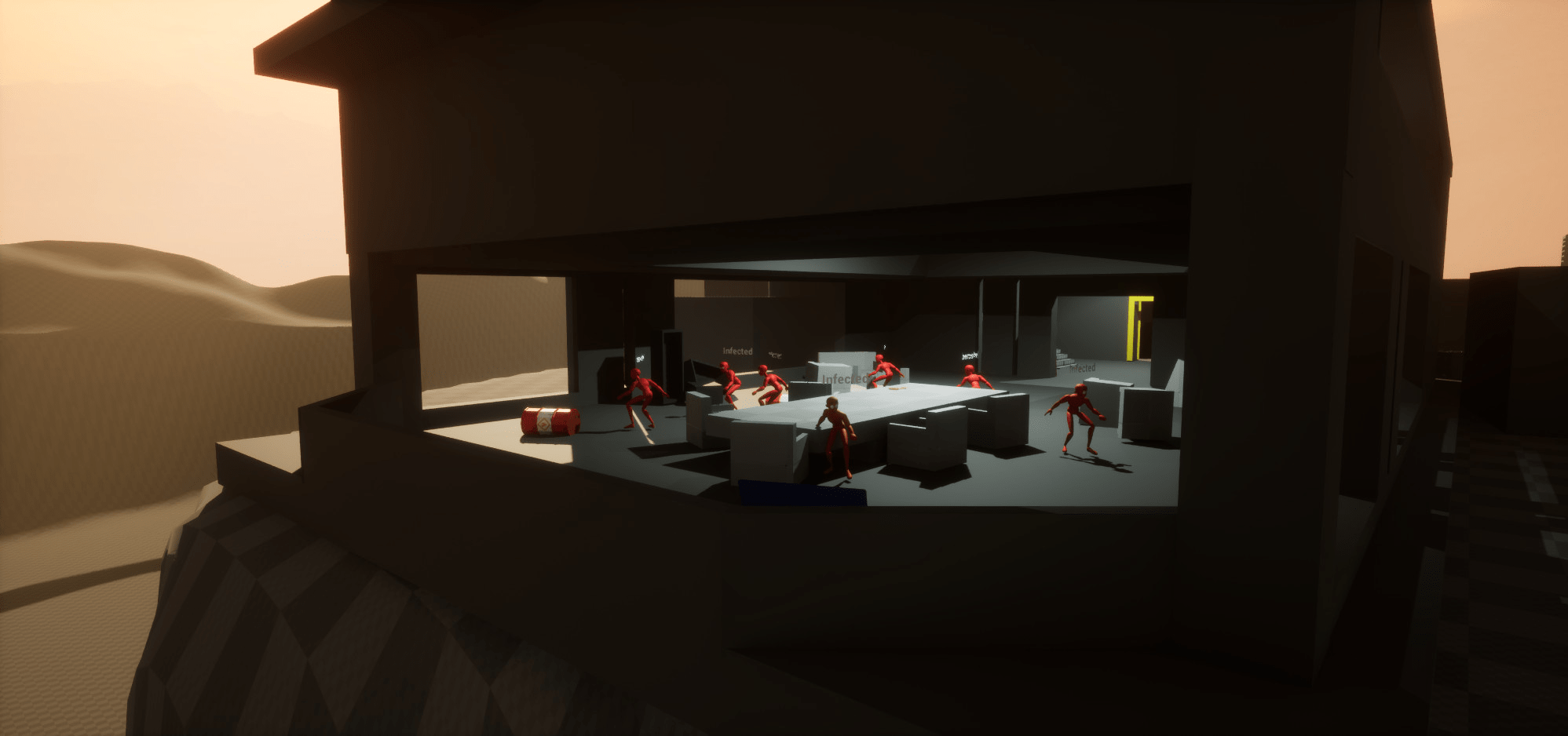
I developed this project independently, but I improved it through feedback from my peers. Their insights helped me refine the level’s pacing, encounters, and mechanics to create a fast-paced, immersive experience that captures the tension of a single-player FPS while integrating the unique atmosphere of a cyberpunk amusement park.
Overview

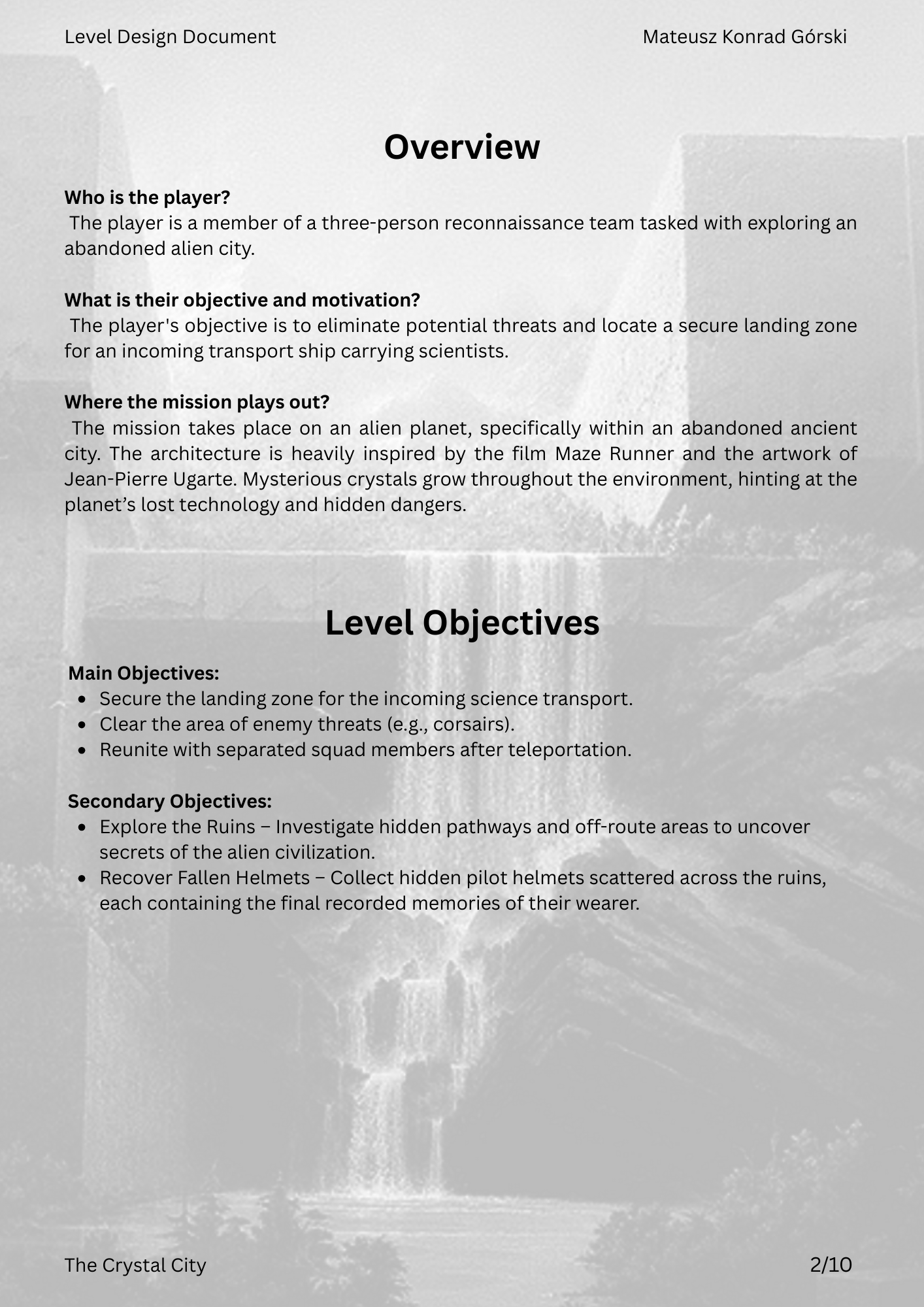
Setting: Multiple attractions across Vortex World have been corrupted by the Chrono Imperium virus, unleashed by a neo-Nazi cell hidden among the park’s visitors. The player, an undercover agent sent by a containment organization, must traverse different areas of the park, face numerous threats, and locate both halves of the virus. Only by reuniting them can they fully deactivate it and stop its spread before it’s too late.

The player must locate and deactivate both parts of the virus before they are released inside Vortex World. If they fail, the entire park —and everyone inside— could be lost forever.

Constraint:

  • FPS
  • Single – Player
  • Unreal Engine 5
  • 10-15 minute playtime

Highlights of the level

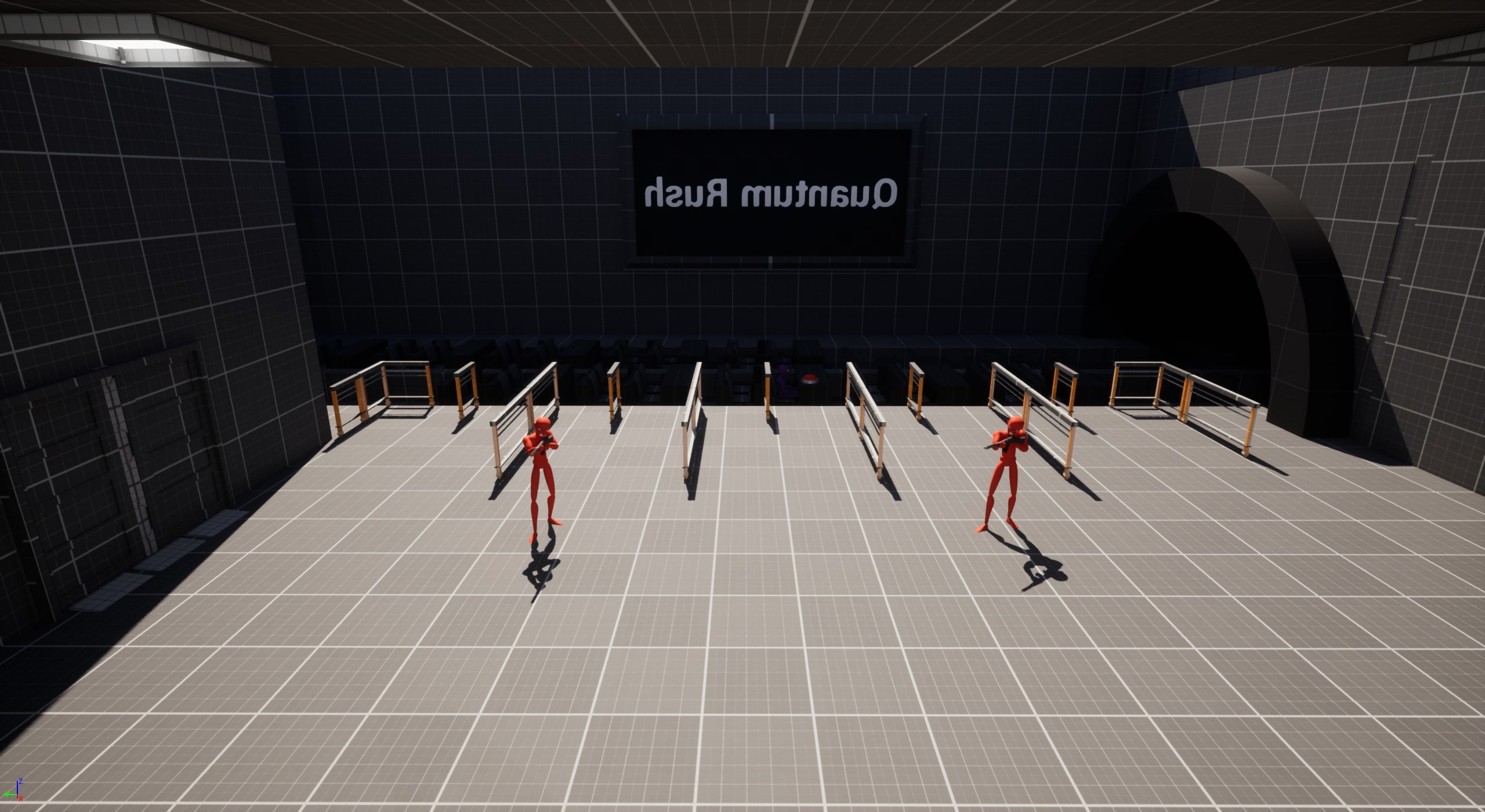
Quantum Rush infiltration and virus deactivation

Deactivate the first part of the virus “Chrono Imperium”

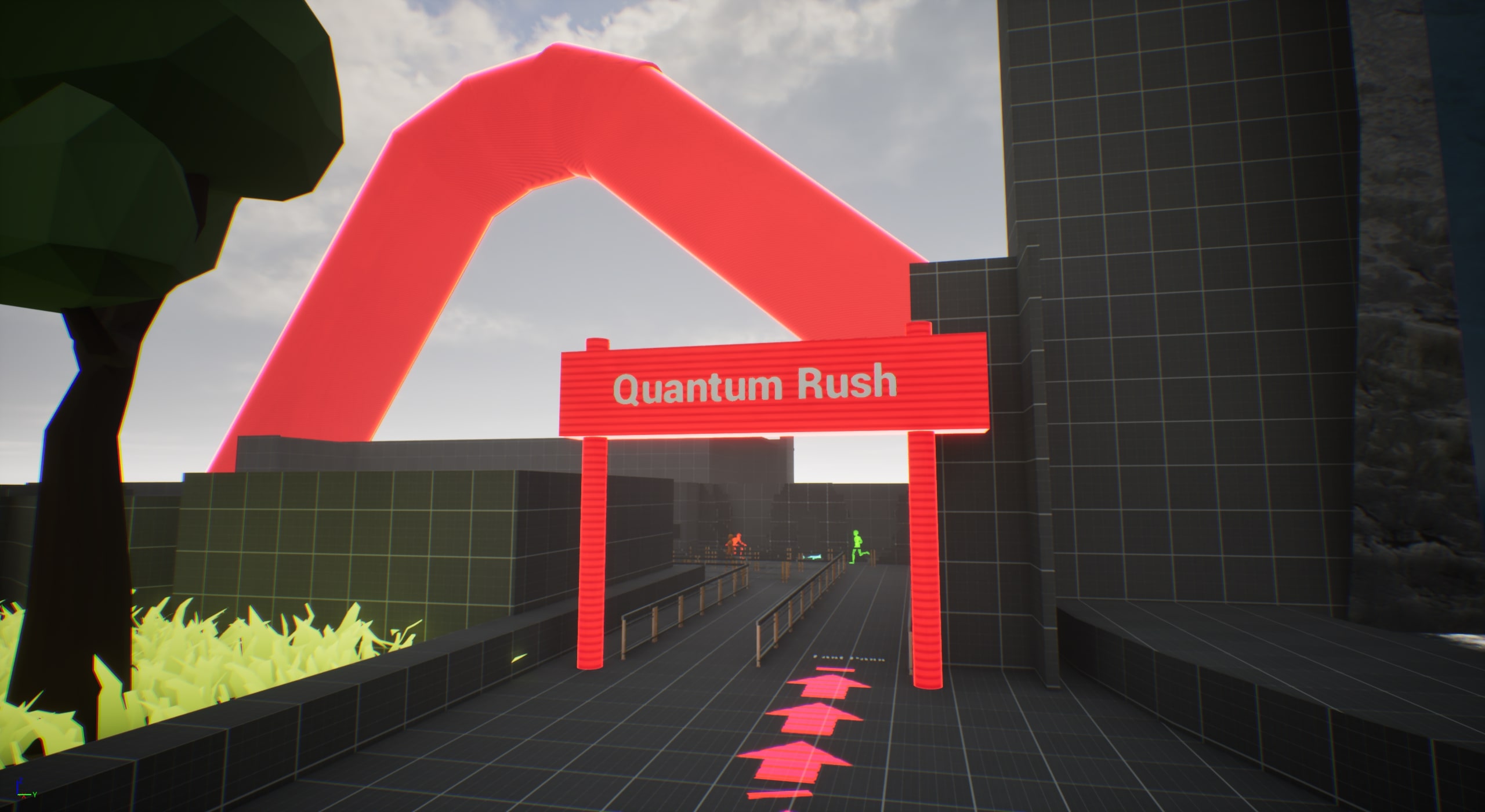
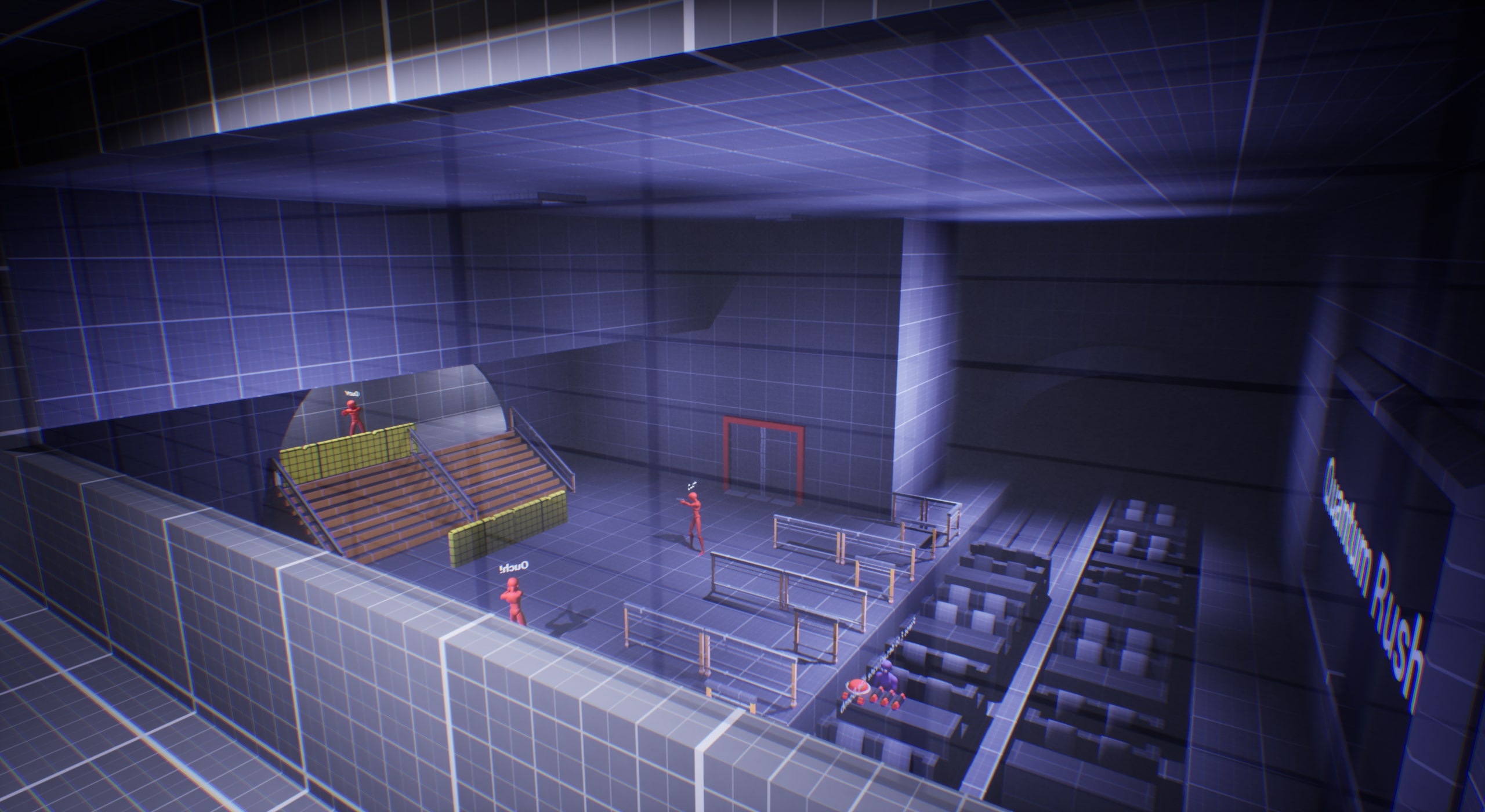
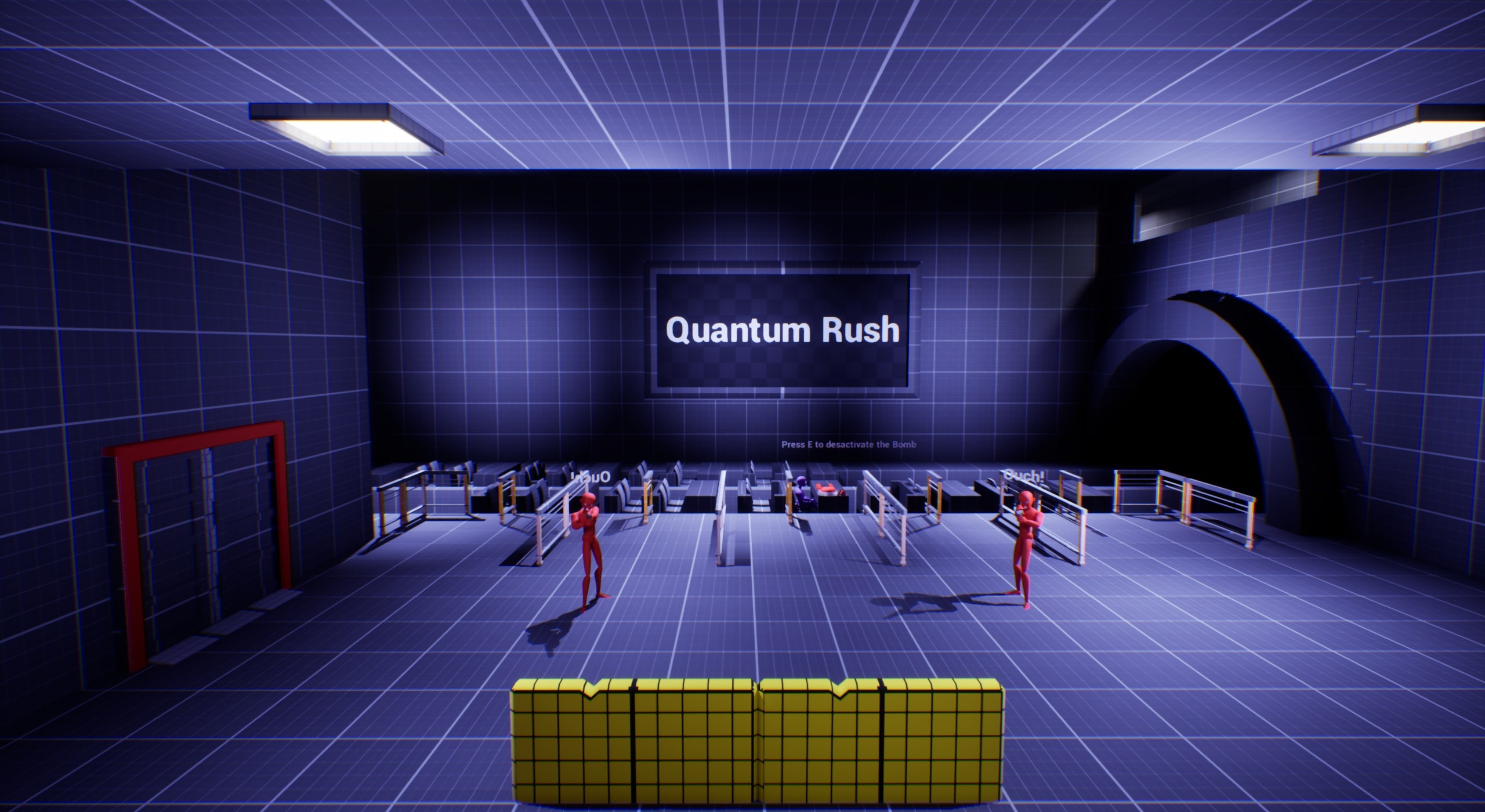
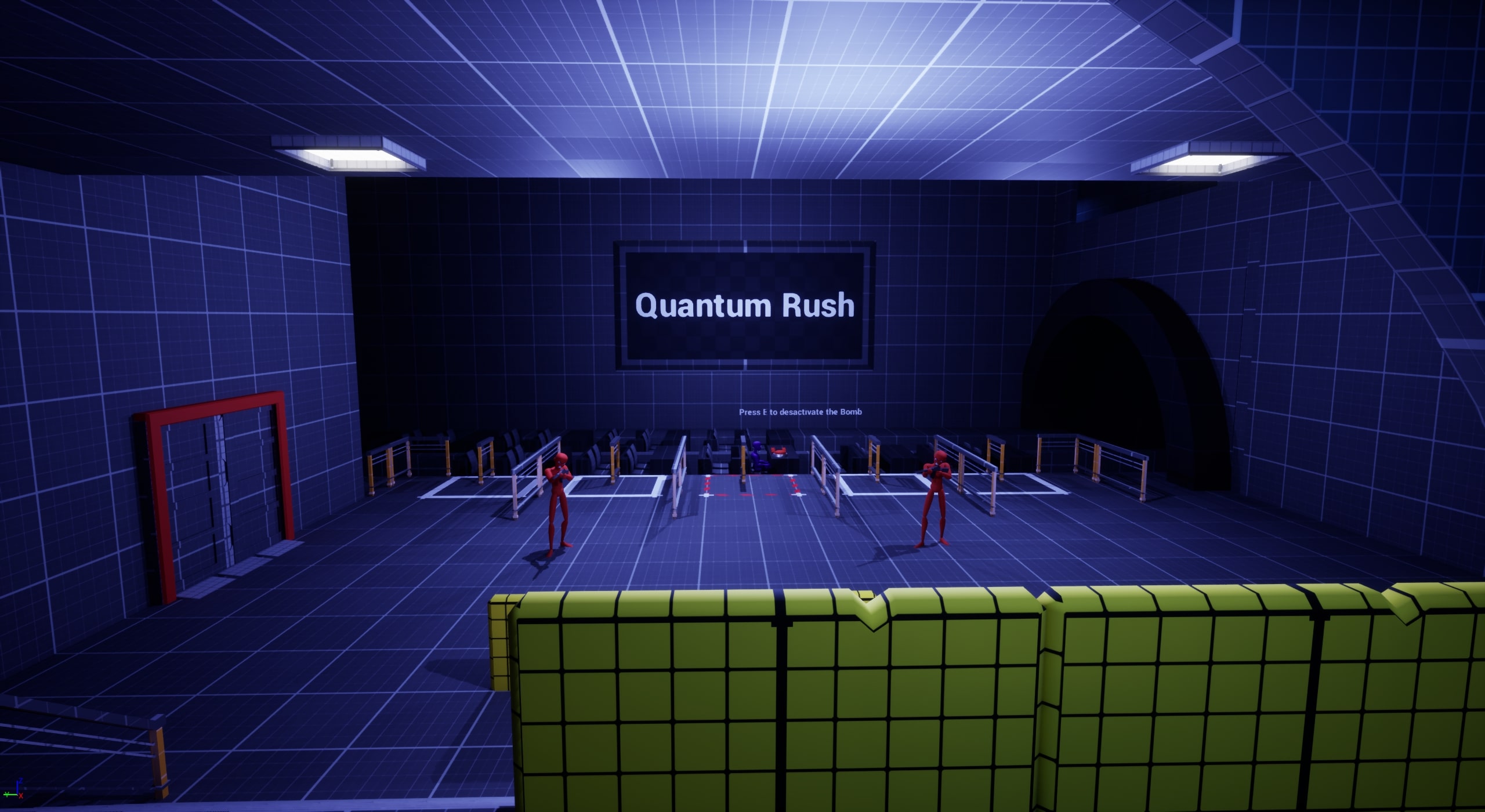
The mission after meeting Ethan is to infiltrate the “Quantum Rush” attraction and defuse the first bomb.

    • Quantum Rush: Roller coaster.
    • The First enemy Ambush: Teach players combat mechanics
    • Narrative Moment: First bomb to deactivate

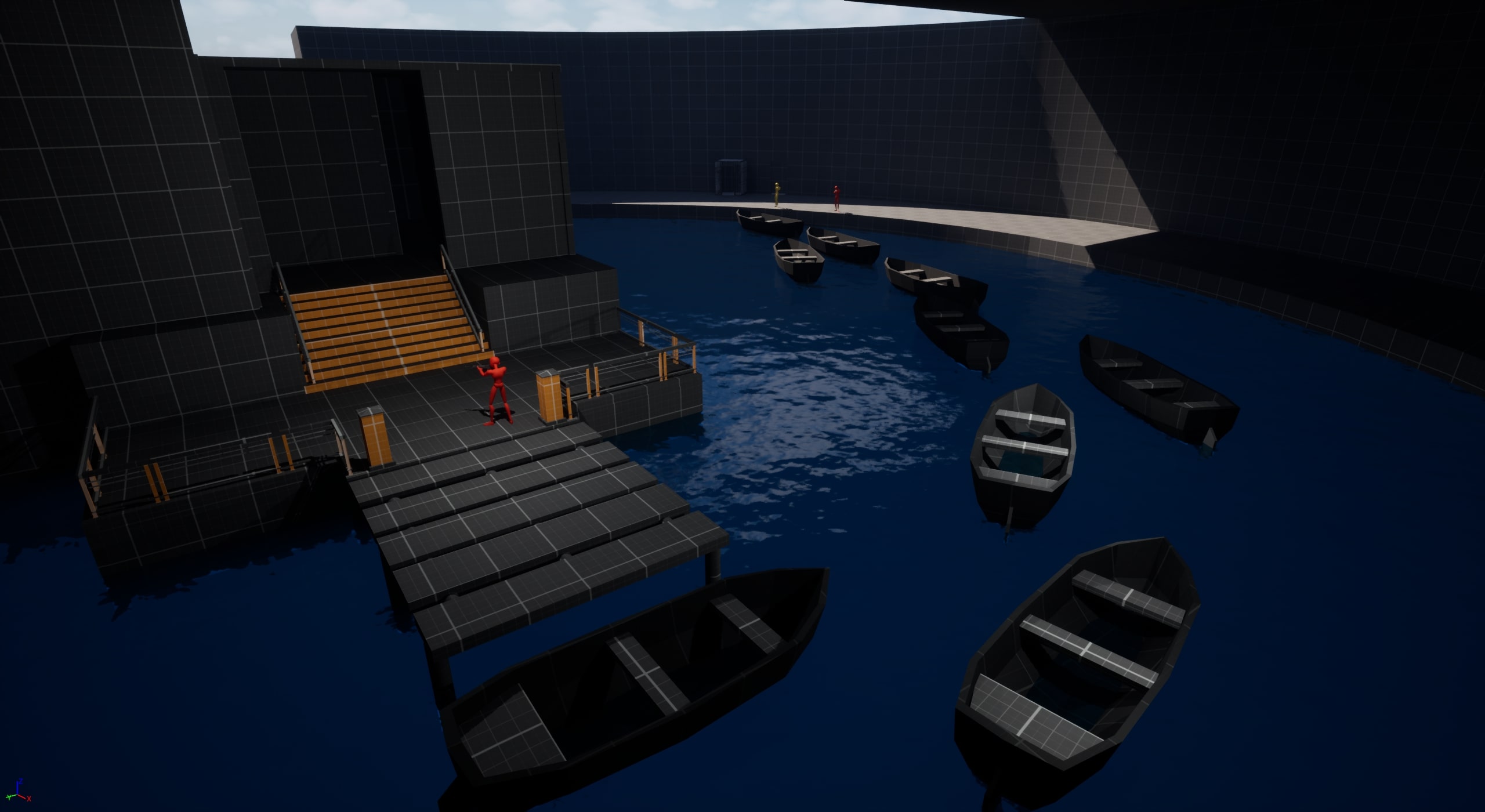
Rescue of the engineer at the Abyss Flow attraction

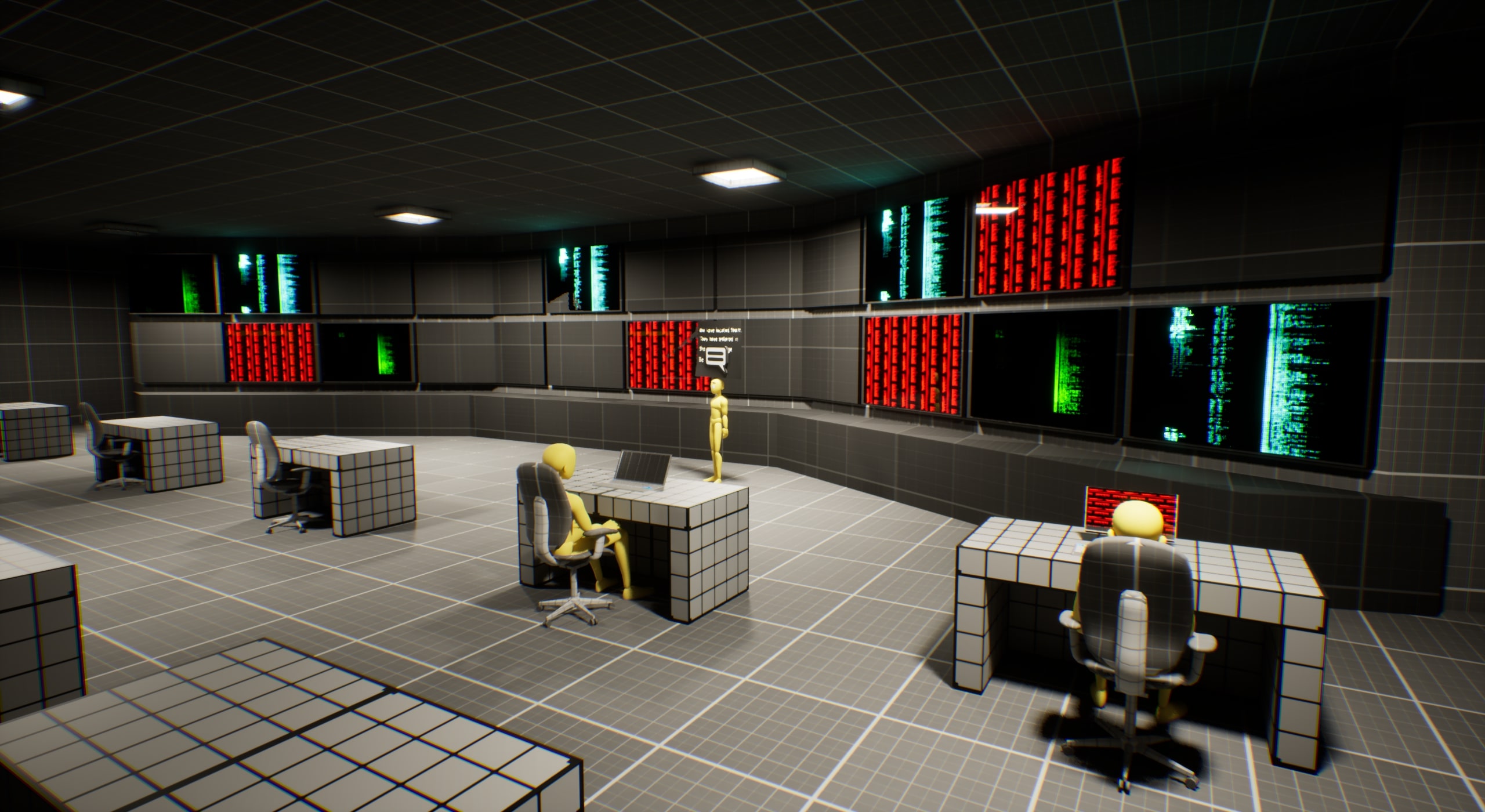
Save the engineer and access the control room.

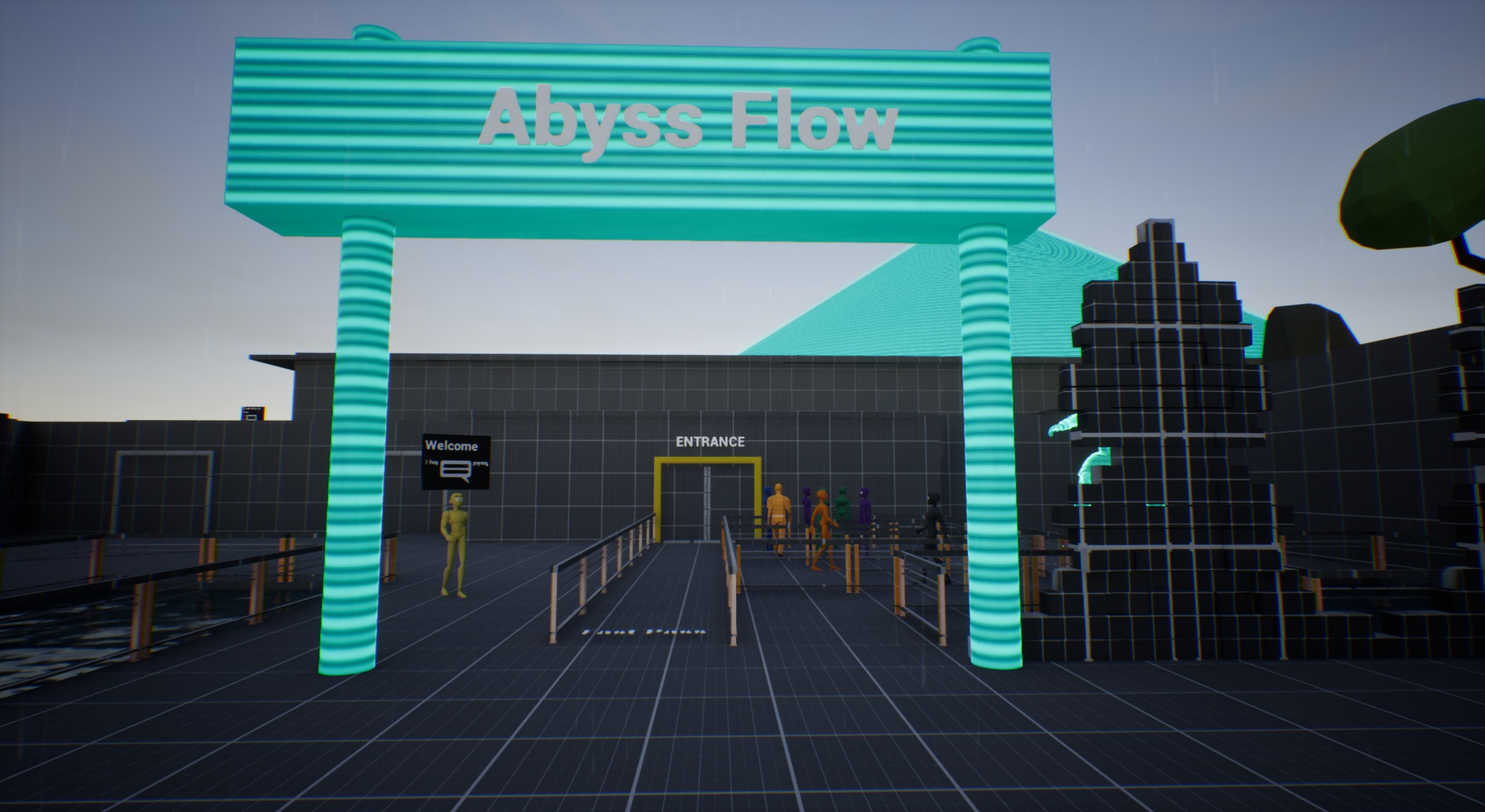
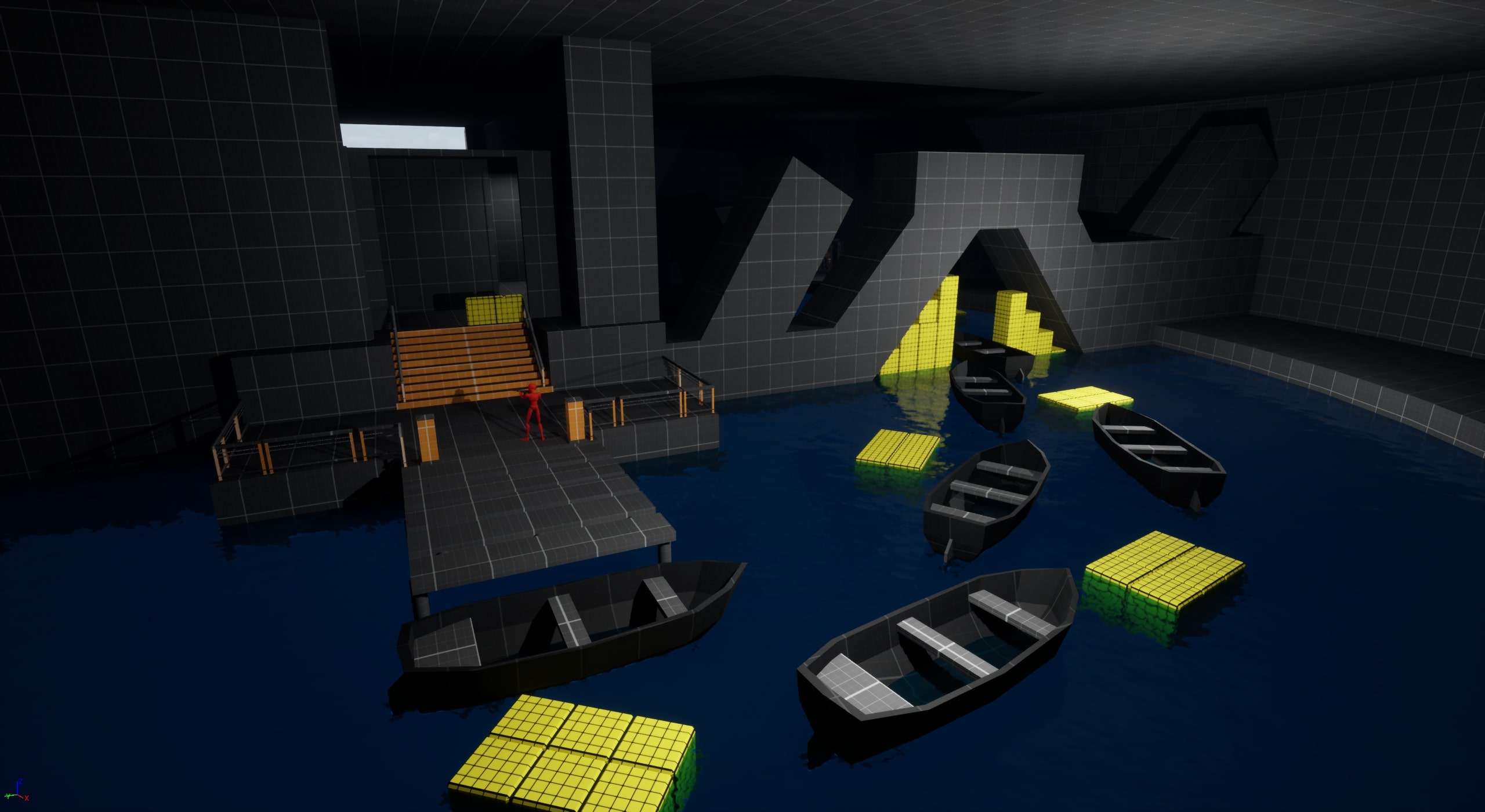
The player will have to infiltrate the “Abyss Flow” attraction and save the engineer to gain access to the control room.

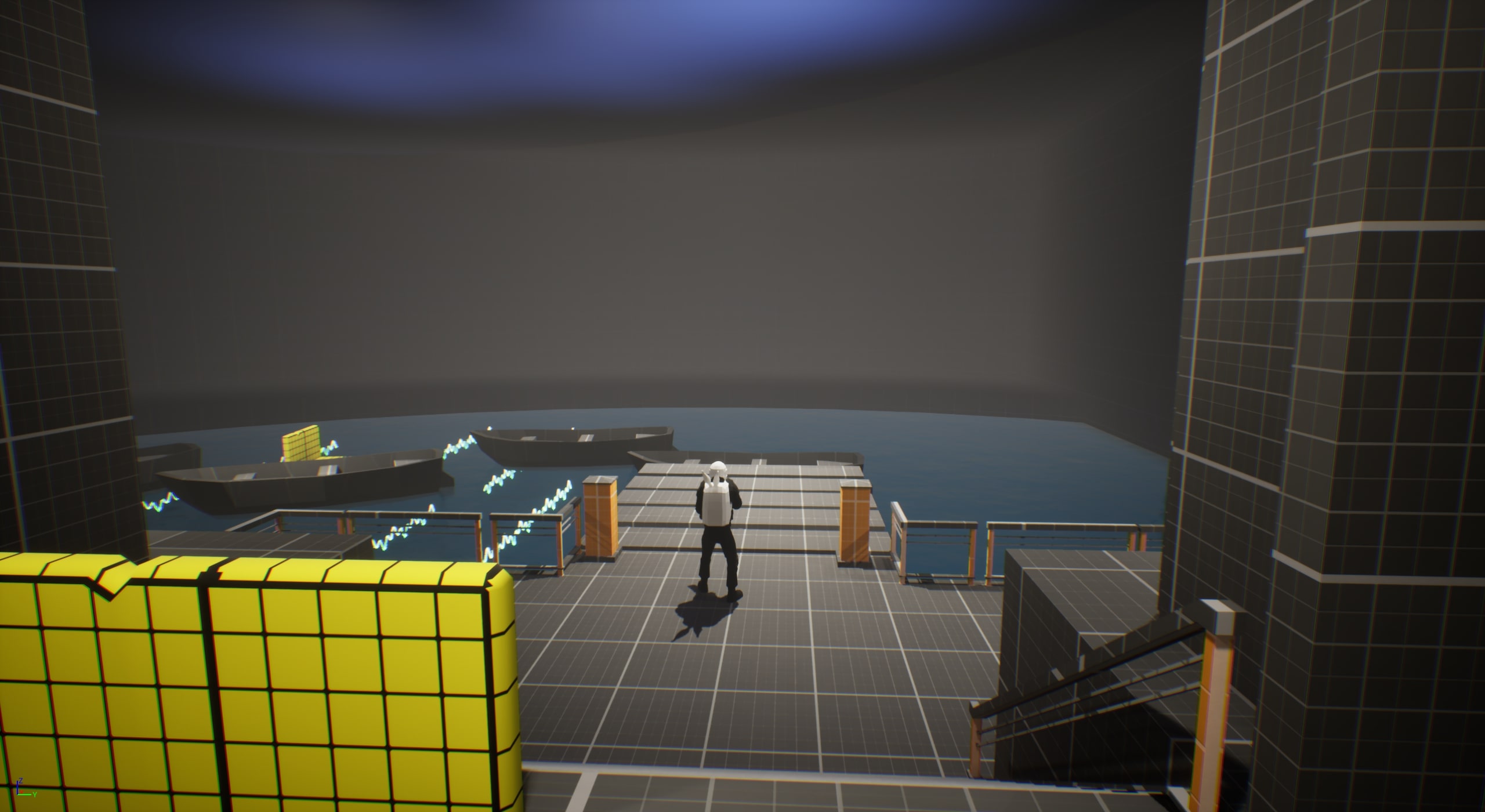
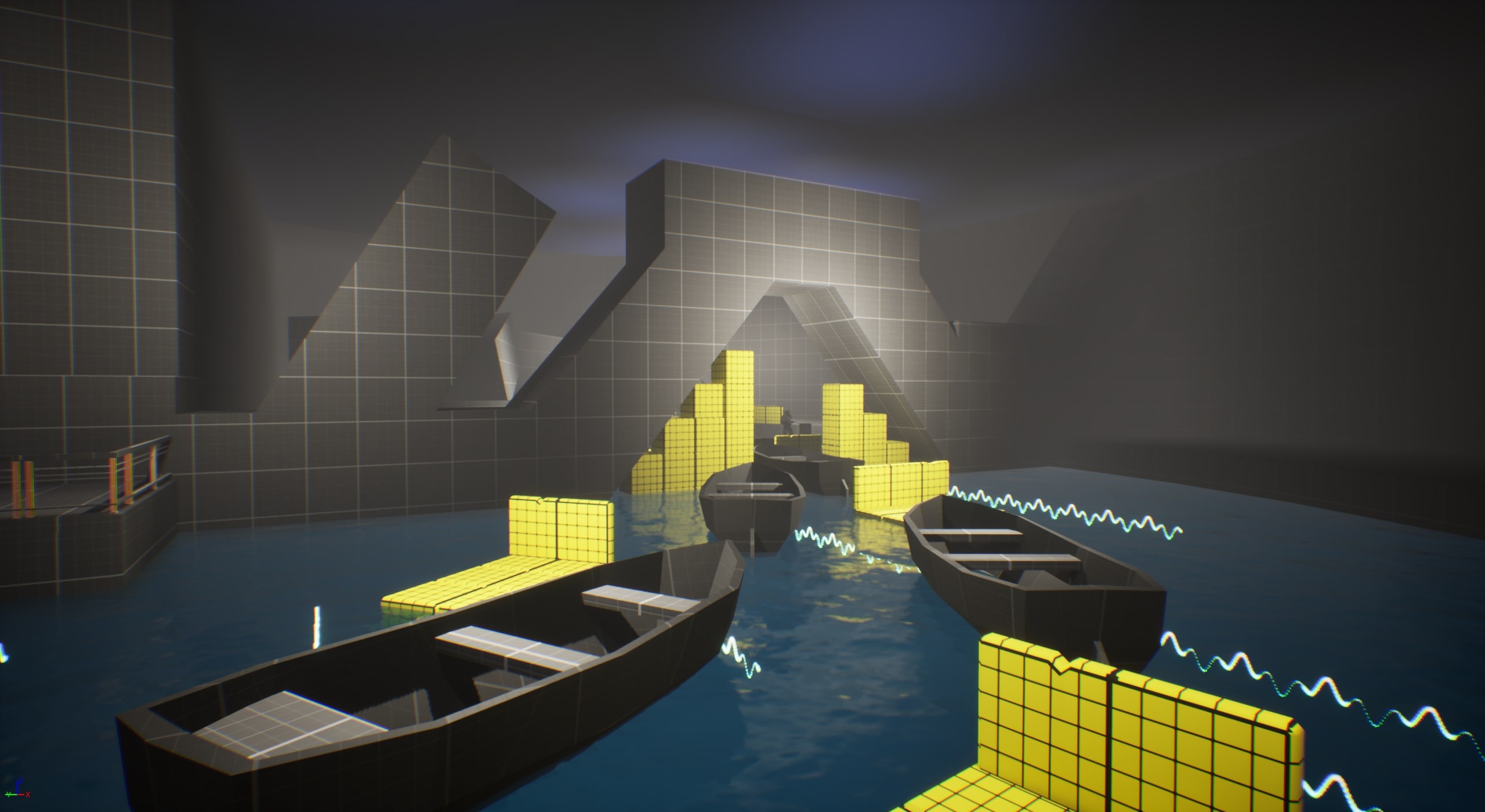
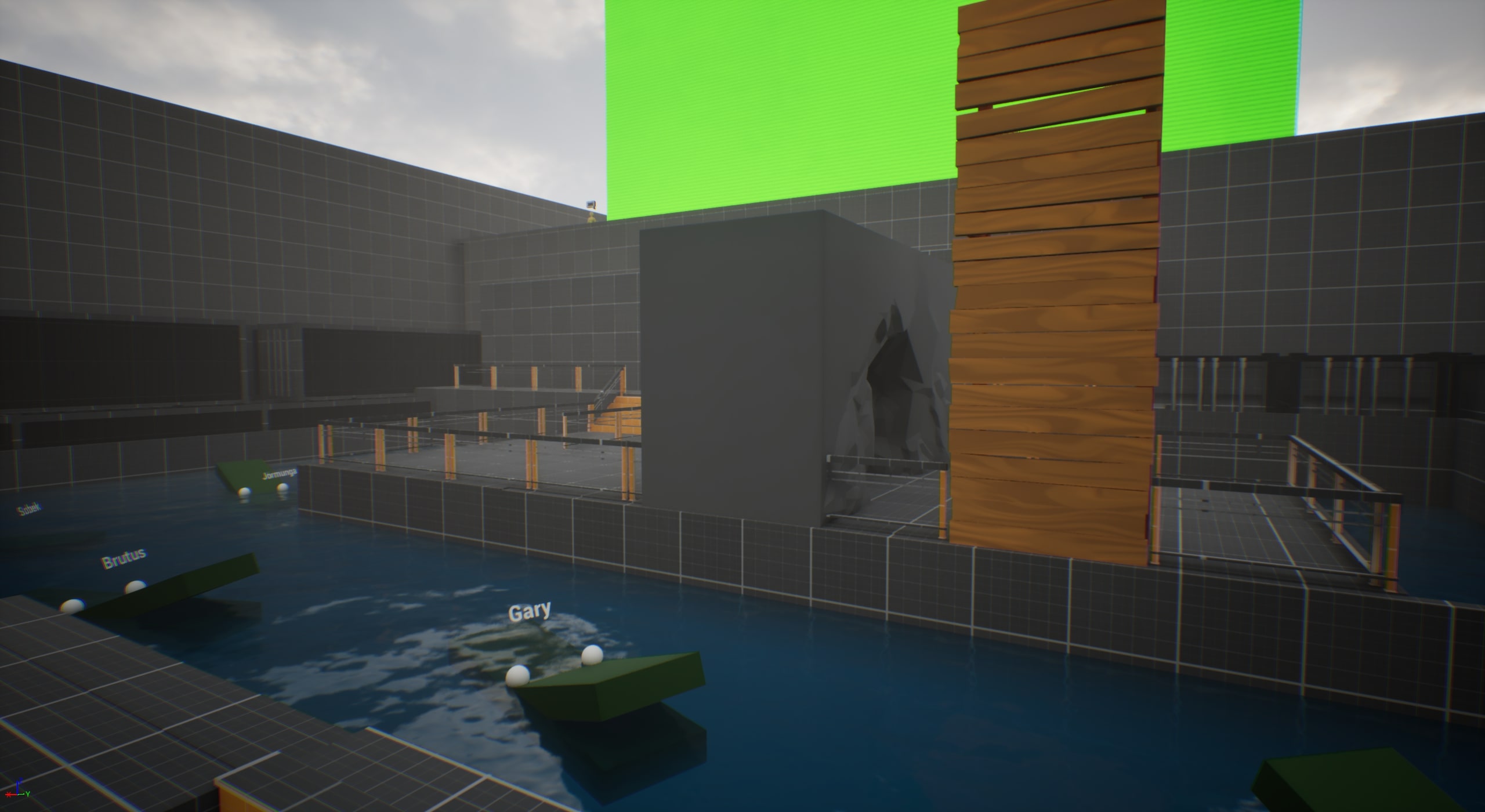
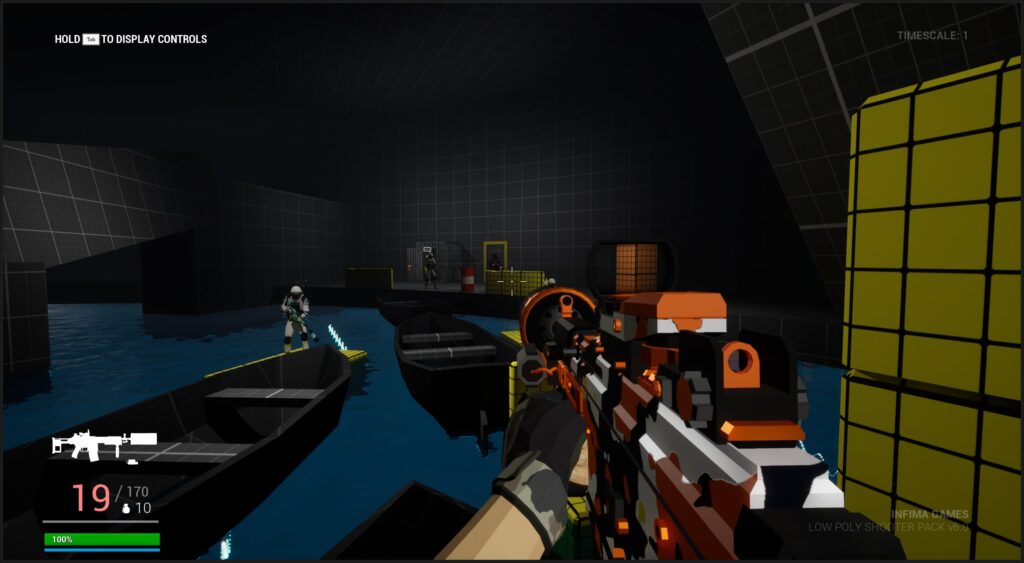
  • Abyss Flow: Boats
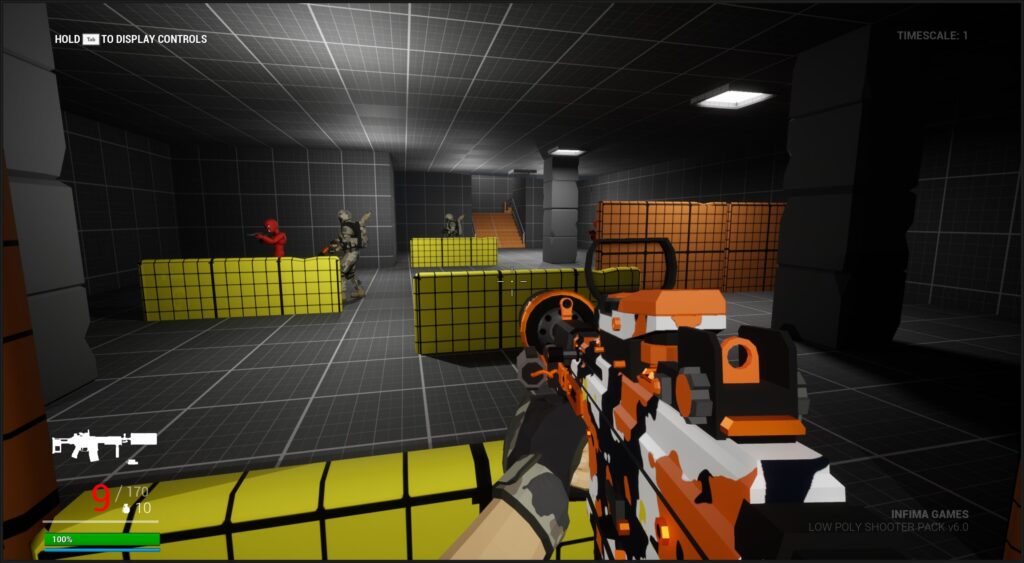
  • The Second enemy Ambush: Enemies at a distance while jumping from boat to boat.

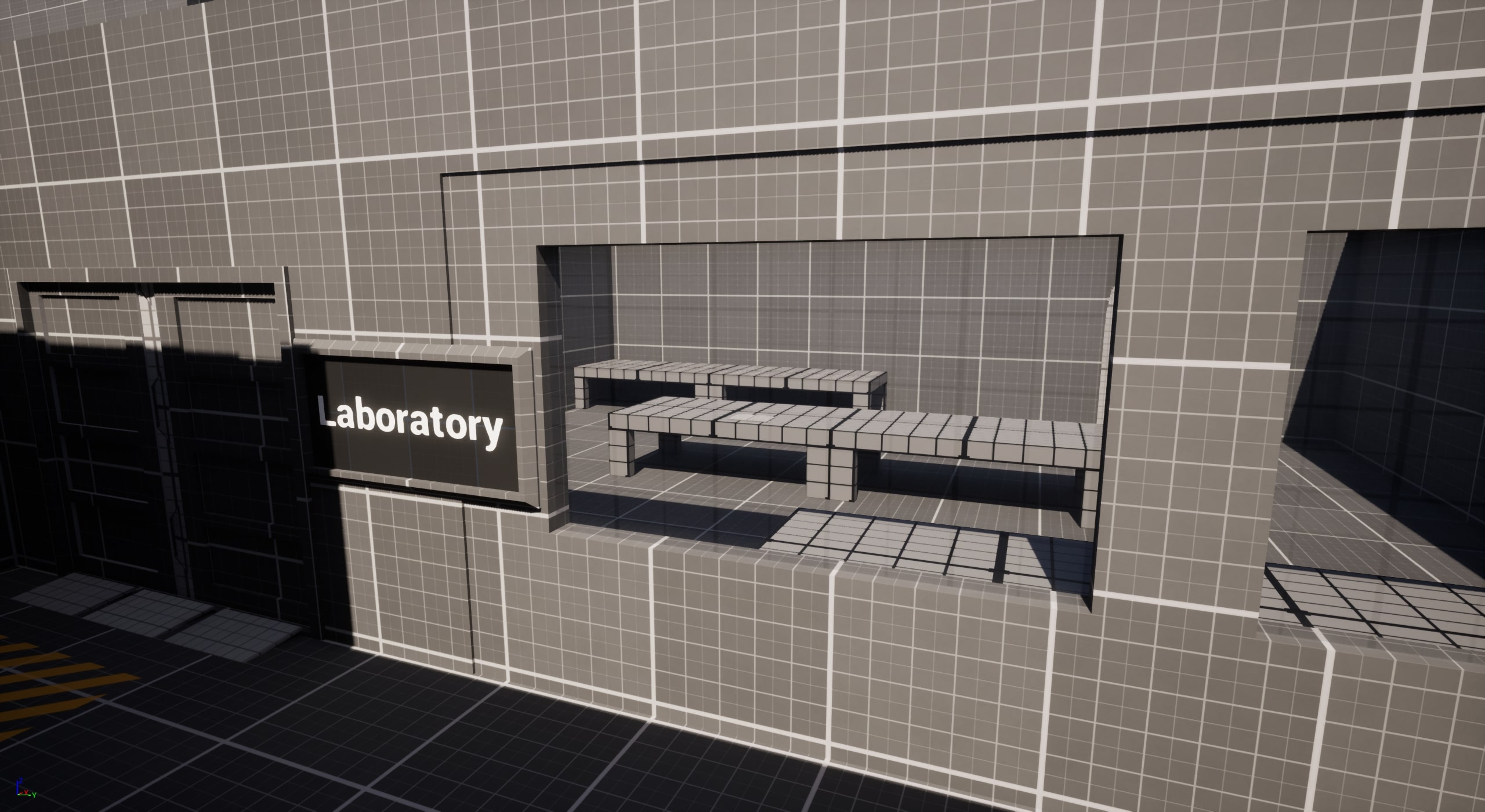
Discovery of the secret laboratory in Neon Mirage

Find the Secret Laboratory.

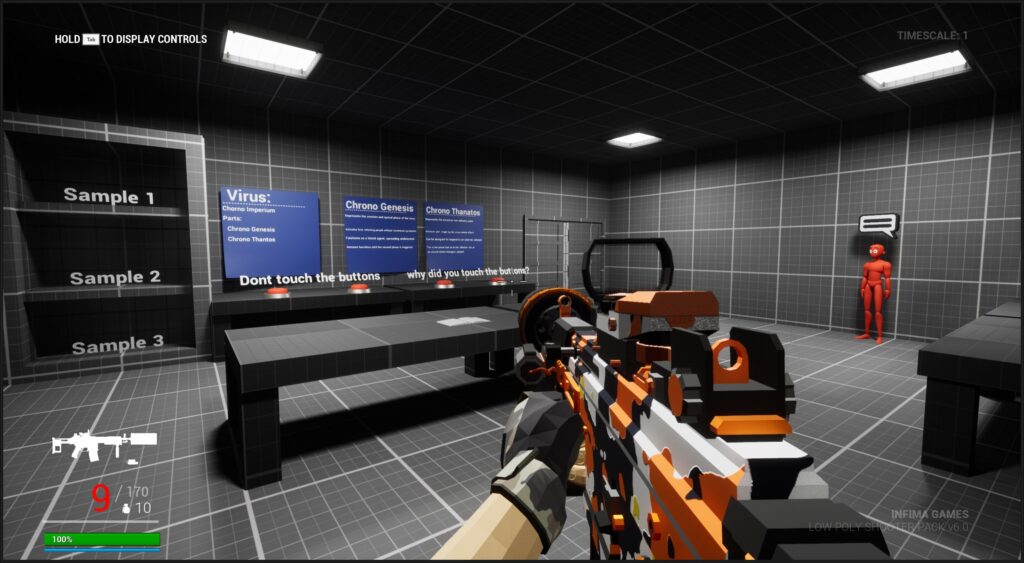
Find the secret laboratory hidden in the “Neon Mirage” attraction.

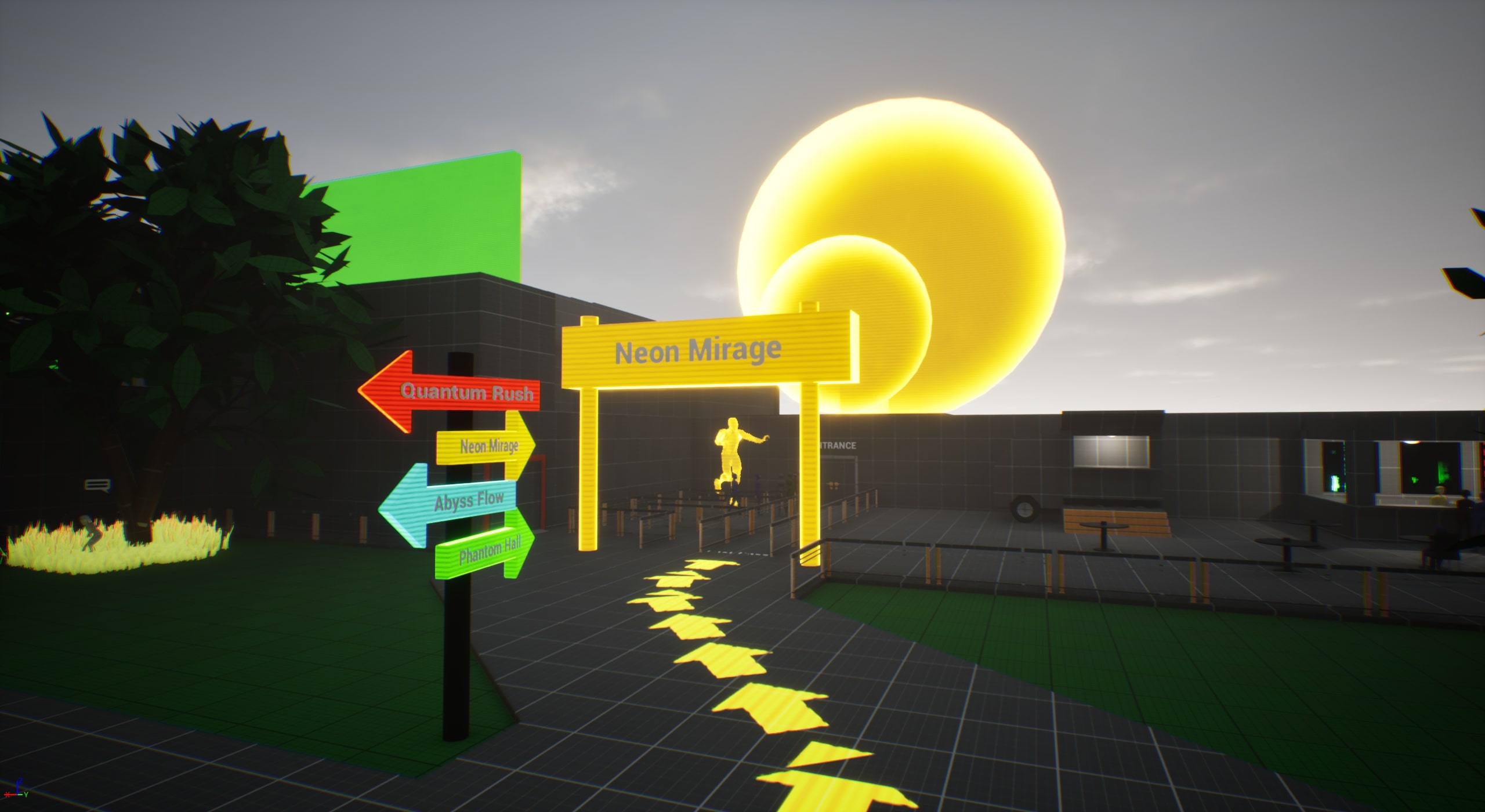
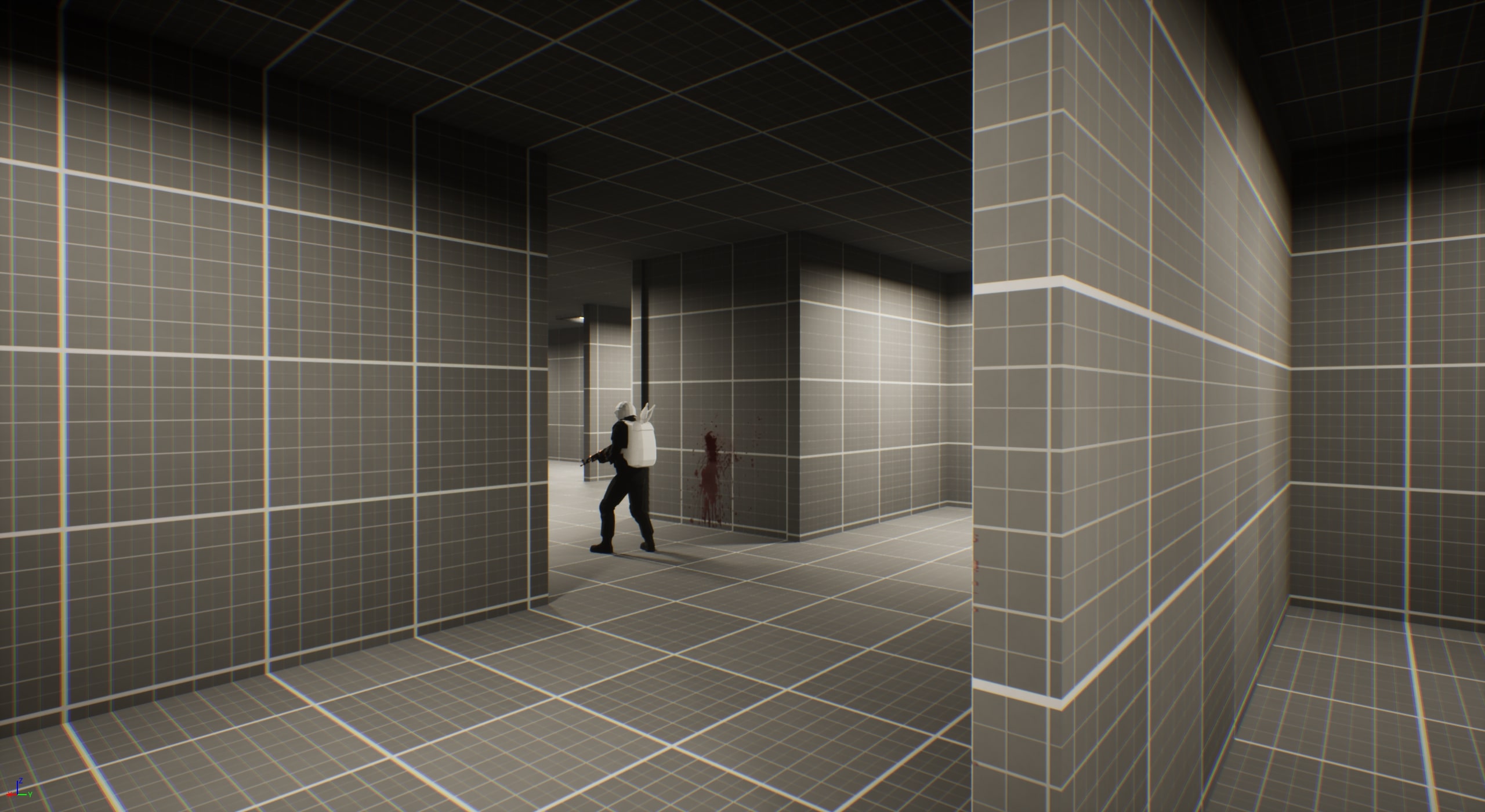
  • Neon Mirage: Maze
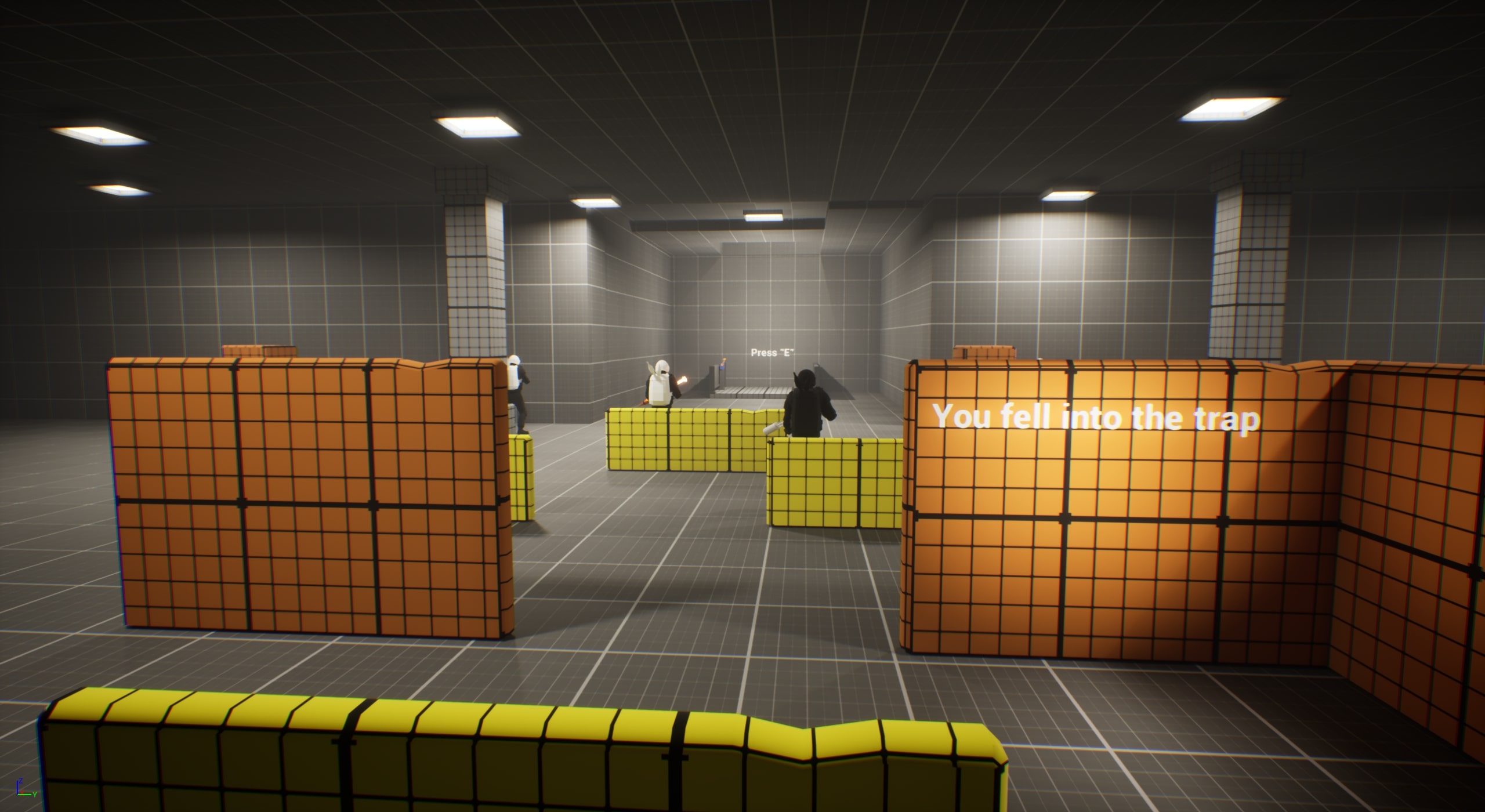
  • The Third enemy Ambush: A couple of enemies hidden in the maze and two trap rooms with more enemies at long range.

Final showdown at Phantom Hall and virus deactivation

Deactivate the Second part of the virus “Chrono Imperium”.

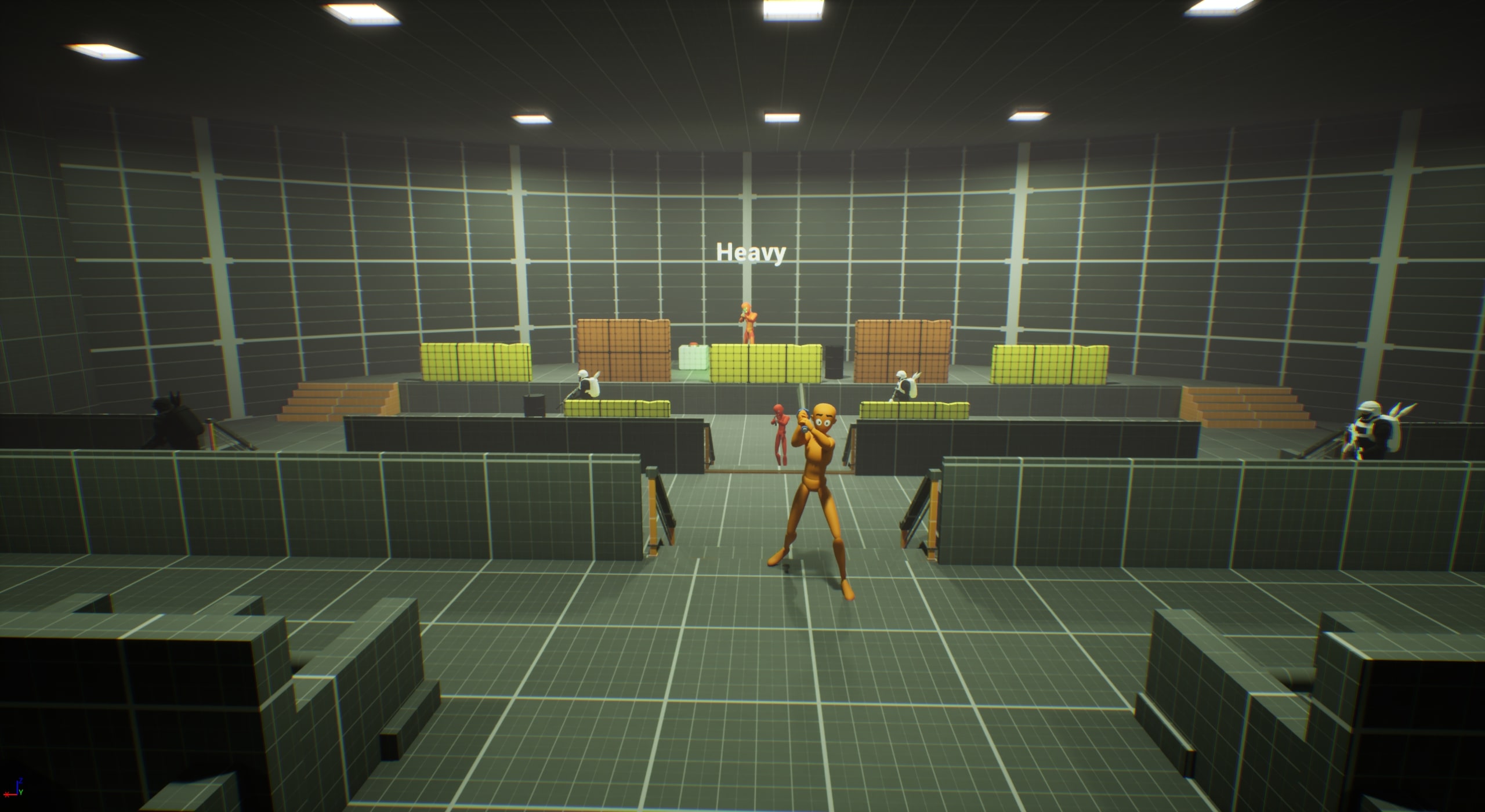
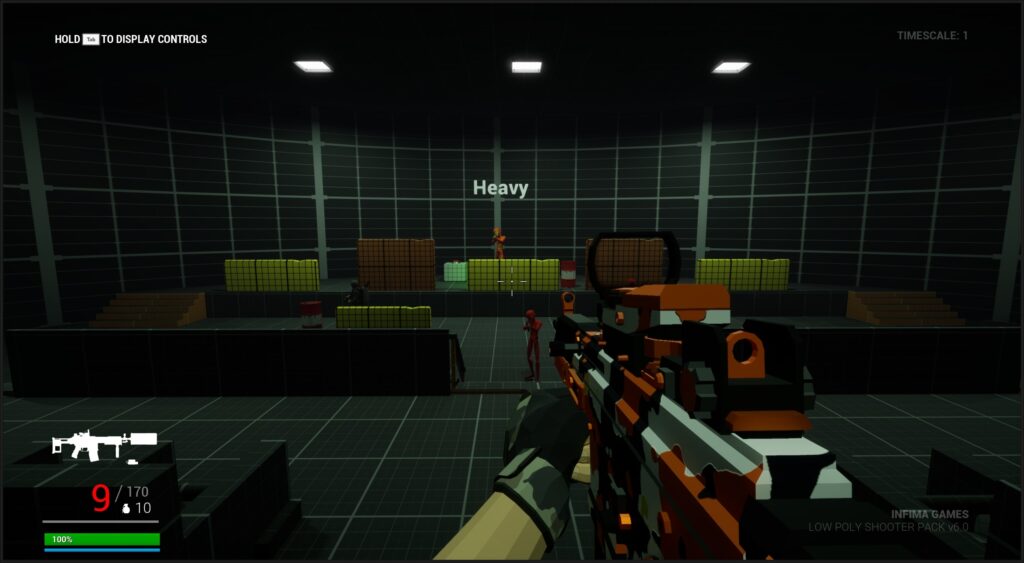
Stop “Heavy”, the final enemy and defuse the second bomb.

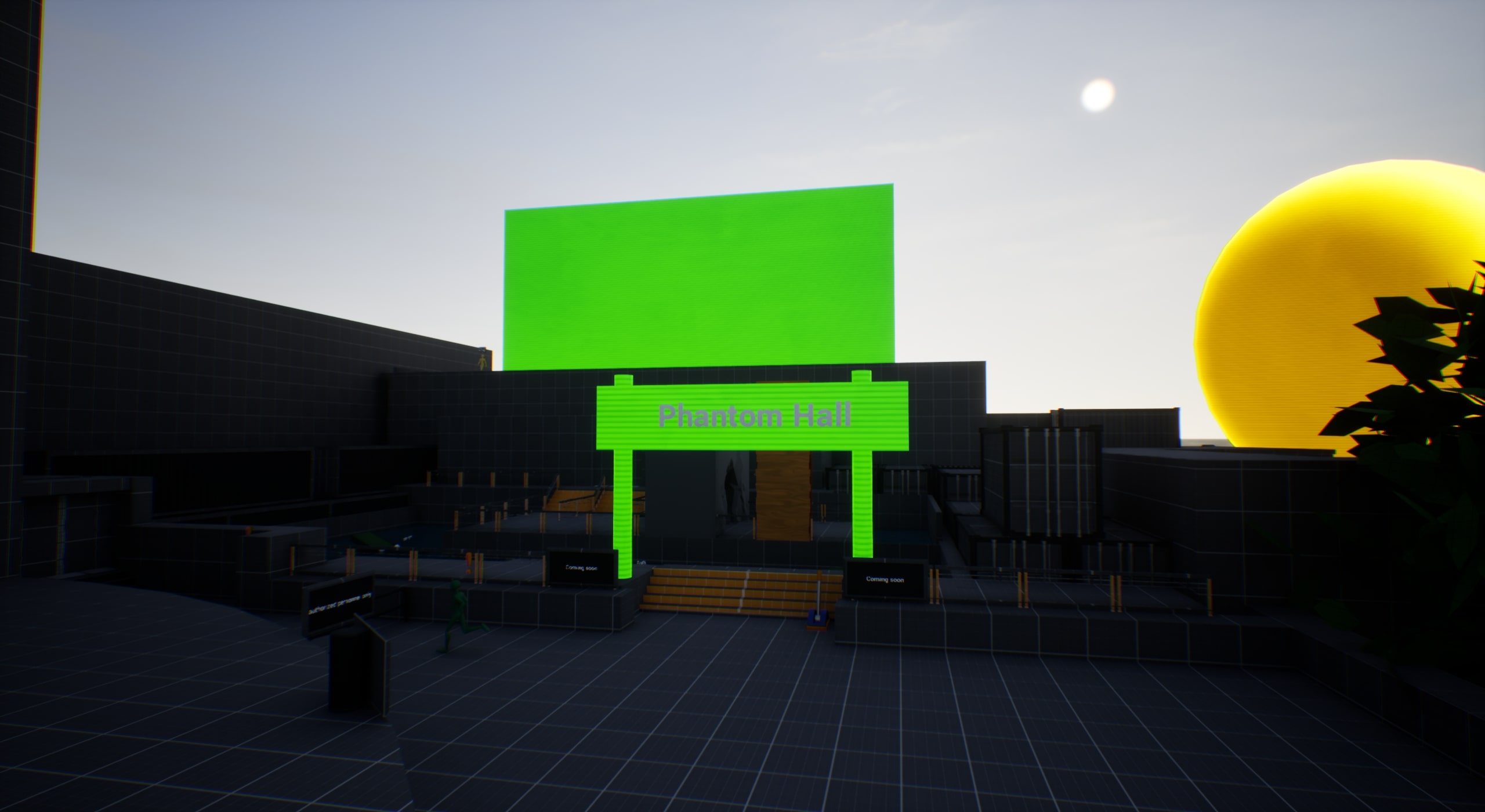
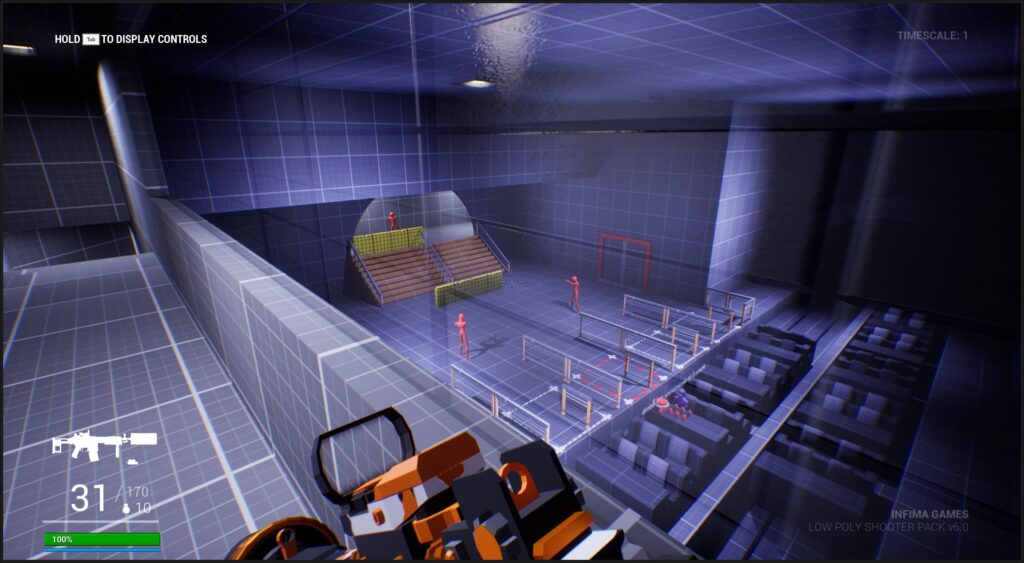
  • Phantom Hall: simulator attraction.
  • The Fifth enemy Ambush: several long-range enemies and the final boss

Techniques

Guided Line of Sight: Environmental Framing

I used controlled sightlines and environmental framing to subtly guide players through the park’s chaotic layout and toward mission-critical areas.

  • Navigation through Design:Lighting, signage, and angled architecture direct player attention naturally without UI.

  • Embedded Objectives: Interactive objects like virus terminals, ammo crates, and side quest props are placed along visual paths to promote exploration.

  • Narrative Flow: Elements like collapsed rides, biohazard lights, and emergency announcements reinforce the story while orienting the player.

Affordance in a Visually Chaotic Park

Used consistent lighting cues, geometry scaling, and spatial spacing to ensure jumps, cover, and interactables feel readable—even in the park’s visual chaos.

  • Affordance: Flashing lights, color-coded paths, and recognizable props signal what’s interactive.
  • Consistency: Repeated platform types and standard jump distances reduce guesswork and increase flow.
  • Cyberpunk Logic: The park feels unstable and dangerous, but behind the chaos are clear, learnable rules that support player decision-making.
  •  

Progress

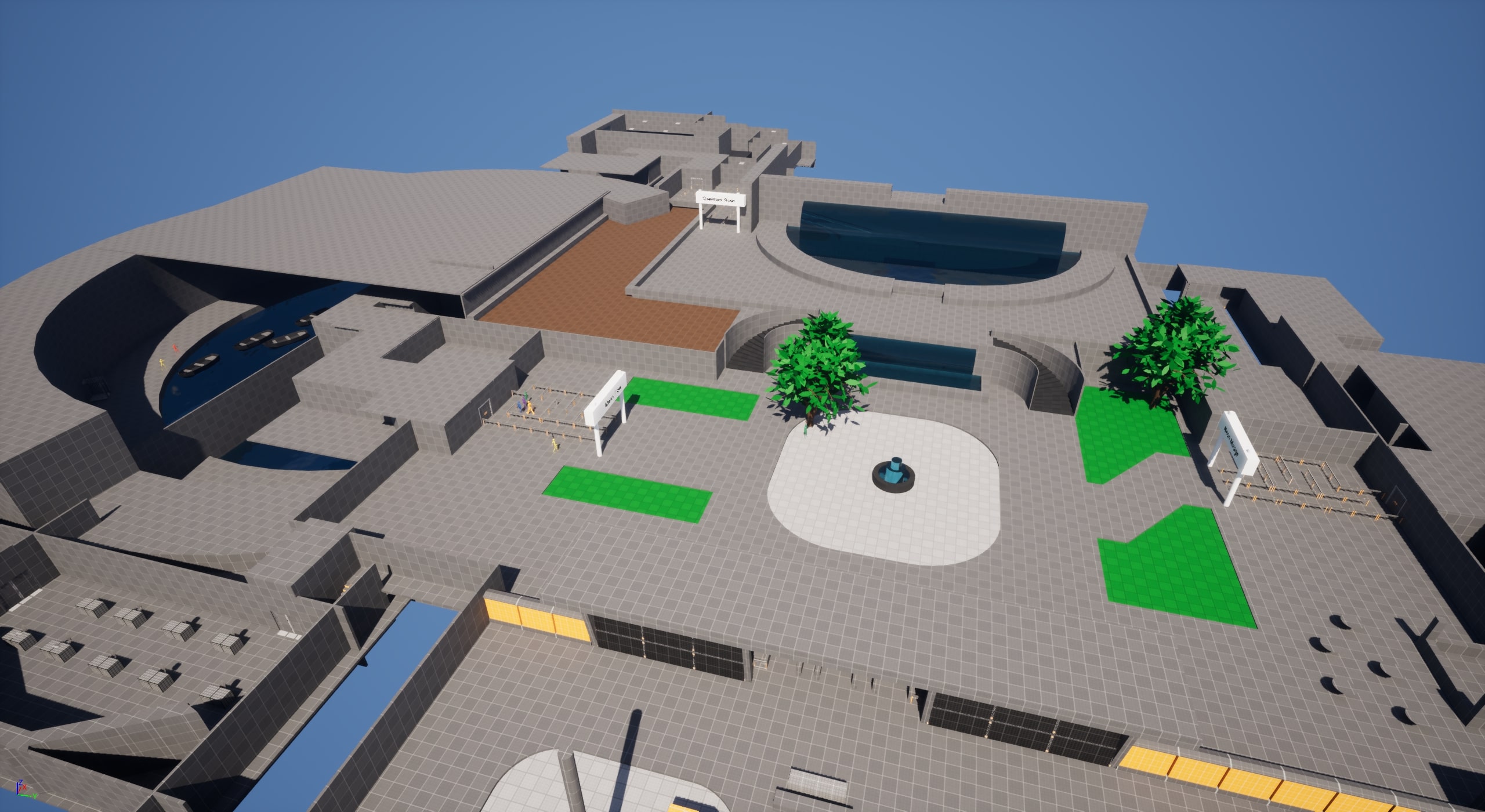
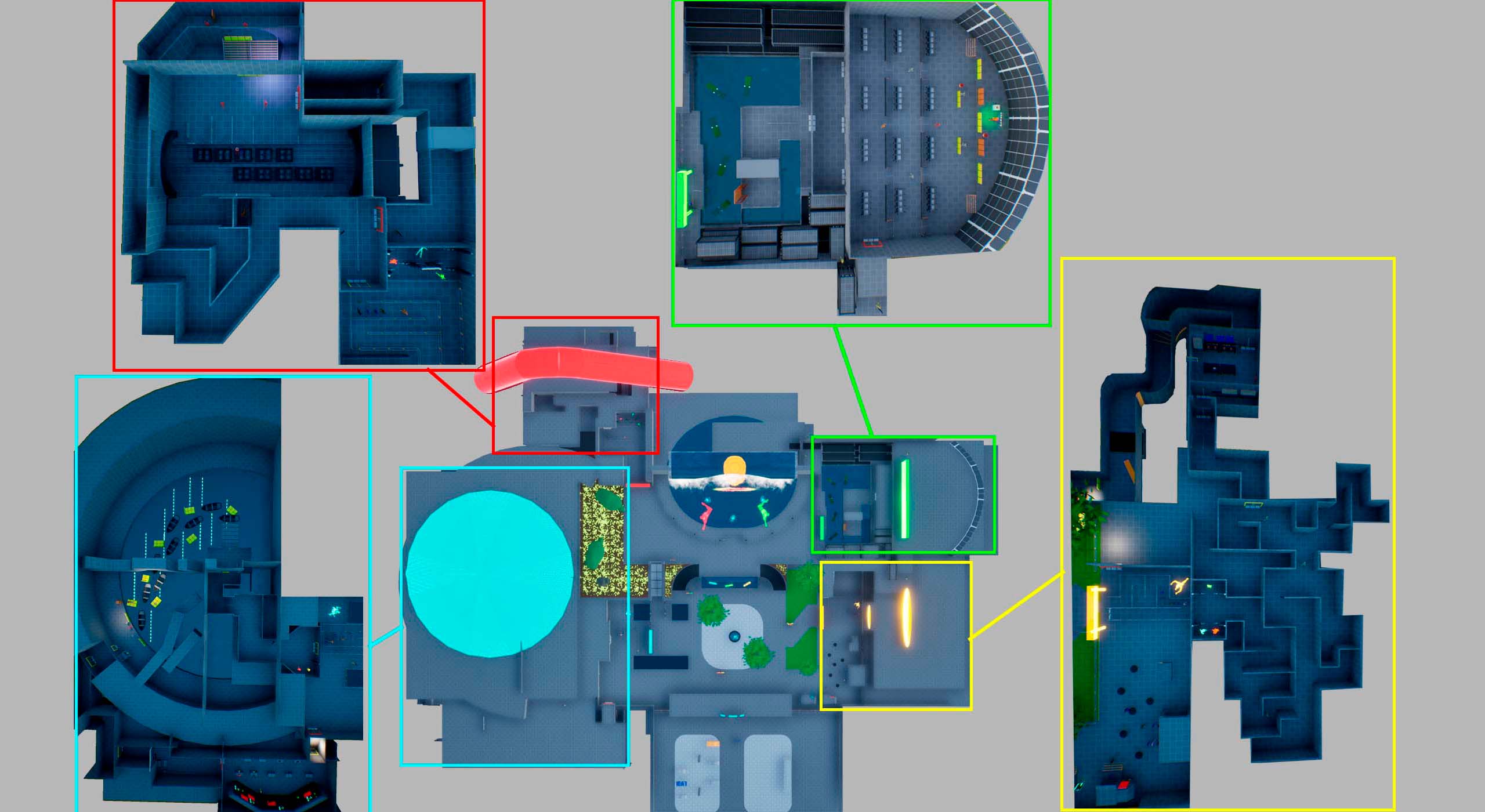
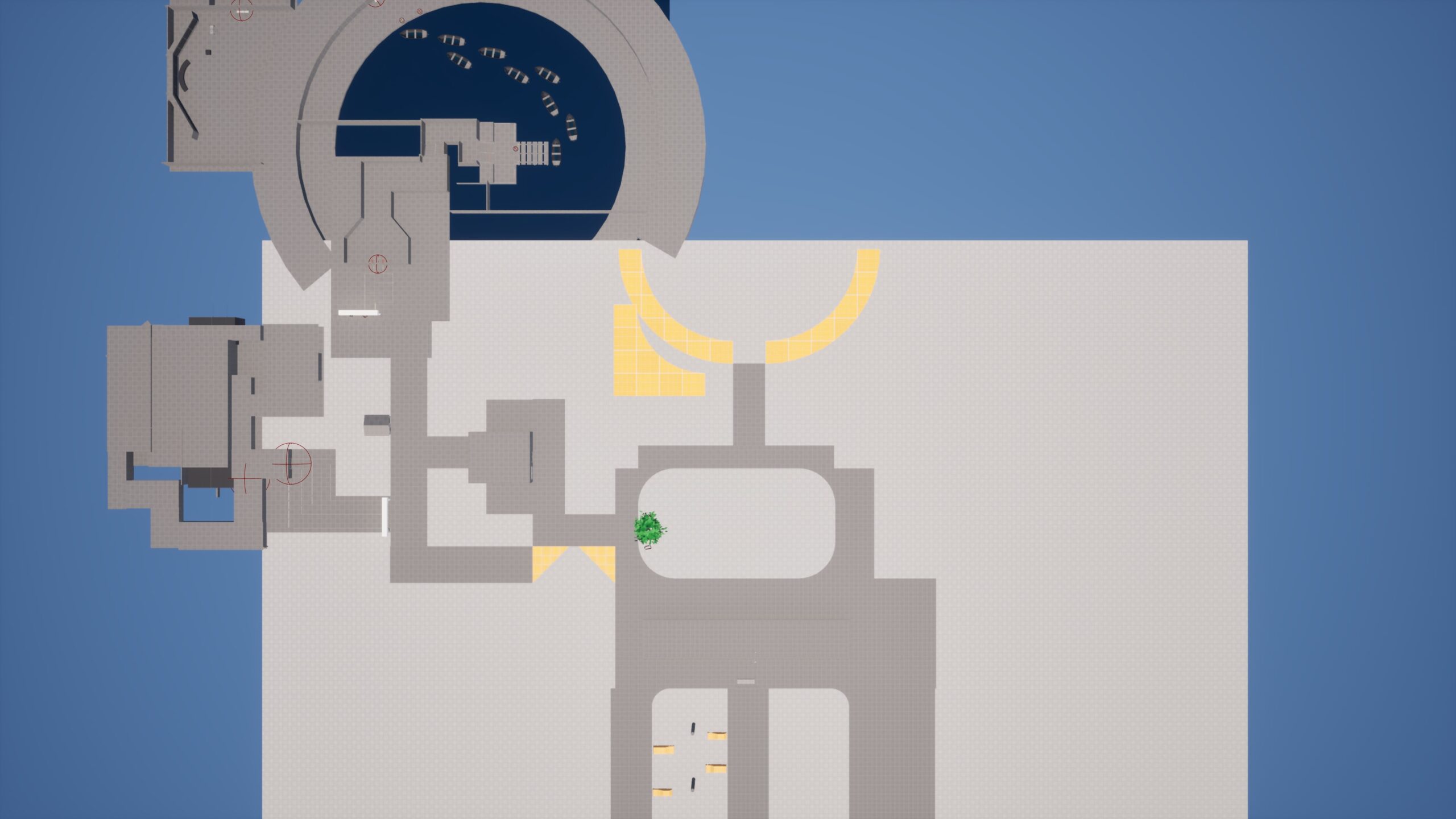
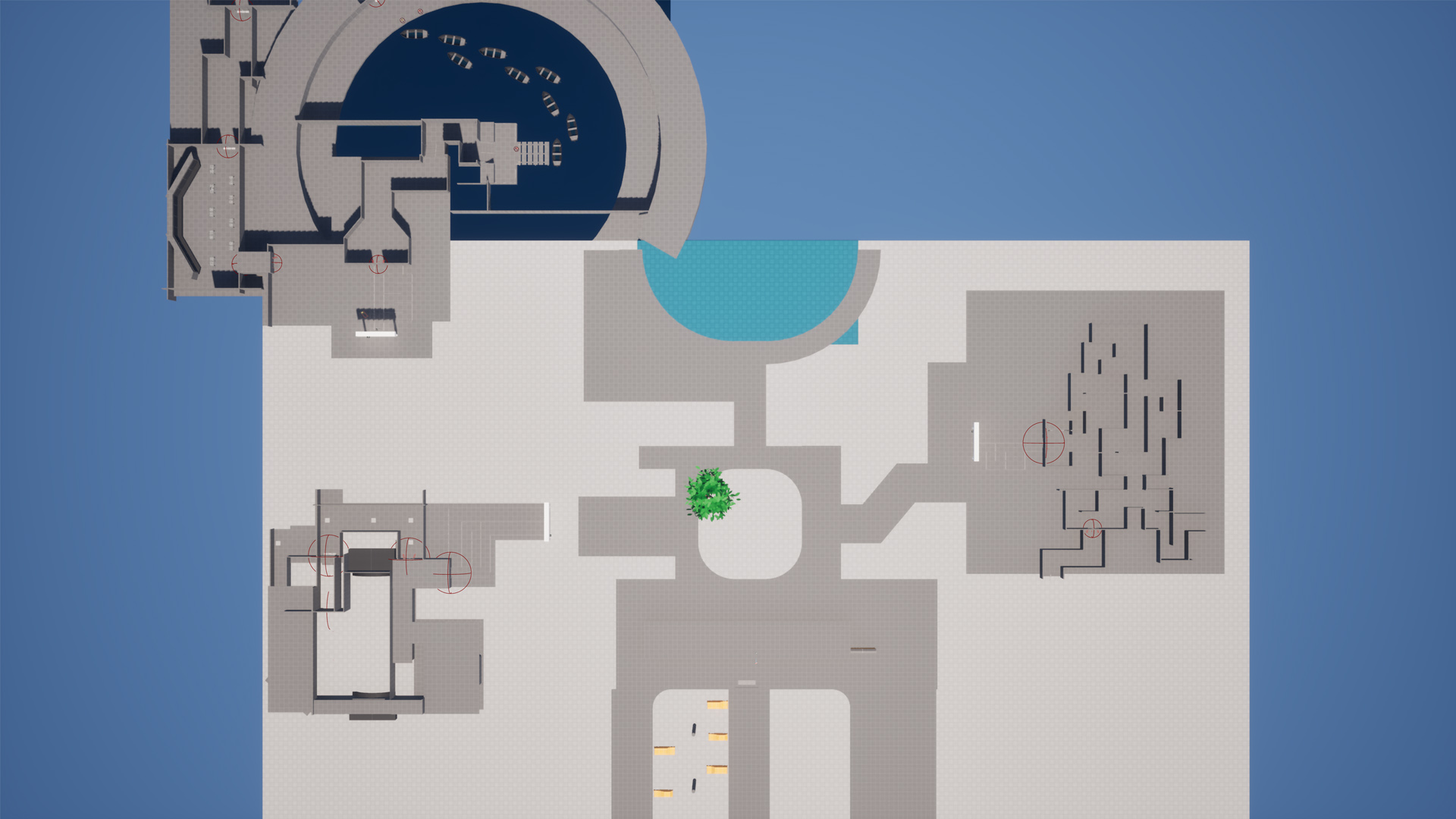
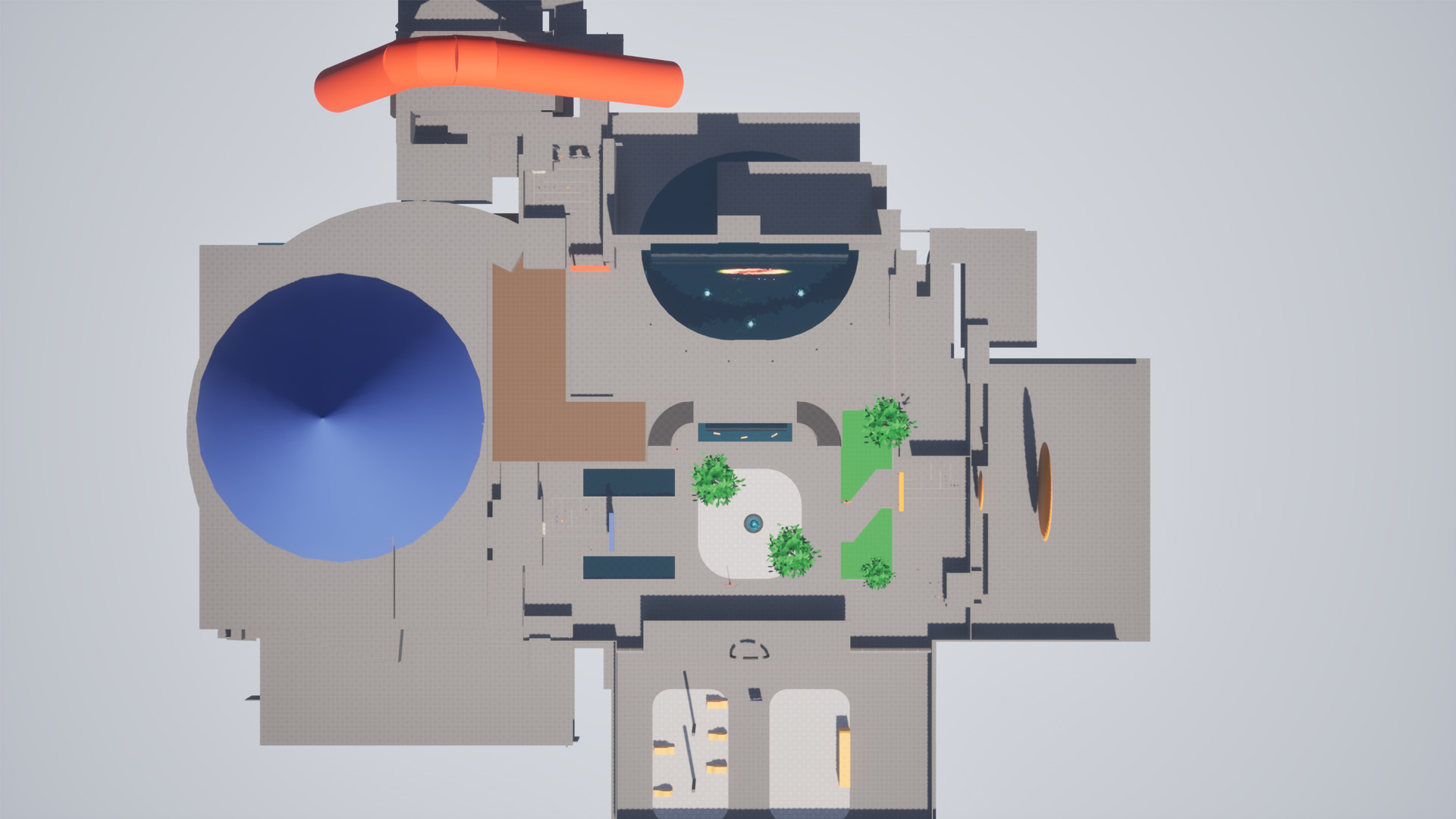
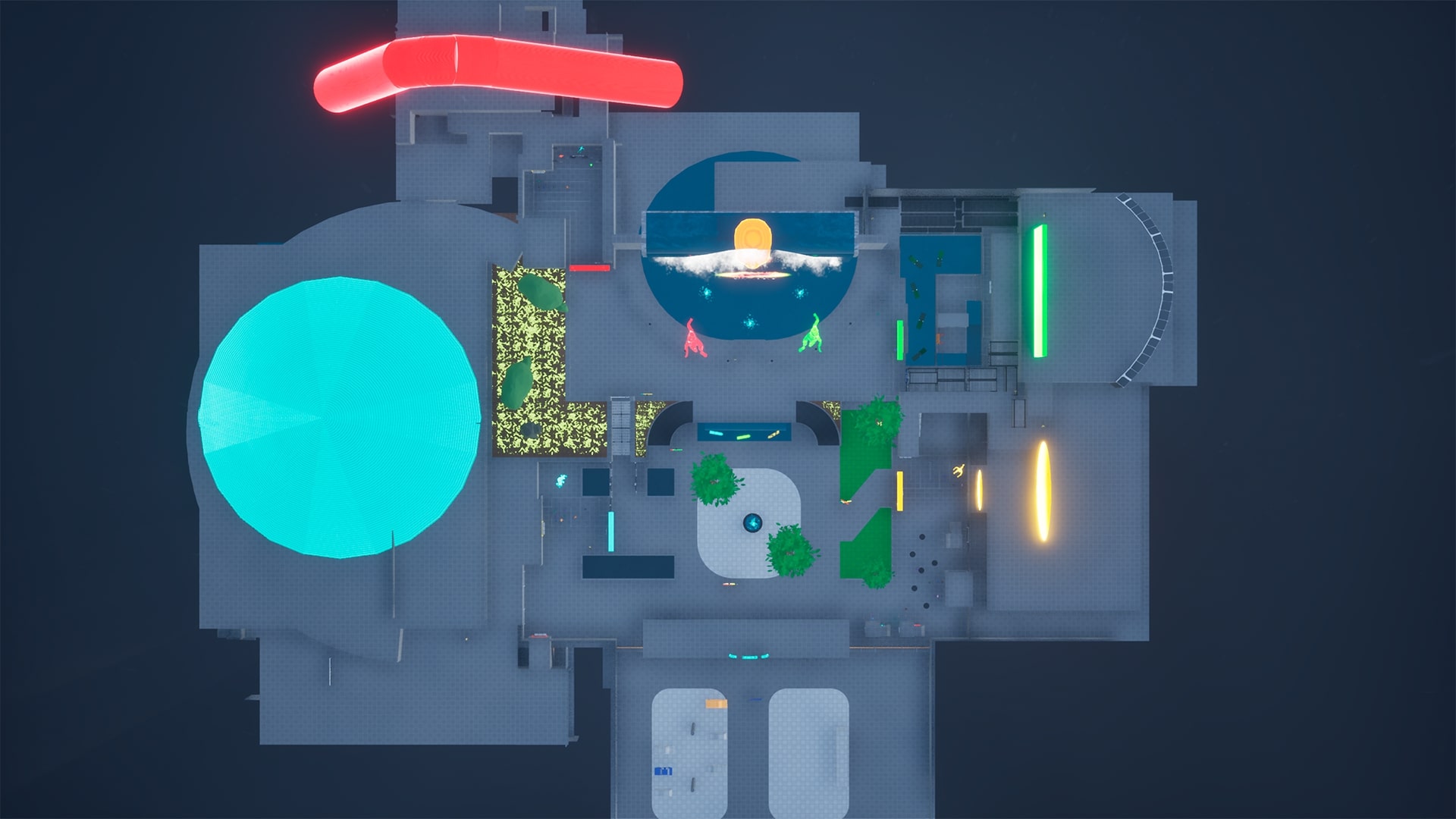
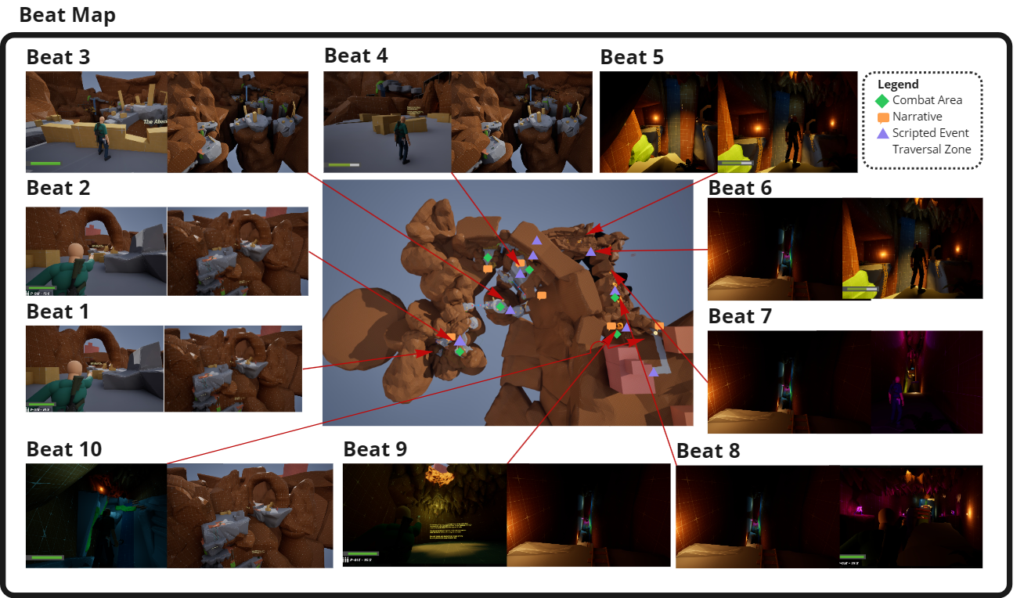
Top View

Climbing the Mesa

Traversal & Narrative Area

Ambush Zone

First Combat Area

Abandoned Mine Entrance

Traversal and Combat Area

Walkthrough

Vortex World, a high-tech amusement park known for its neon glow and immersive attractions, has been secretly taken over by a neo-Nazi extremist cell. While parts of the park still operate, a deadly plan is unfolding behind the scenes.

Their goal: to turn the park into ground zero for a global biological catastrophe.

Walkthrough Guide

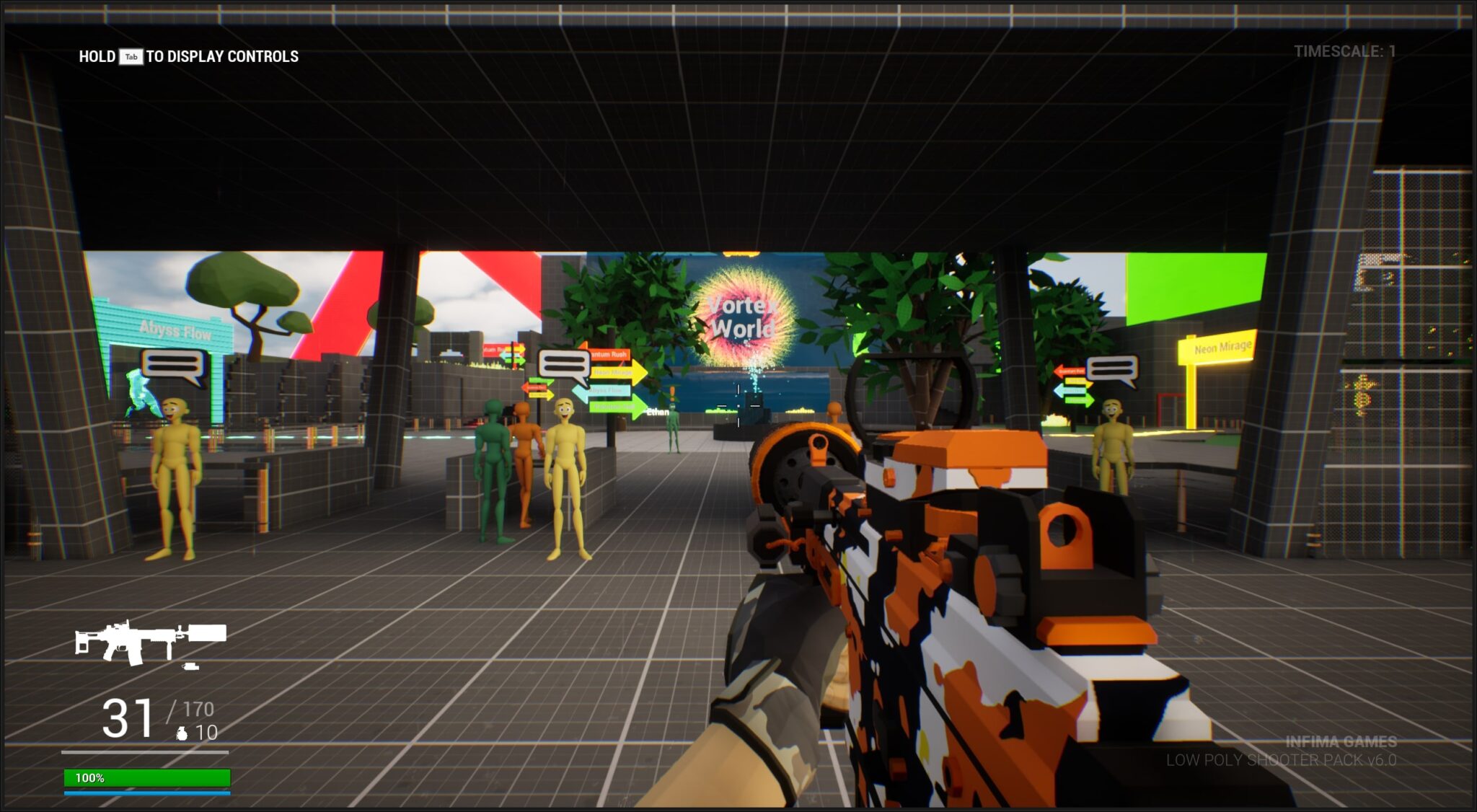
The player will enter the amusement park, contact Ethan, who will give him instructions on where the first enemies are located.

The first virus part is about to be released in “Quantum Rush”, the player will have to eliminate the enemies and defuse the bomb.

To access the control room you have to rescue the engineer who has the master key, the player will have to jump across the boats, avoiding the electrified water to defeat the enemies.

(Format 2)

Narrative elements

  • The Bounty Hunter’s First Interaction
  • Collapsed Storehouse
  • First Boss Encounter and their retreat into the mine
  • Trapped in the Mine
  • Ghostly Apparition
  • Underground Enemy Ambush and Second Boss Interaction
  • Ambushed by the Bounty Hunter in the mirrored lake
  • Confront and duel the Bounty Hunter

Traversal Zones

  • Mesa Outskirts
  • Dilapidated Mine Entrance
  • Mine Caverns
  • Stalagmite Caverns
  • Underground Waterfall Cavern
  • Mirrored Lake Cavern 
  • Devil’s Mouth

Combat Areas

  • Top of the Mesa – First Enemy Ambush
  • Collapsed Mine Entrance- First Traversal and Combat Area
  • Storehouse – Second Enemy Ambush
  • Entrance to the Haunted Mine – First Boss Encounter
  • Underground Waterfall Cavern – Third Enemy Ambush
  • Mirrored Lake Cavern  – Second Boss Encounter Area

Events

  • Bounty Hunter Taunt and First Combat Summoned
  • Slowdown Camera Jump
  • Collapsing Scaffolding Event
  • Bounty Hunter Second Taunt
  • First Boss Encounter and their retreat into the mine
  • Collapsing Mine Events
  • Ghostly Apparition Sequence
  • Underground Cavern Enemy Ambush
  • Second Boss Encounter
  • Mayor’s Manor Timed Event: Cowboy Standoff

Walkthrough

Skip to ↓
9 Videos
Beat Overview

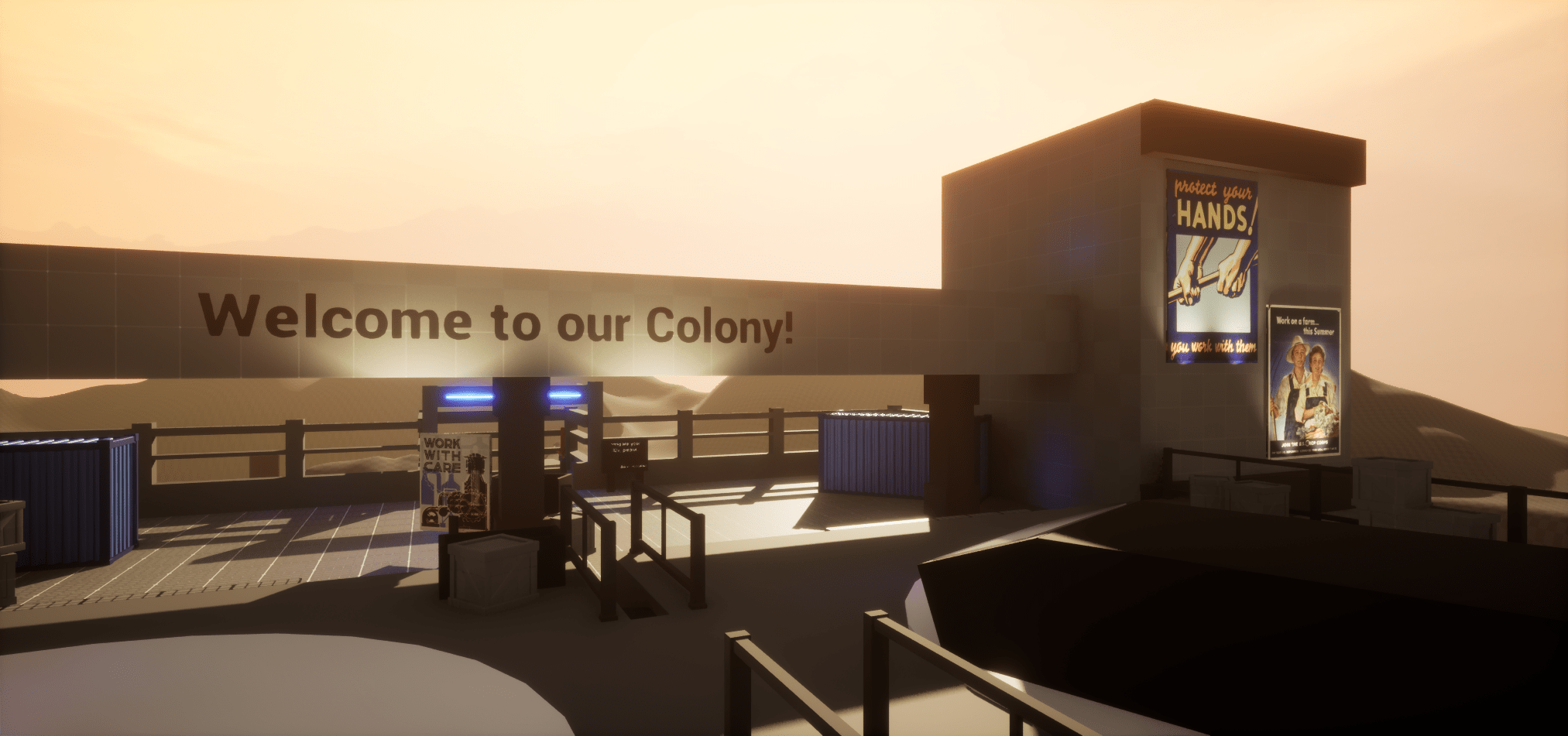
Beat 1: Spaceport

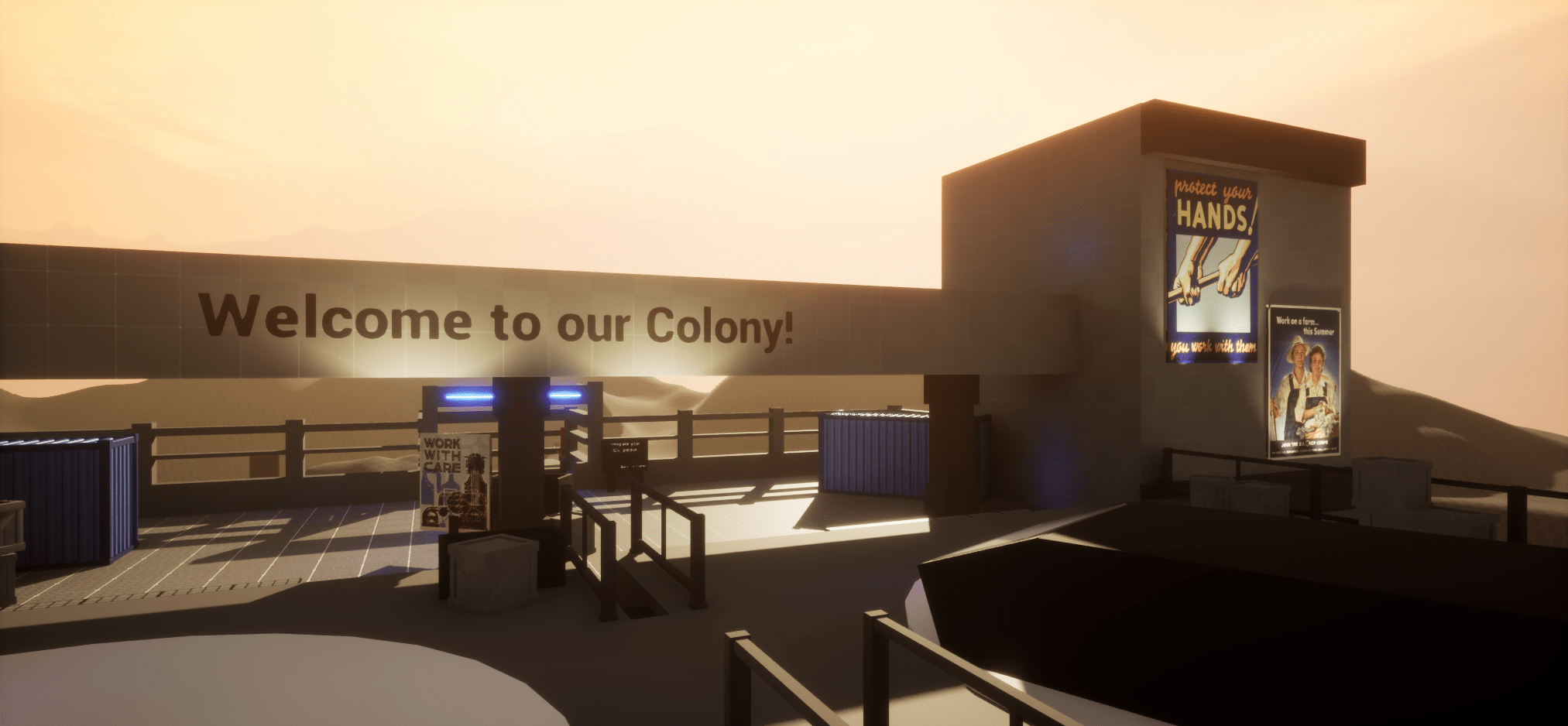
The colony on remote planet X has gone silent. A detective arrives to investigate – but even from above, something feels… too quiet.

Top down view of the beats

Walkthrough Guide
(Format 1)
1. Spaceport
  • Arrival at the colony – no ships in sight. Colonists left in a hurry? 

  • A calm start: explore the empty landing zone and scan the horizon.

  • Posters promoting agriculture hint at a well-functioning colony.

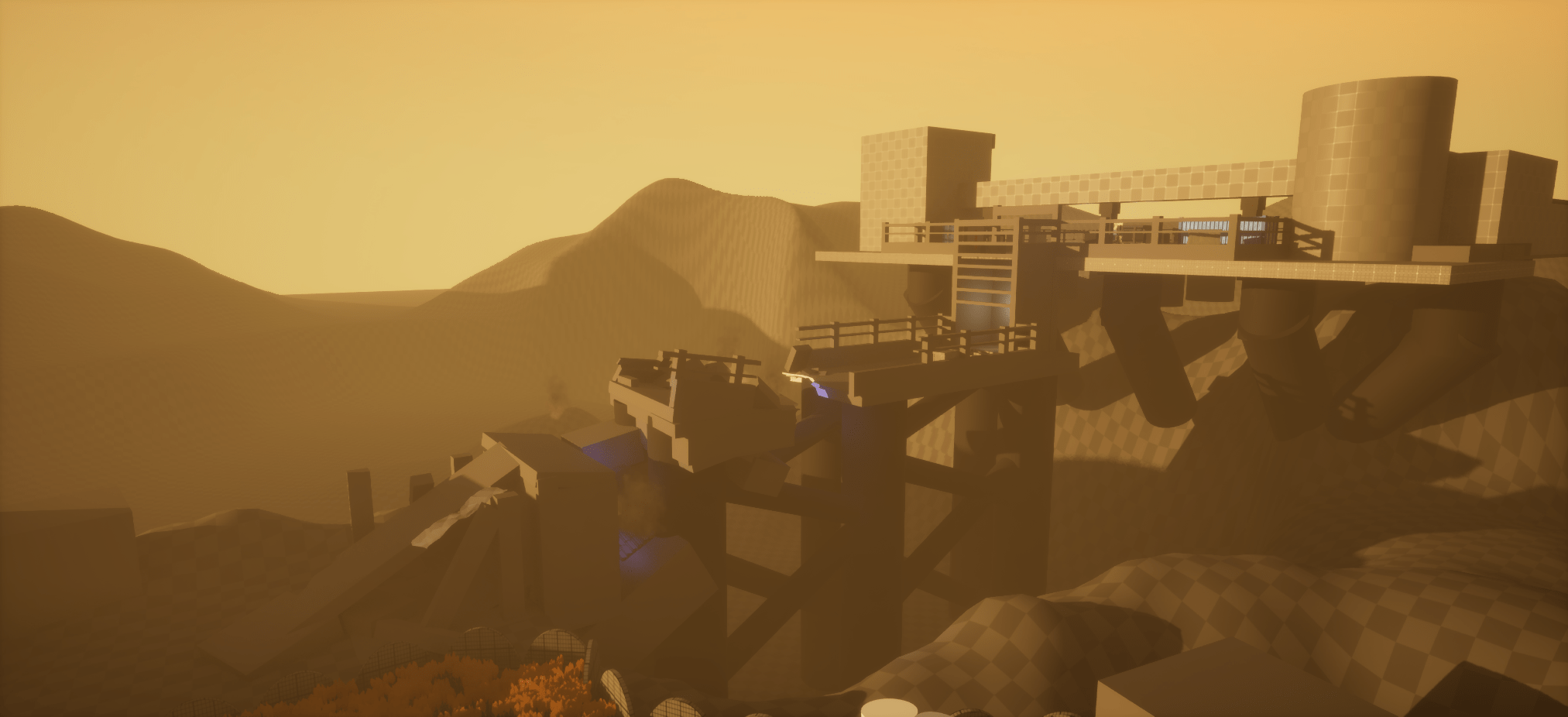
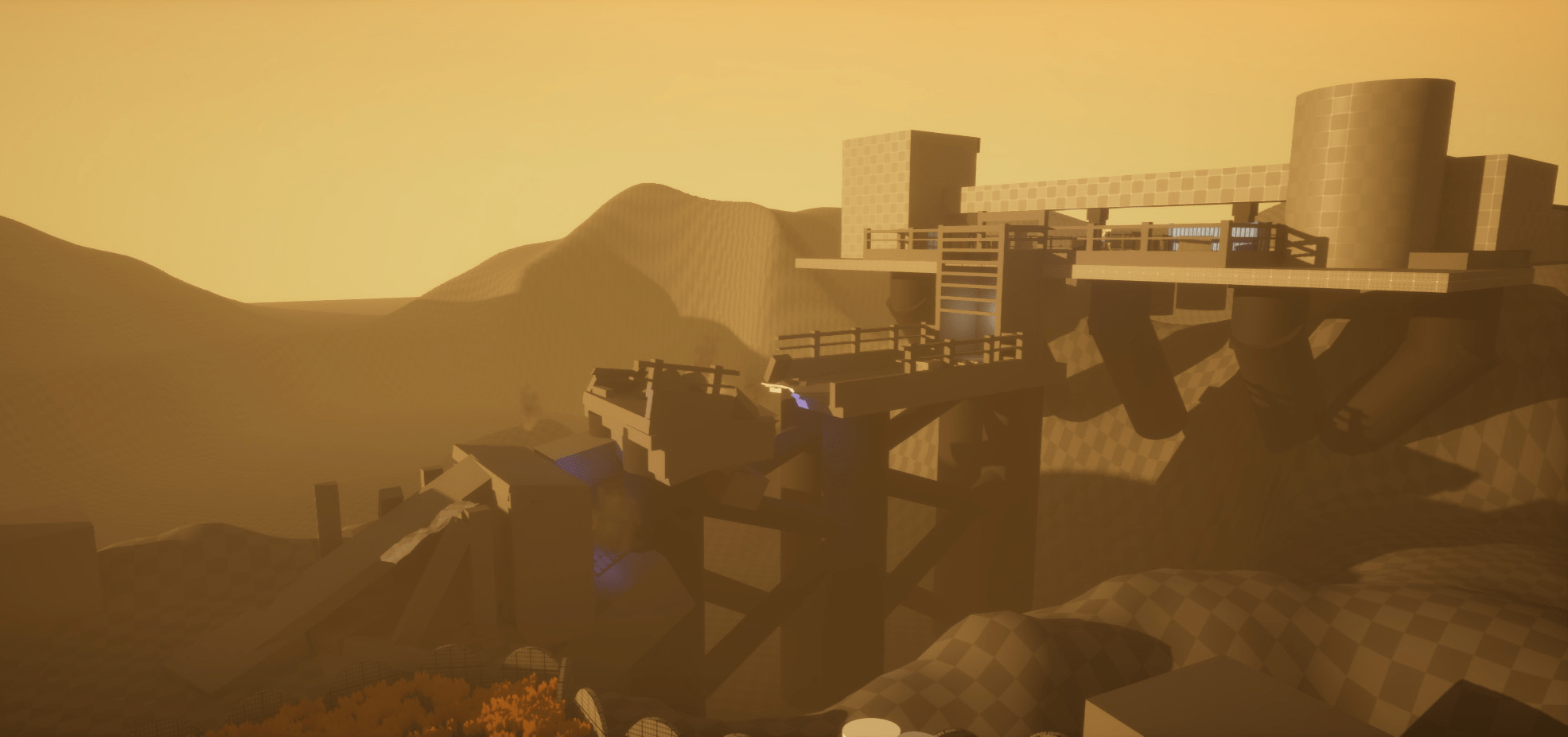
2. Ruined bridge
  • The elevator ride offers a panoramic view of the colony.
  • A sudden shift in tone: the player must leap across broken bridge.
  • Scattered comm towers hint at a hasty escape – did fleeing ships knock them down?
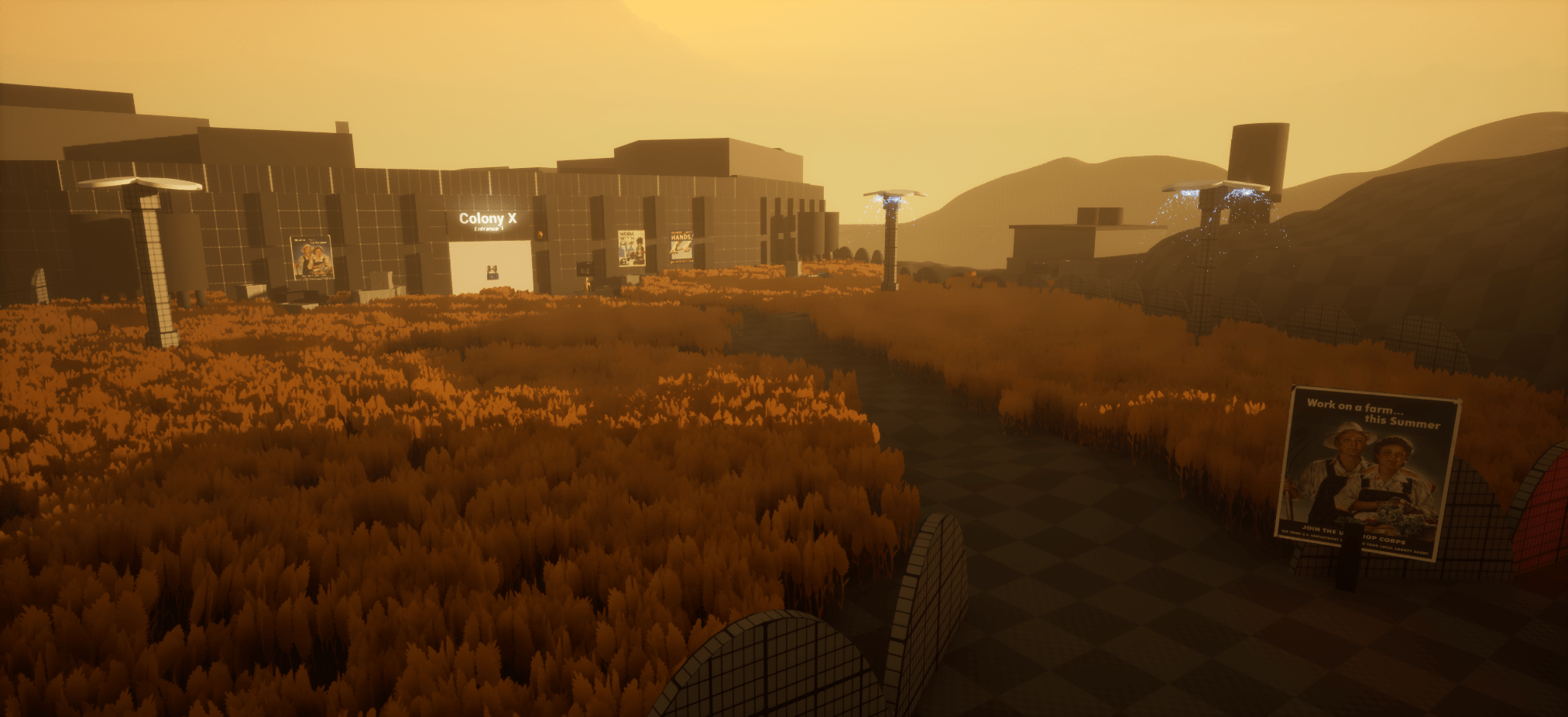
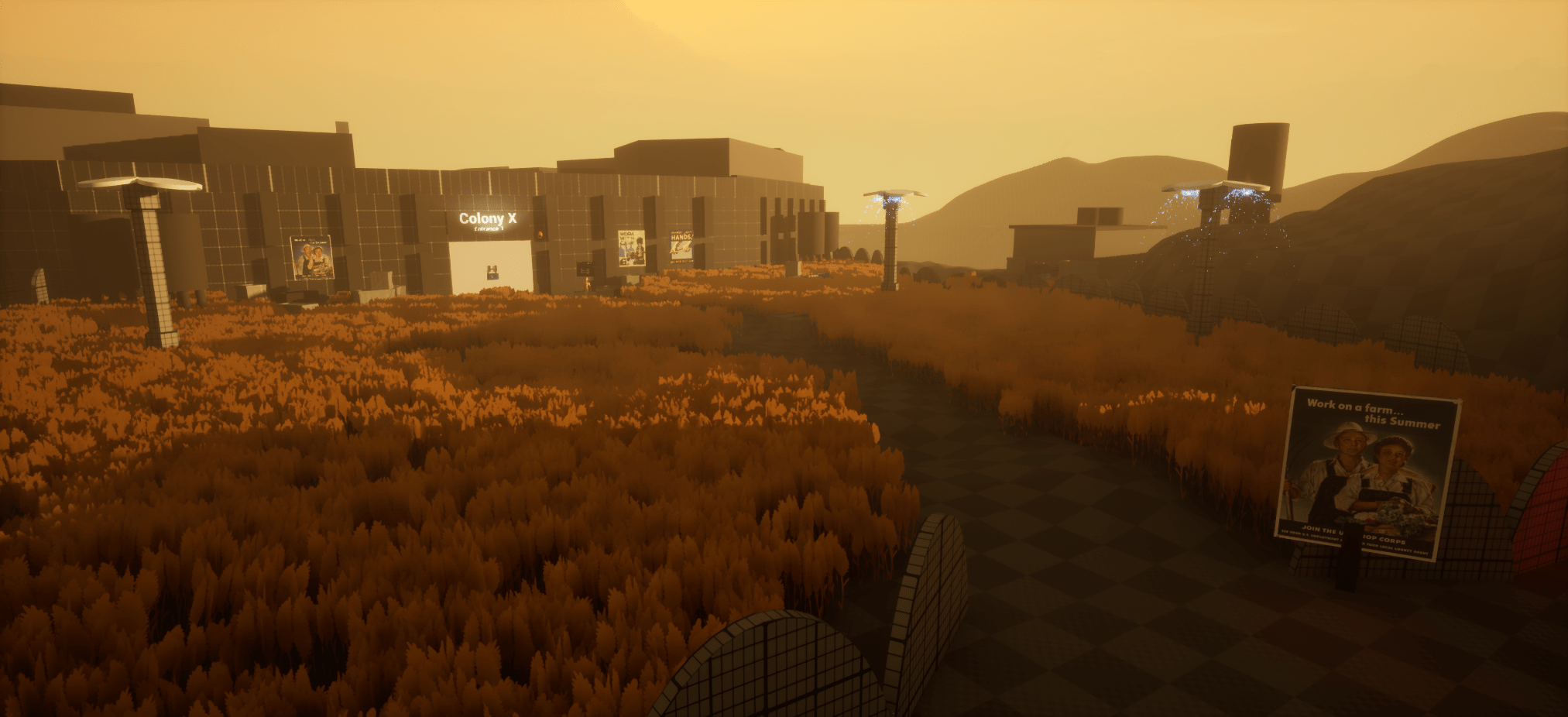
3. Wheat fields
  • The player feels calm and safe as they walk through the peaceful fields.

  • Suddenly, a body lies in the wheat: the illusion shatters.

  • At the colony gate, an old guard speaks of a virus, lockdown, and lost control – the player must find a backup battery to proceed.

4. Colony entrance
  • The gate opens with a backup battery – but the guard refuses to follow: “It’s not safe inside.”
  • Right past the entrance, the mood shifts – dim light, looming buildings, dead bodies.
  • A seemingly deranged colonist attacks – the first combat encounter breaks the calm and raises more questions.
  •  
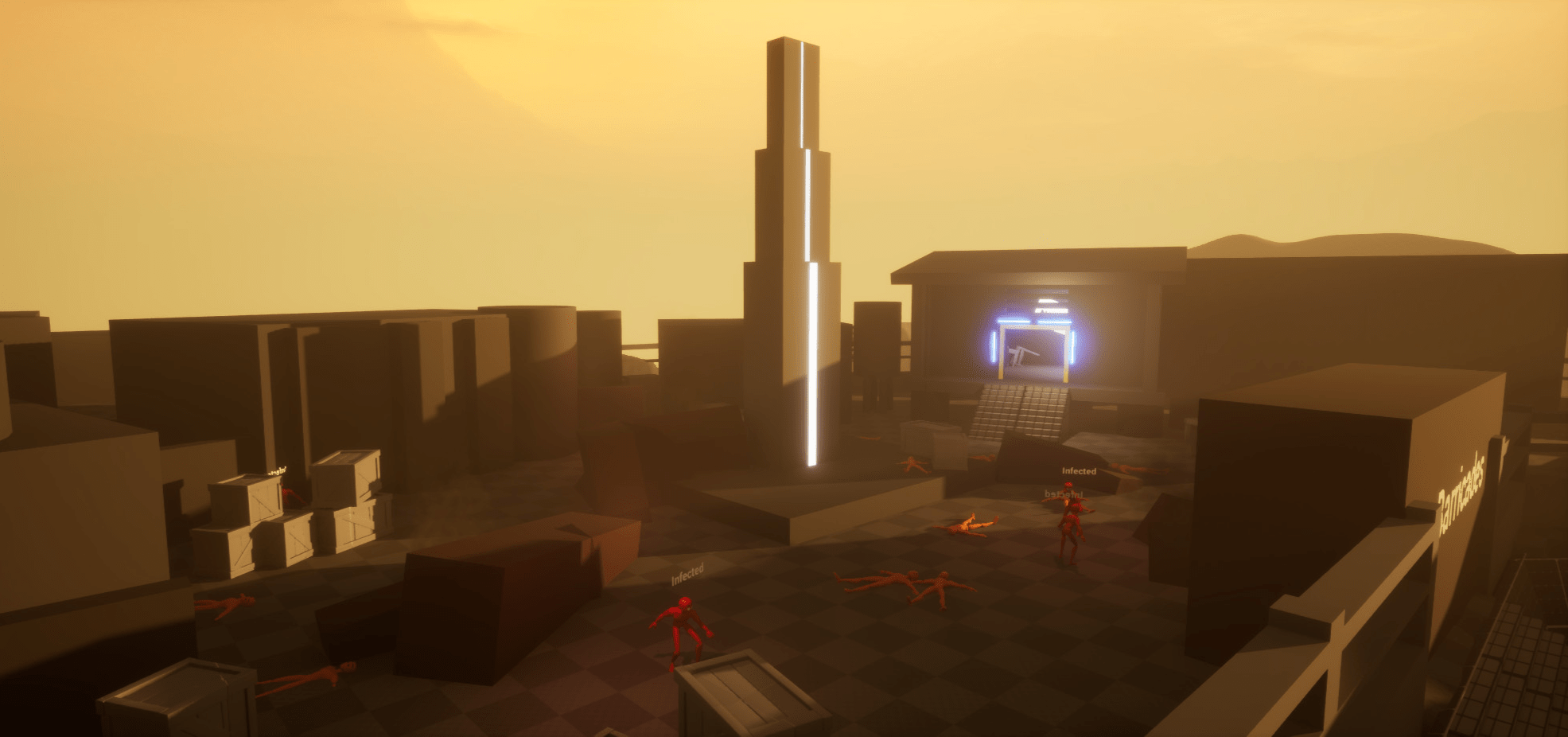
5. Main square
  • The main square shows signs of recent conflict. Infected wander among the remains.

  • The player chooses how to approach: sneak around, use verticality, or fight head-on.

  • A brightly lit bar catches the detective’s eye – maybe someone is still alive inside.

6. Bar
  • The detective enters the only lit building – a wrecked bar filled with overturned furniture and eerie silence.

  • A drunken man claims he’s infected and talks of a witch-hunt, barricaded leaders, and a secret route to City Hall.

  • Mid-conversation, he attacks the player.

(Format 2 - Slider)

Process

1: Research, ideation and planning

(Format 1)
Ideas on Miro
Concept Document

Goal: generate a compelling, cohesive level idea from scratch

Solution:

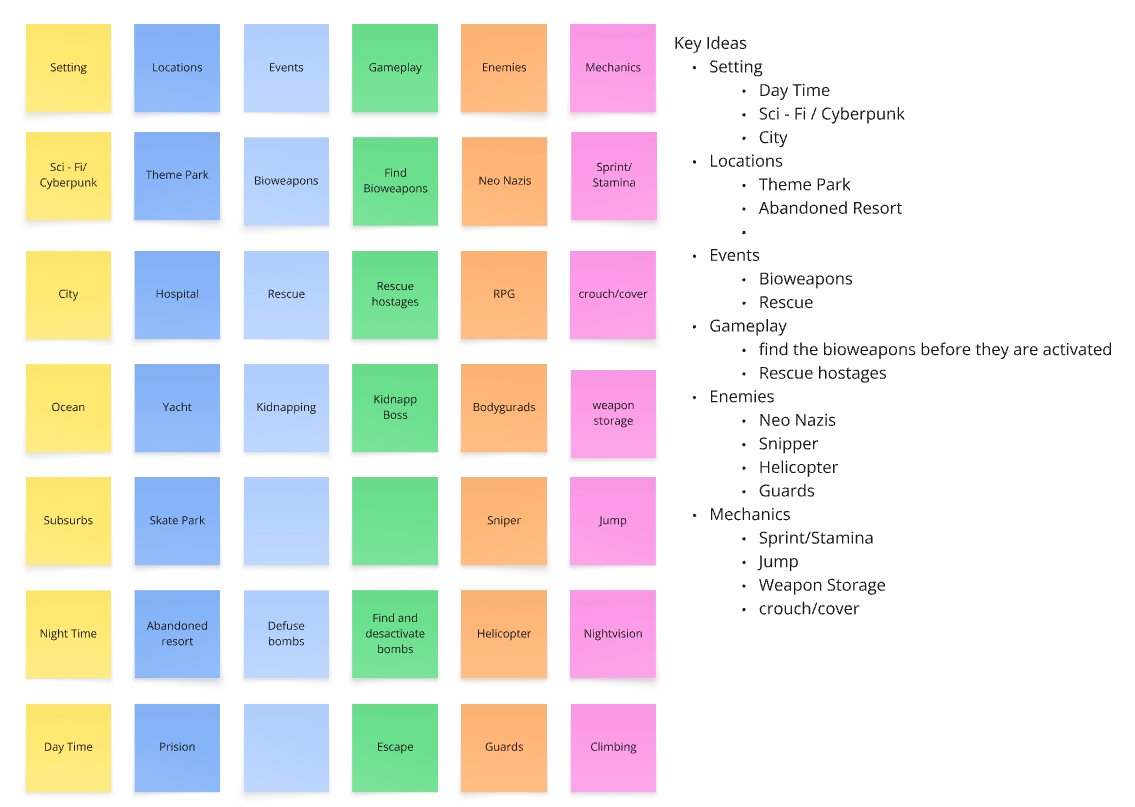
  • Used Miro to brainstorm ideas across categories: Setting, Locations, Events, Enemies, Mechanics → see board on the right.
  • Asked peers to vote on top concepts to identify strongest directions.
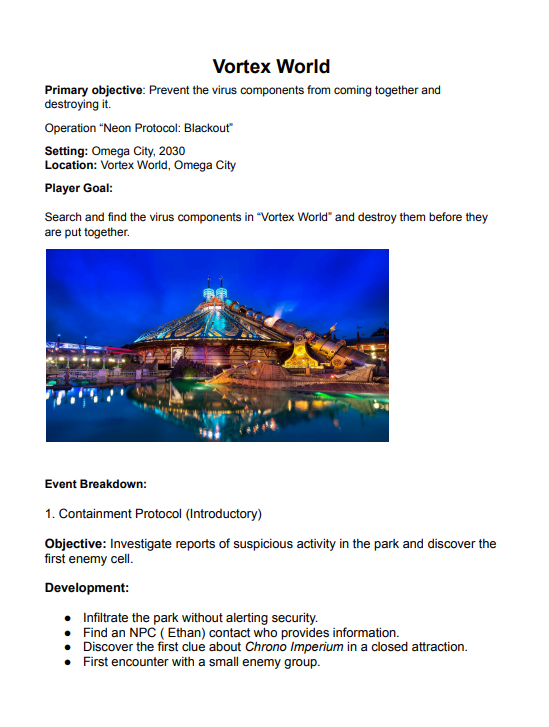
  • Created a short concept doc (LDD draft) — early location vision, player goal, and core gameplay loop.
  • Gathered visual references for mood, tone, and setting.

Result:
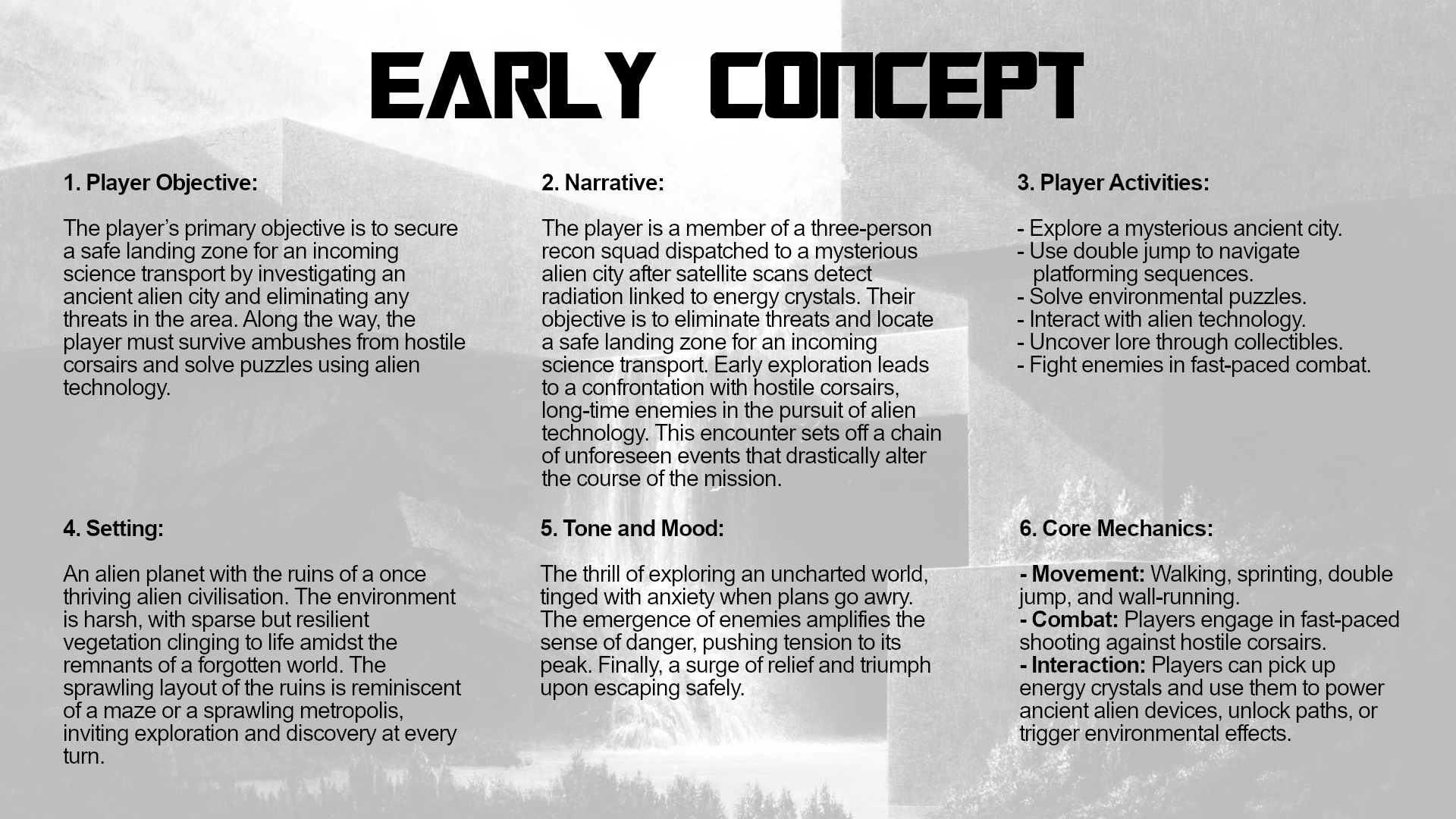
The ideas began to crystallize into a playable vision (see concept preview + refboard).

(Format 2)

As part of the pre-production phase of this project, all research and conceptual materials were organized in a dedicated Miroboard. The board provides a detailed overview of the creative process and includes:

  1. The initial concept for the game (beyond just the level).

  2. An analysis of three games as object reference.

  3. Visual research of real-world objects.

  4. Reference gathering from other media forms (film/animation).

  5. The research, ideation, and final synthesis shaped the level’s initial idea.

As a result, the research, ideation, and synthesis conducted directly informed the structure of the level’s narrative, pacing, and core gameplay systems.

(Format 3)

I began the project by exploring creative directions, gameplay themes, and tone through structured ideation and visual research.

  • Brainstorming: Used a Miro board to explore settings, mechanics, and gameplay themes; collected feedback through voting to select the most engaging ideas.
  • Early Concept: Defined player goals, gameplay loops, and narrative beats to build a cohesive concept with consistent tone and mechanics.
  • Visual References: Researched visual themes and compiled moodboard to guide worldbuilding, tone, and storytelling consistency.
(Format 1)

2: Level Design Document

This LDD was developed from concept to final revision, covering the full design process. It includes detailed documentation of narrative, mechanics, pacing, and spatial layout, serving both as a production guide and as a showcase of my design approach.

3: Game beats & 2D Map

Goal:
Structure gameplay pacing and environment layout from a raw level idea;

Create 2D map and Beat Sheet.

Solution:

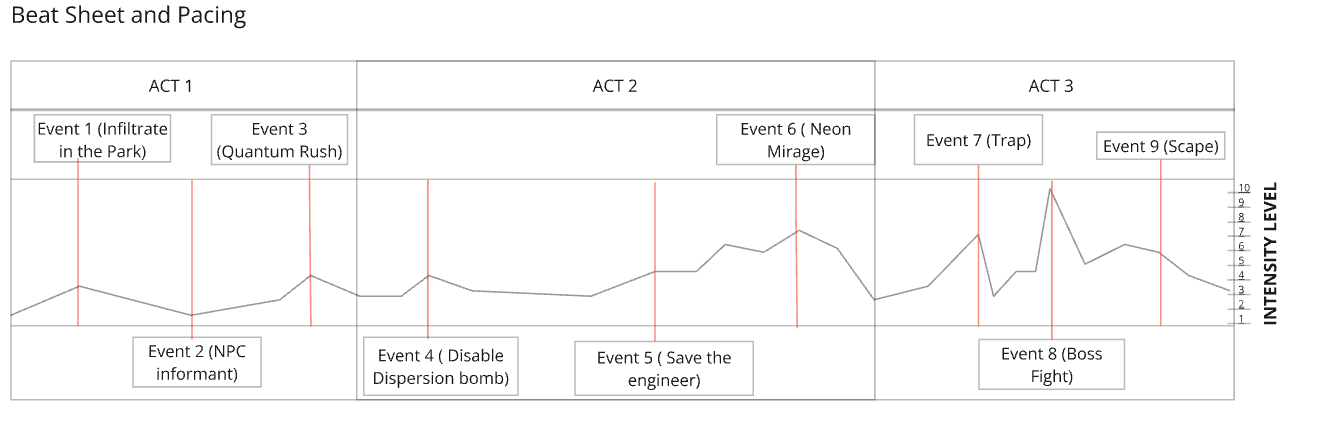
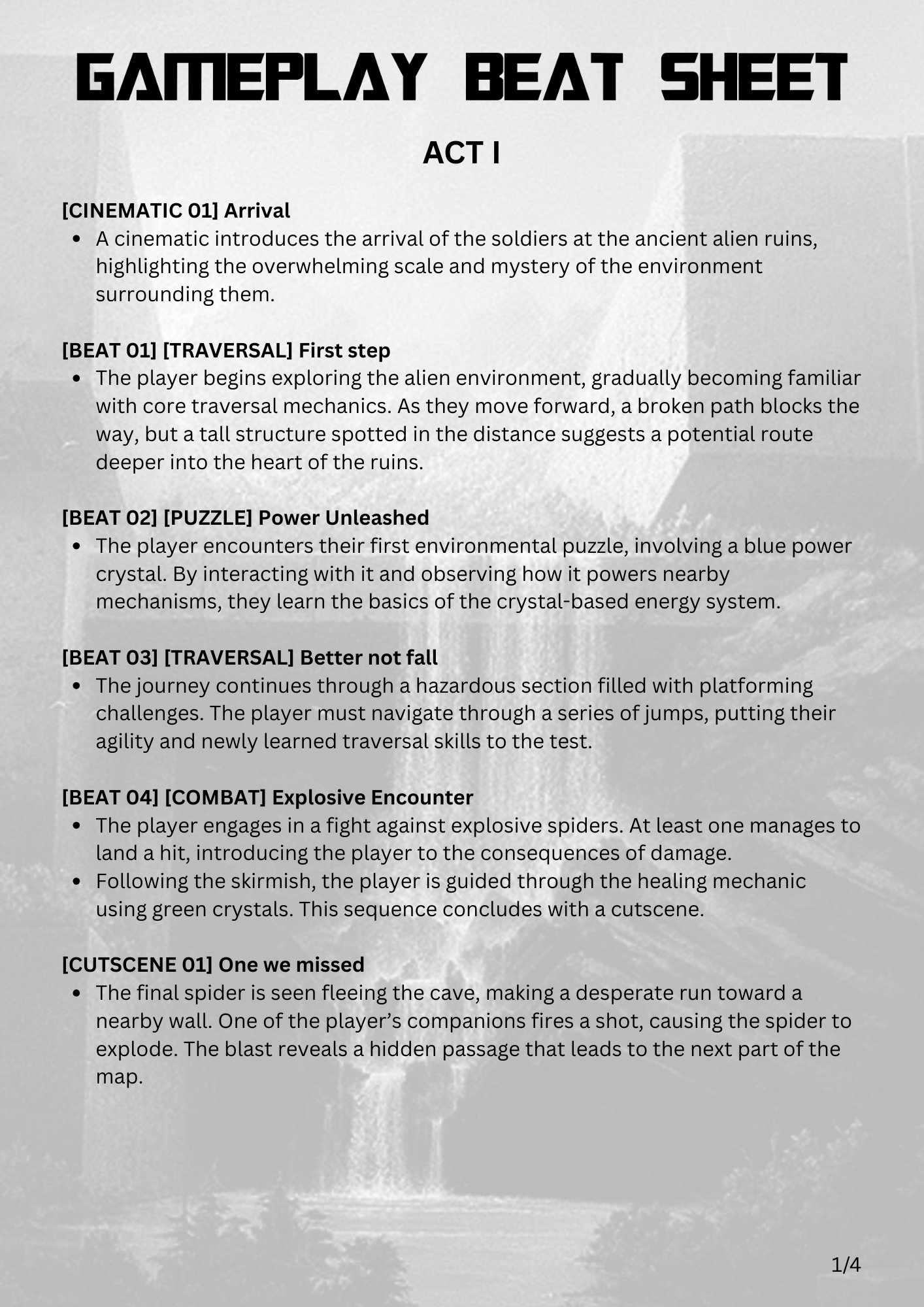
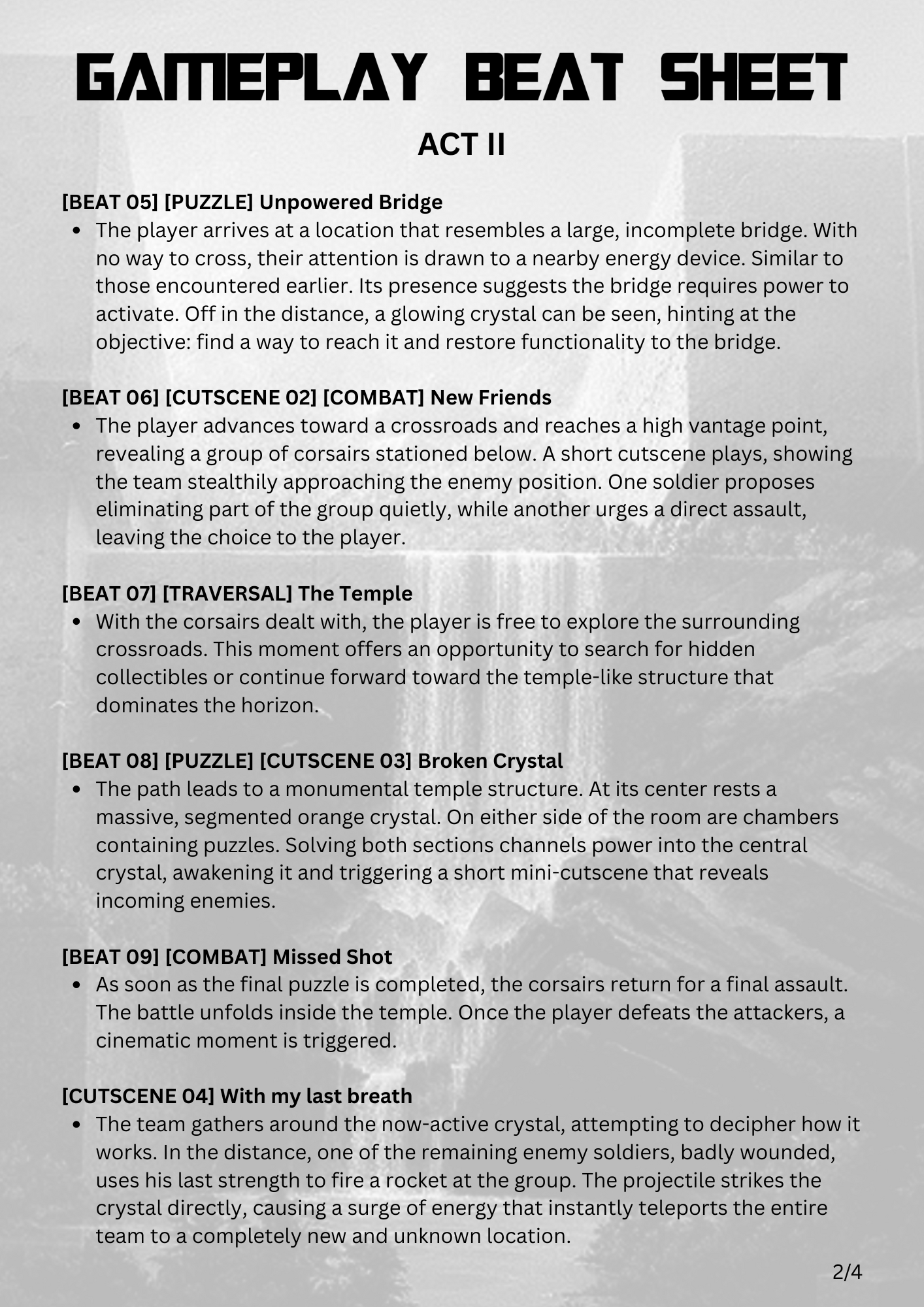
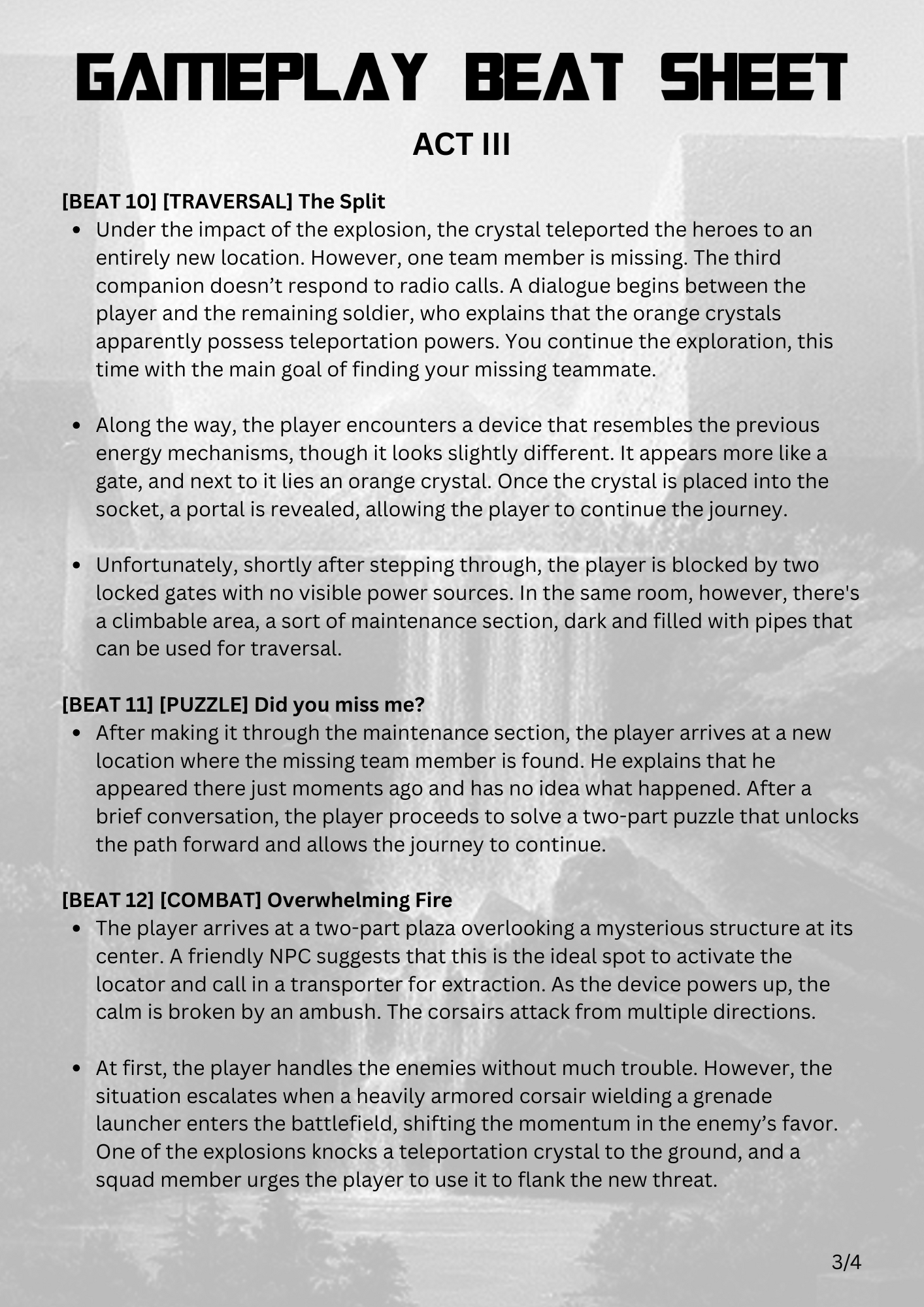
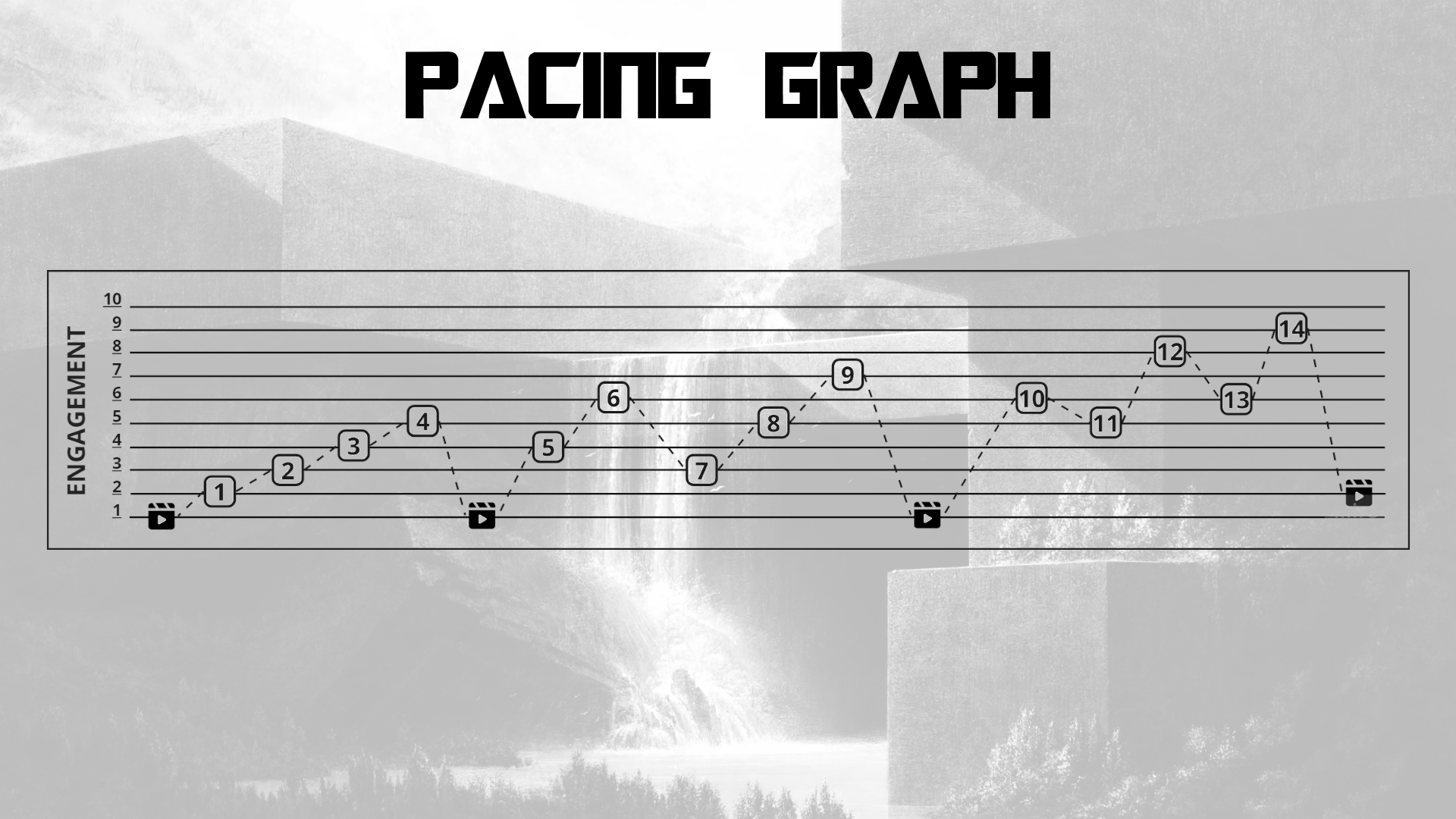
  • Broke down the story into a quest chain, split it into gameplay beats, and assigned intensity values.
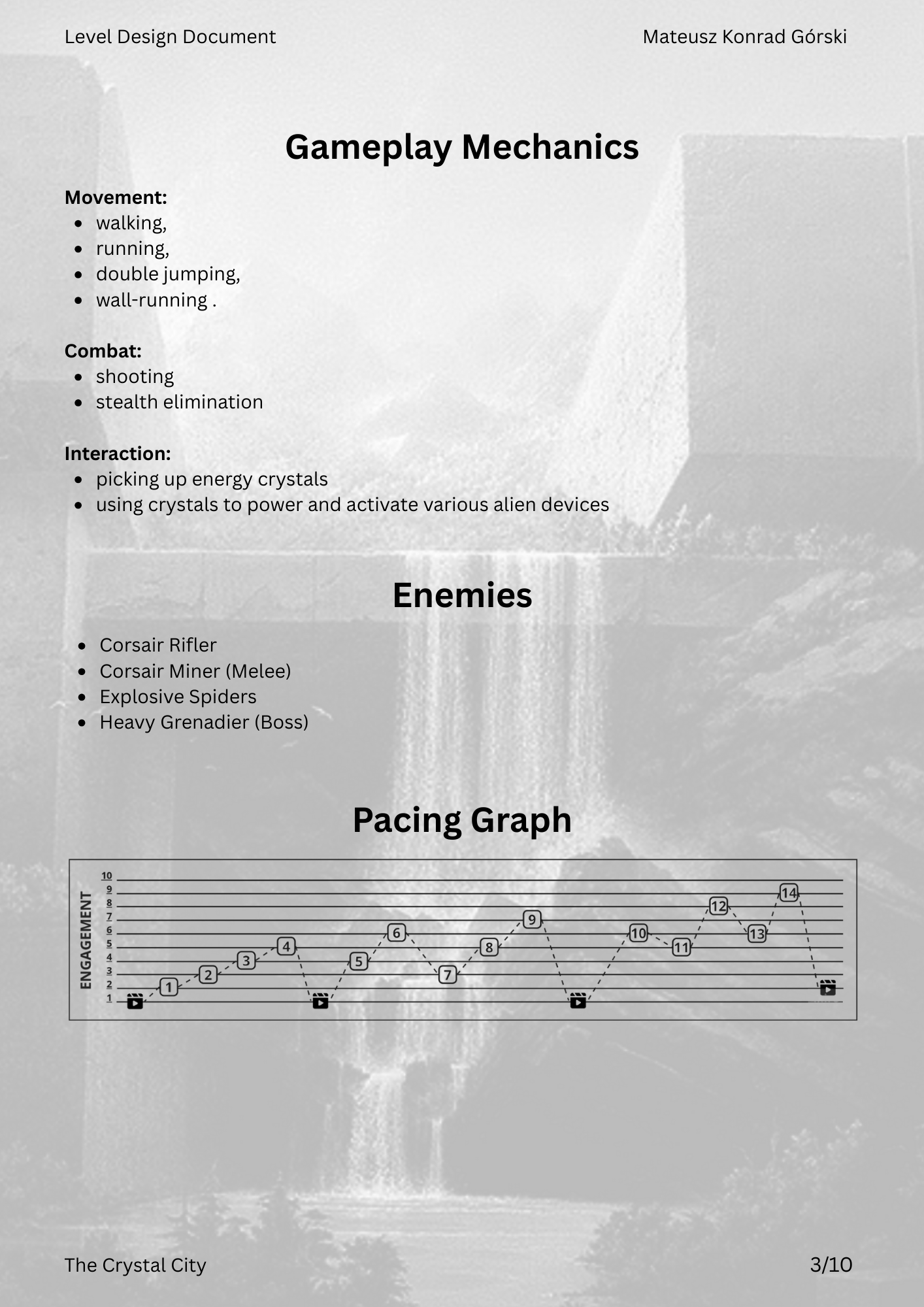
  • Built a gameplay intensity graph to visualize pacing across the level, aligning each beat with corresponding map areas to communicate flow and player tension effectively.
Intensity Graph V.1
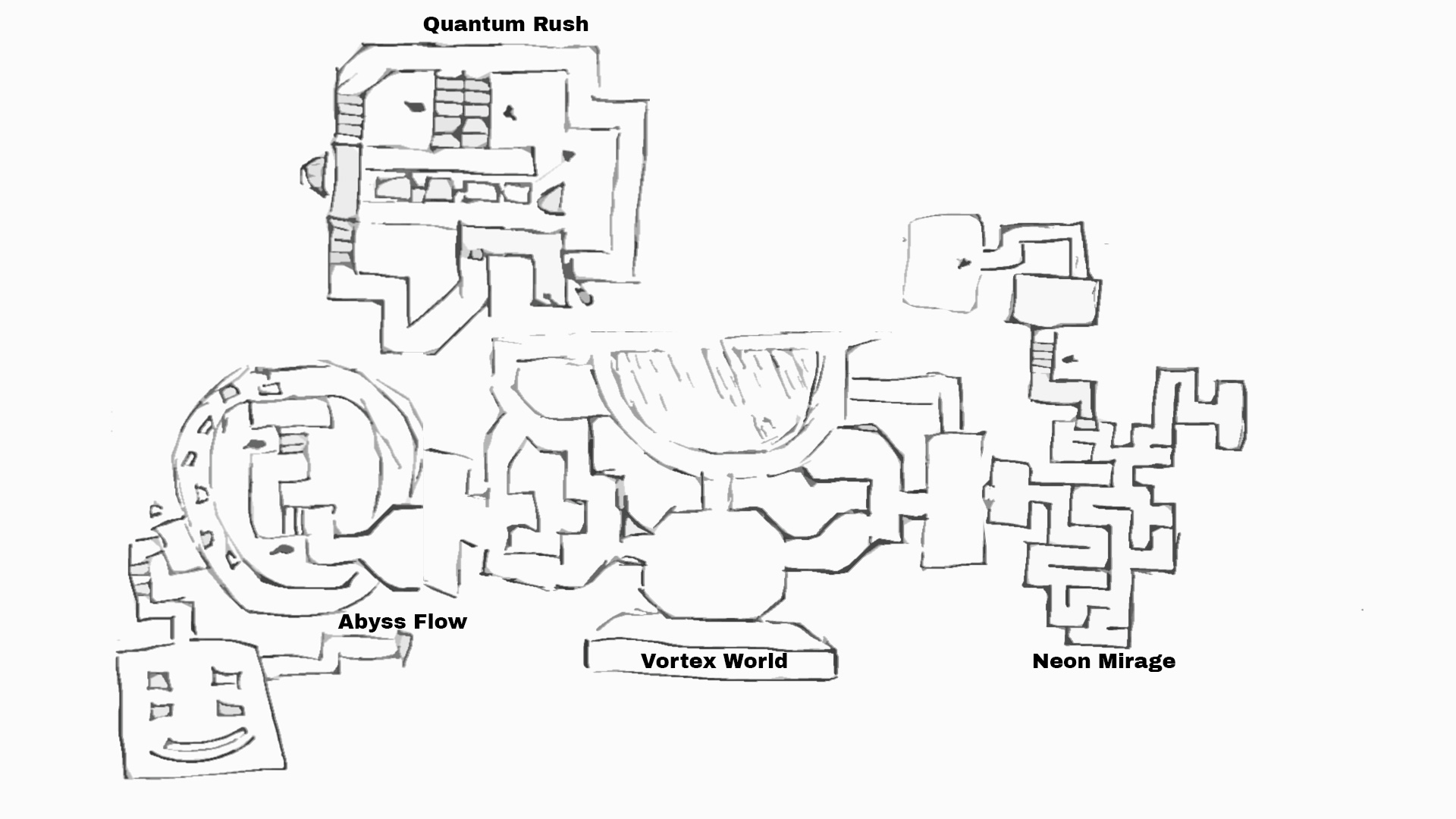
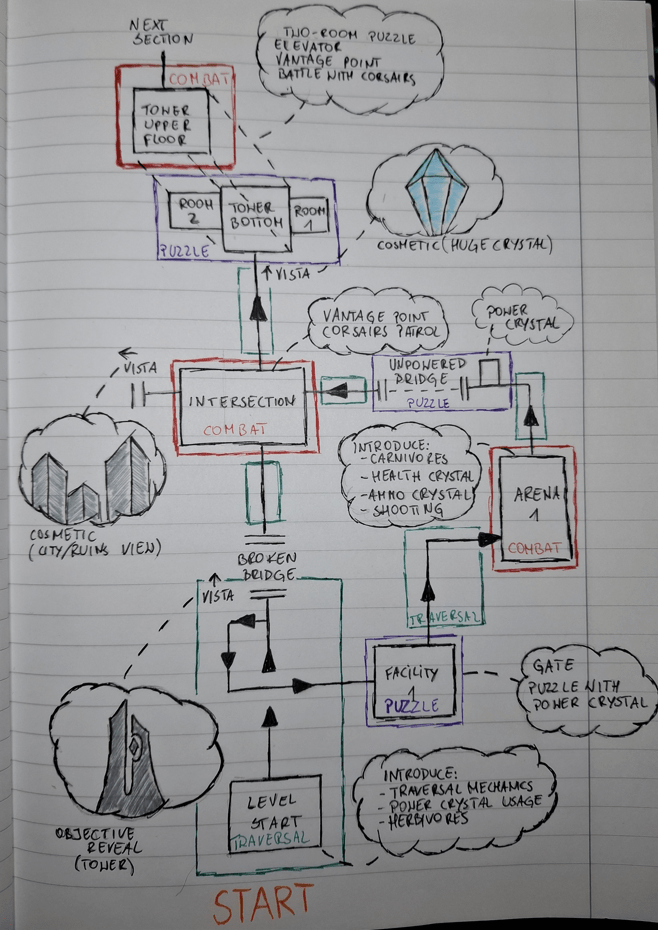
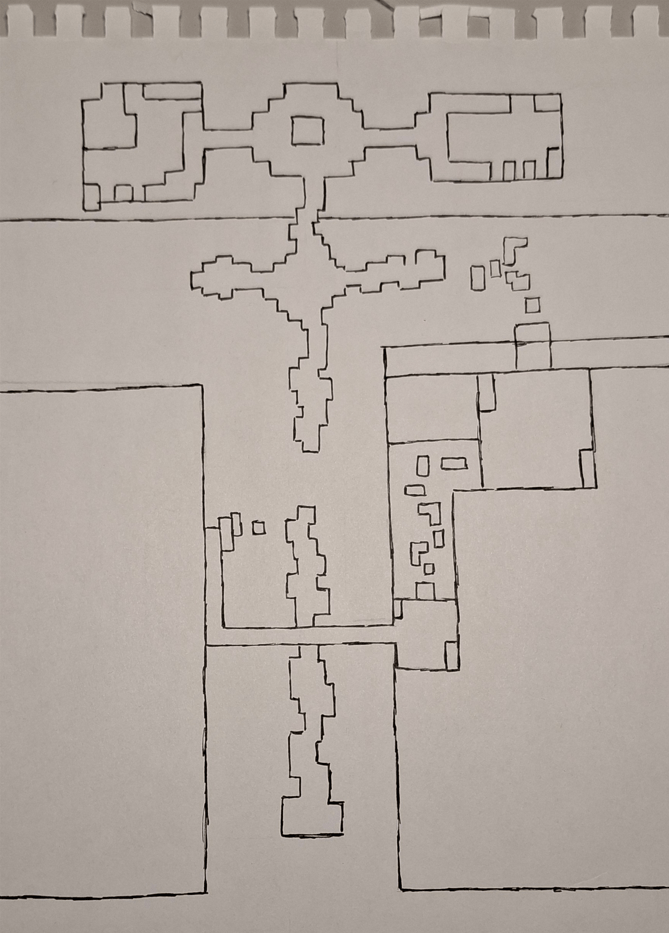
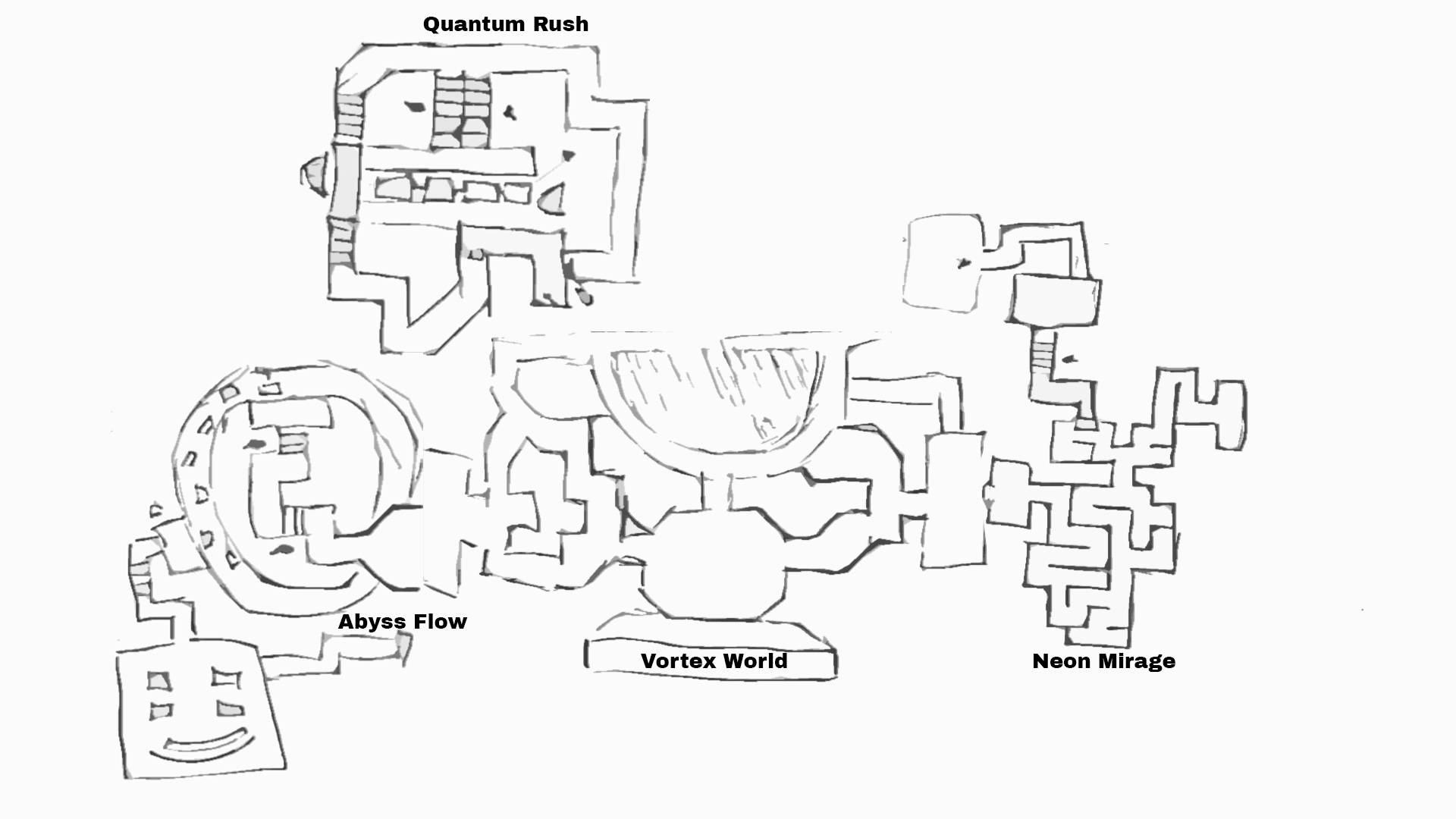
  • Created the initial 2D layout as a hand-drawn sketch in my notebook.
Sketch

Result:
The updated LDD provided a clearer visualization of player flow, emotional pacing, and environmental context. The improved 2D map made it easier to communicate design intent during peer reviews and team discussions.

(Format 2)

2. LDD​ and 2D map

With the core direction established, I focused on shaping the level’s structure, pacing, and gameplay flow to ensure smooth iteration and effective communication across the design process.

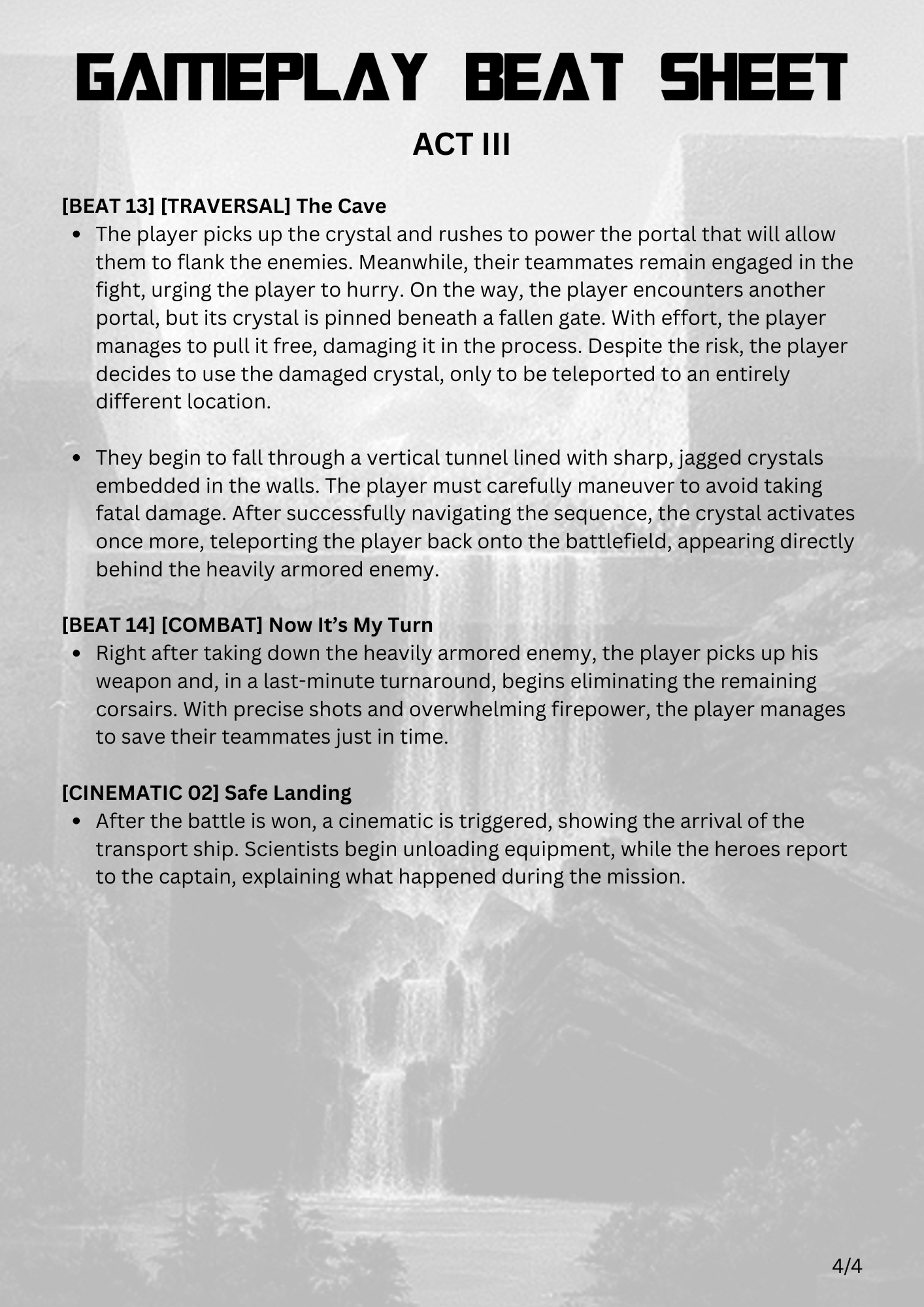
  • Gameplay Beat Sheet
    Broke the level into smaller segments with clear emotional intent (e.g., tension, rest, exploration) to align gameplay progression with narrative beats.
  • Pacing Graph
    Mapped intensity over time to ensure a natural flow of challenges and rest moments, avoiding abrupt difficulty spikes.
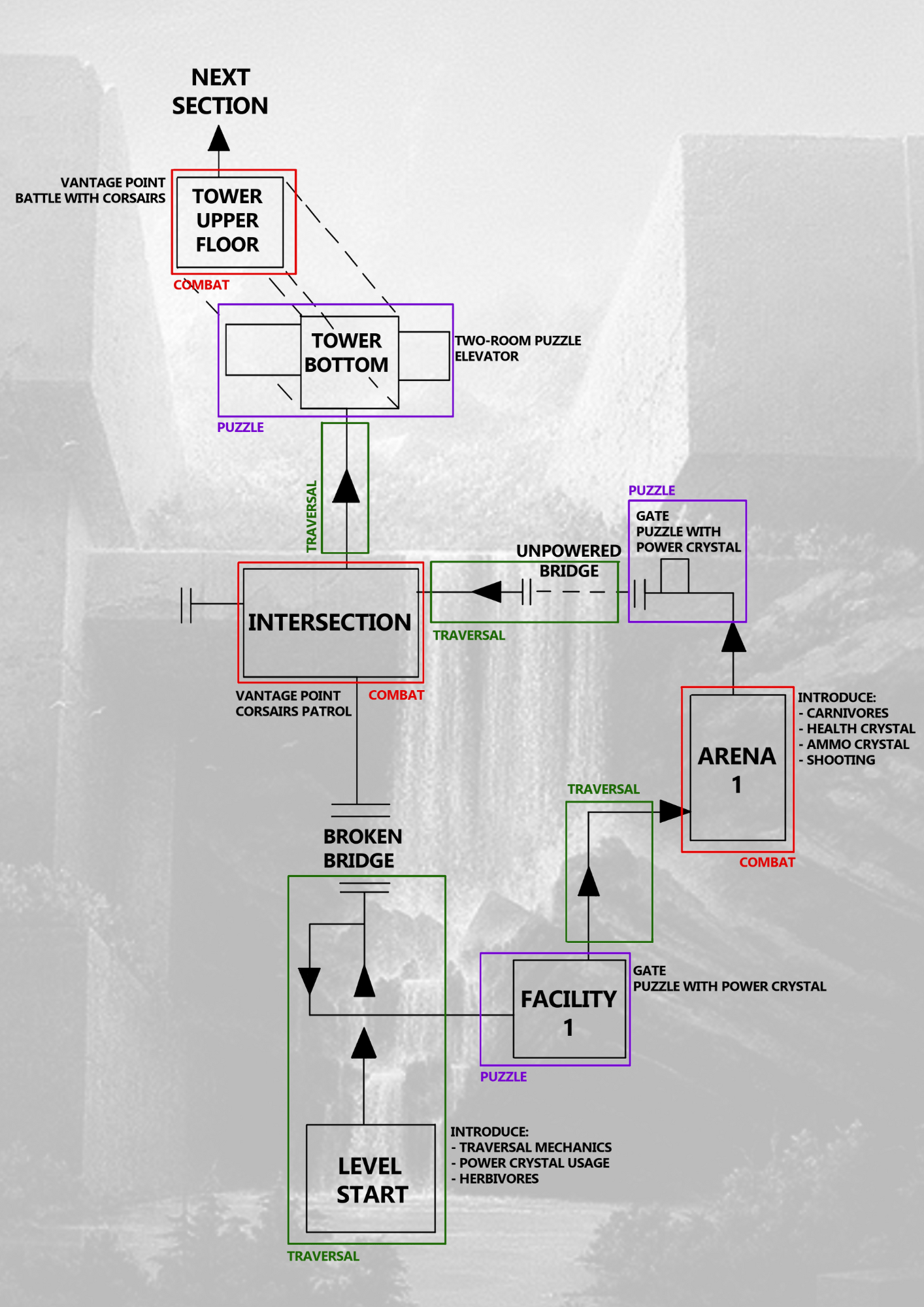
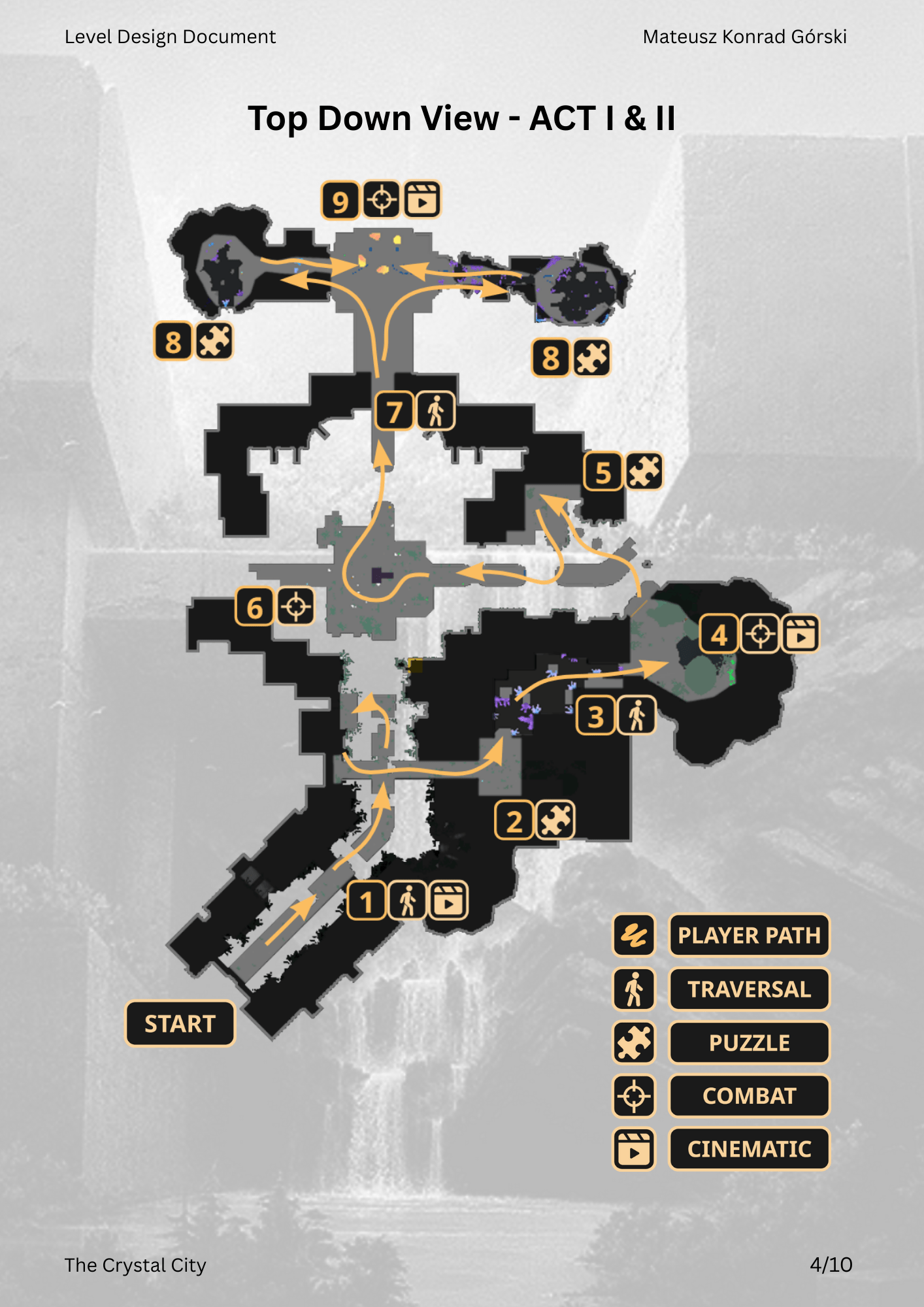
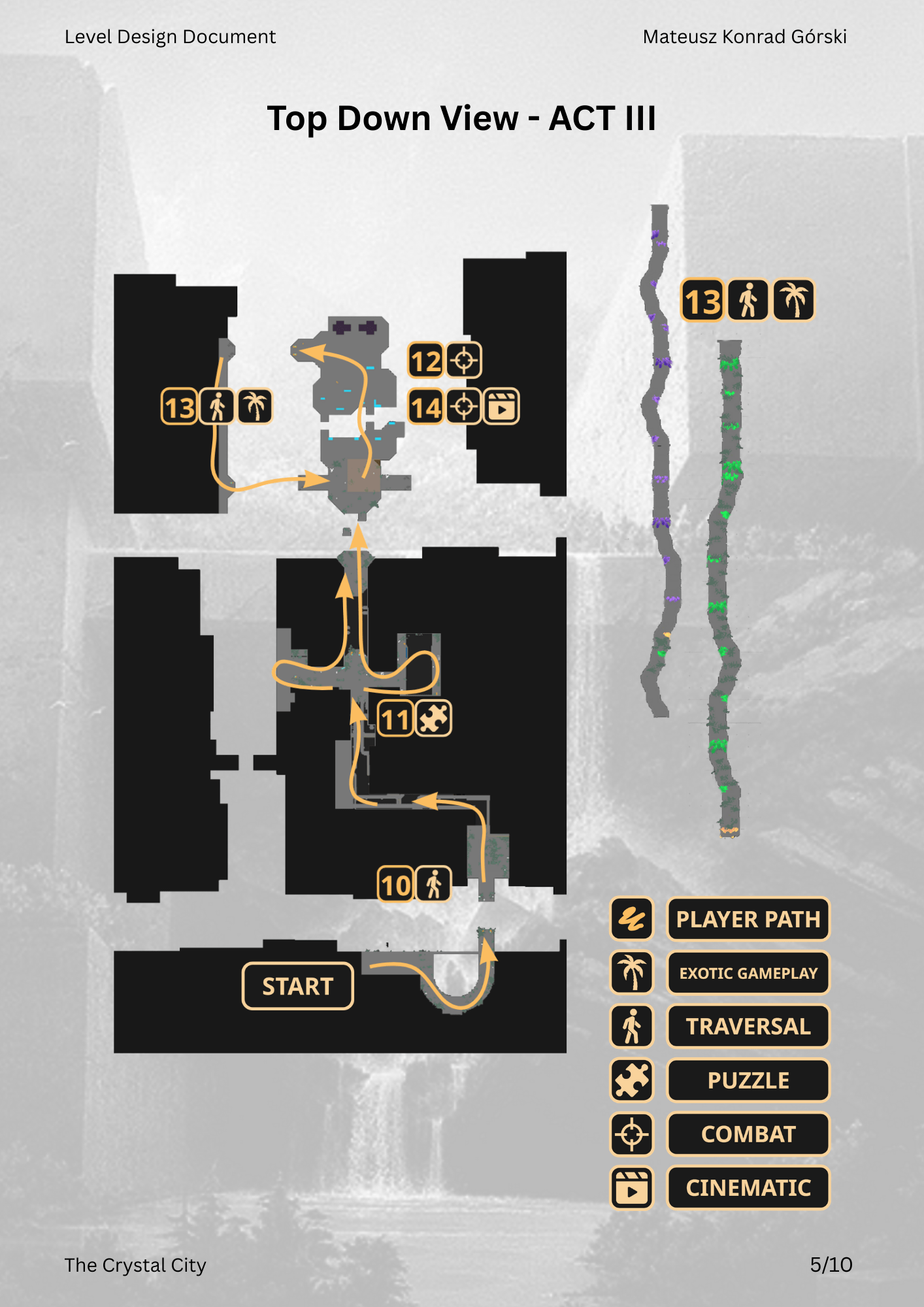
  • 2D Map
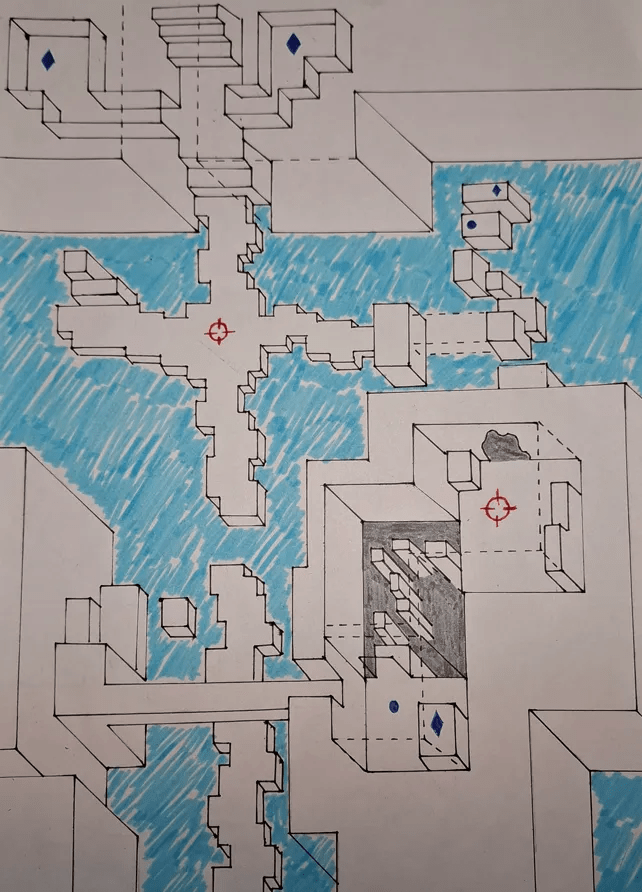
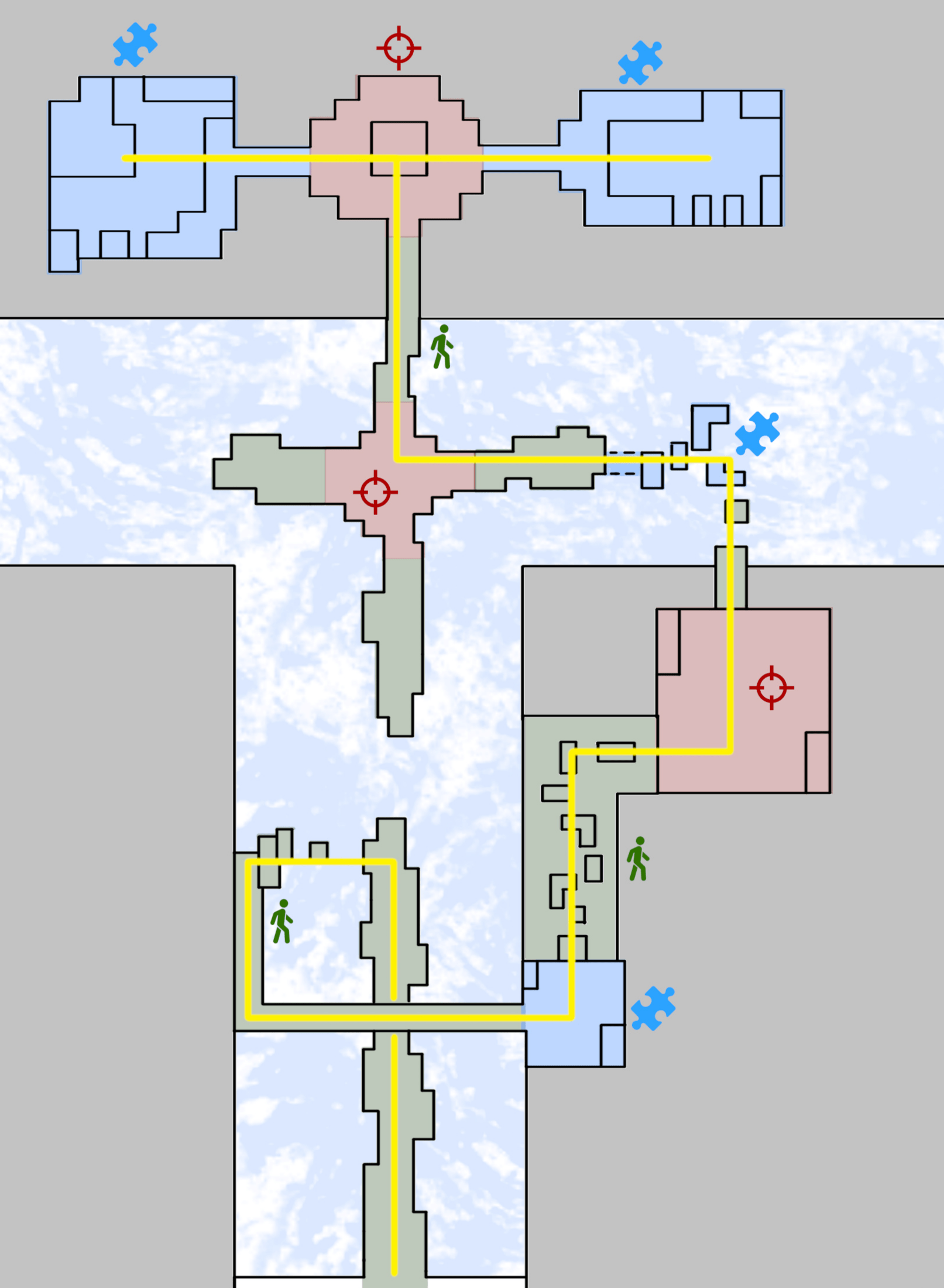
    I first created a high-level map sketch on paper to outline the key traversal, combat, and puzzle zones. Then, I drew a more detailed version of the map, further developing the layout. Finally, I refined it using GIMP to polish the design before transitioning to 3D.
  • Level Design Document
     Compiled all planning, beats, pacing, layout, and design logic into a single source of truth to guide feedback and development.

4: The First Roughout

Goal: Build the playable roughout fast.

Solution:

  • Transitioned from 2D map to UE5 and blocked out the level using simple geometry and color coding to reduce clutter.
  • Iterated in play mode to evaluate readability, navigation, and flow.
  • Added placeholders for enemies, NPCs, quest chains, and loot chests to simulate gameplay structure.
  • Used a Level Design Kit for prototyping, plus created a PureRef board for visual direction.


Result:
The level became fully playable and readable. Even though visuals were basic, the core gameplay idea came through clearly – players could explore, find rewards, and follow the quest flow.

This set a solid foundation for the next iteration.

5: Iterating on the Roughout

(Format 1)

Goal:
Transform the entrance of the amusement park and surrounding areas into a visually striking and narratively engaging introduction. The goal was to boost player immersion, establish narrative flow from the start, and ensure environmental storytelling supports gameplay progression.

Solution:

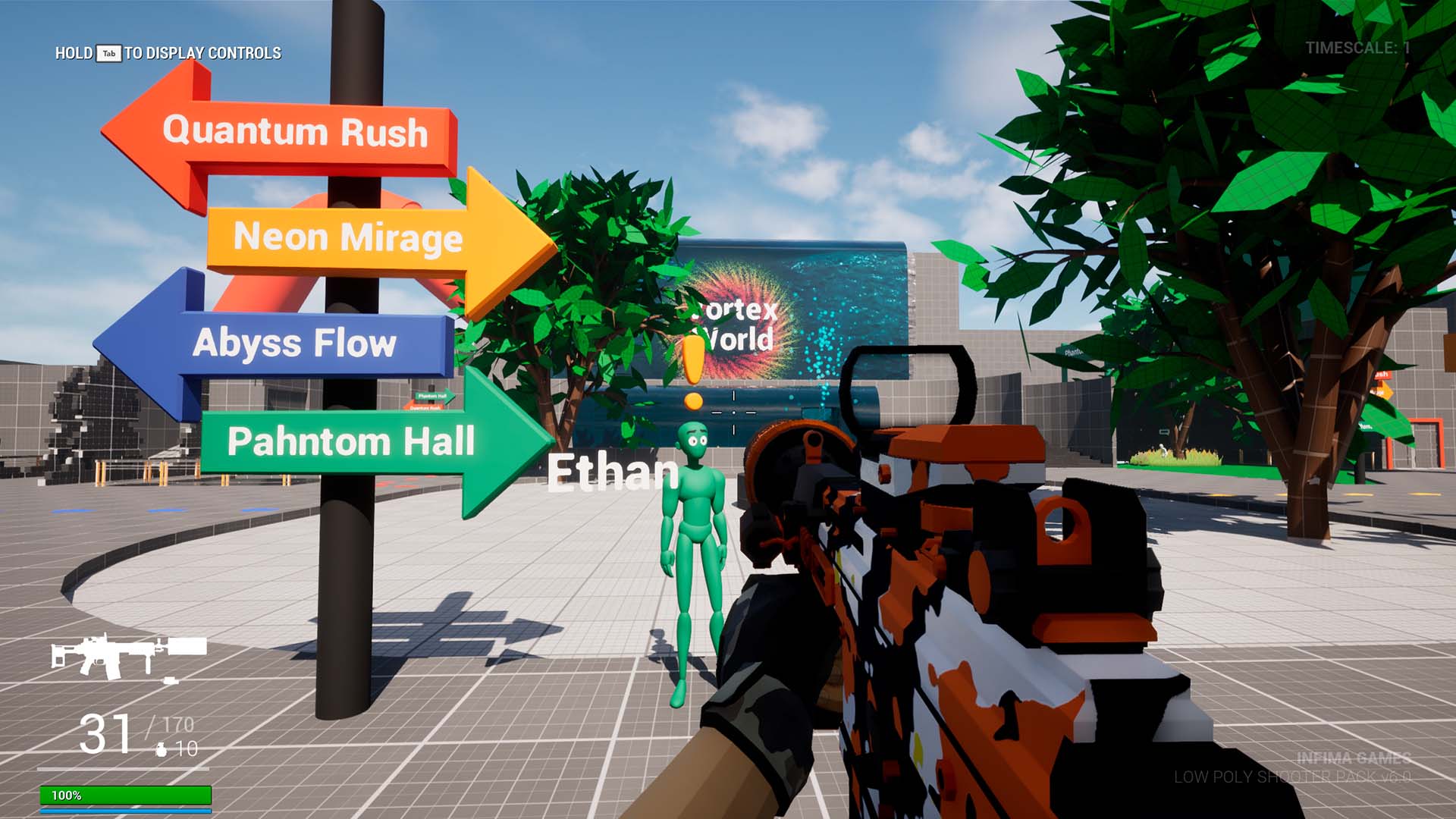
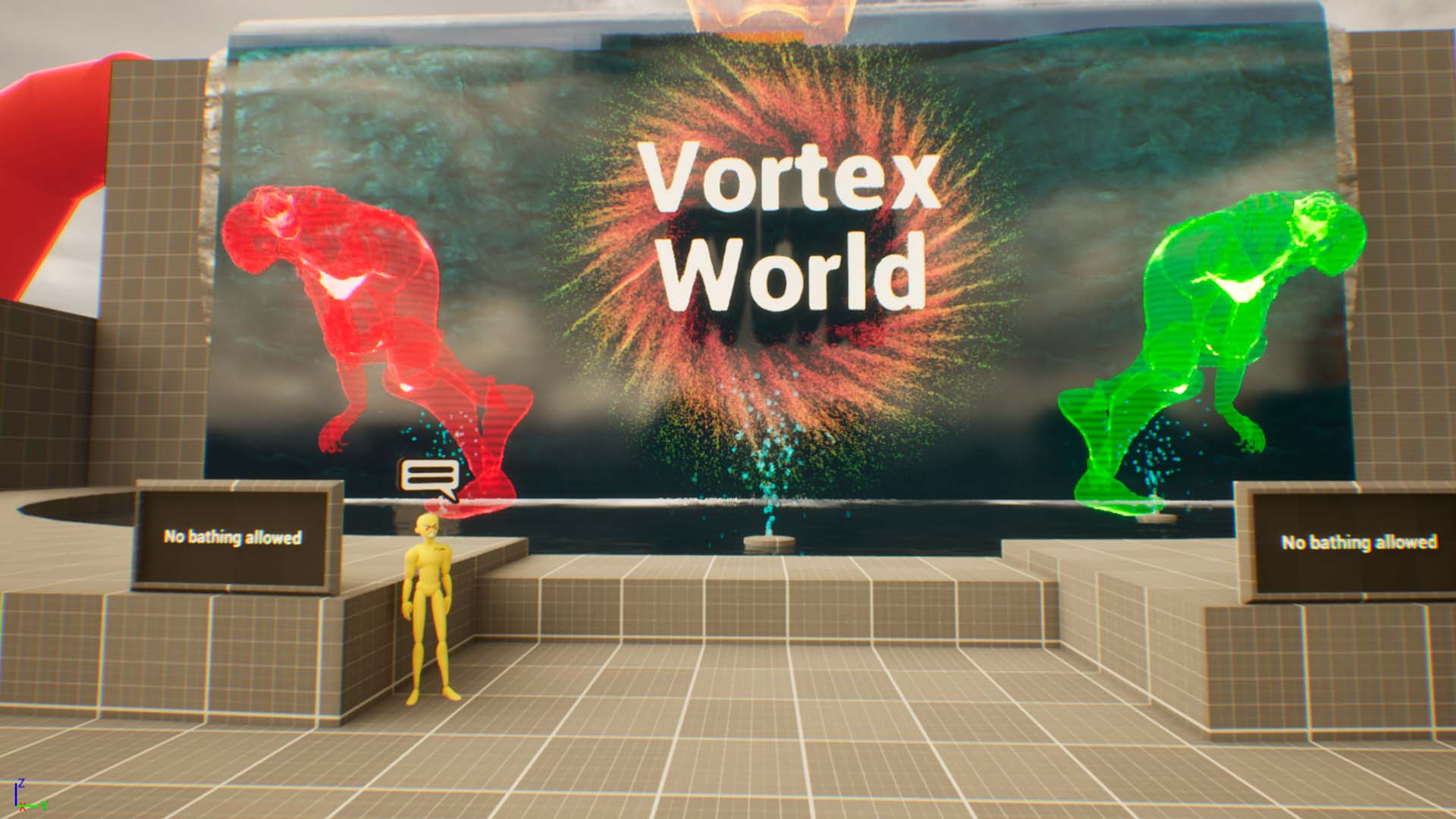
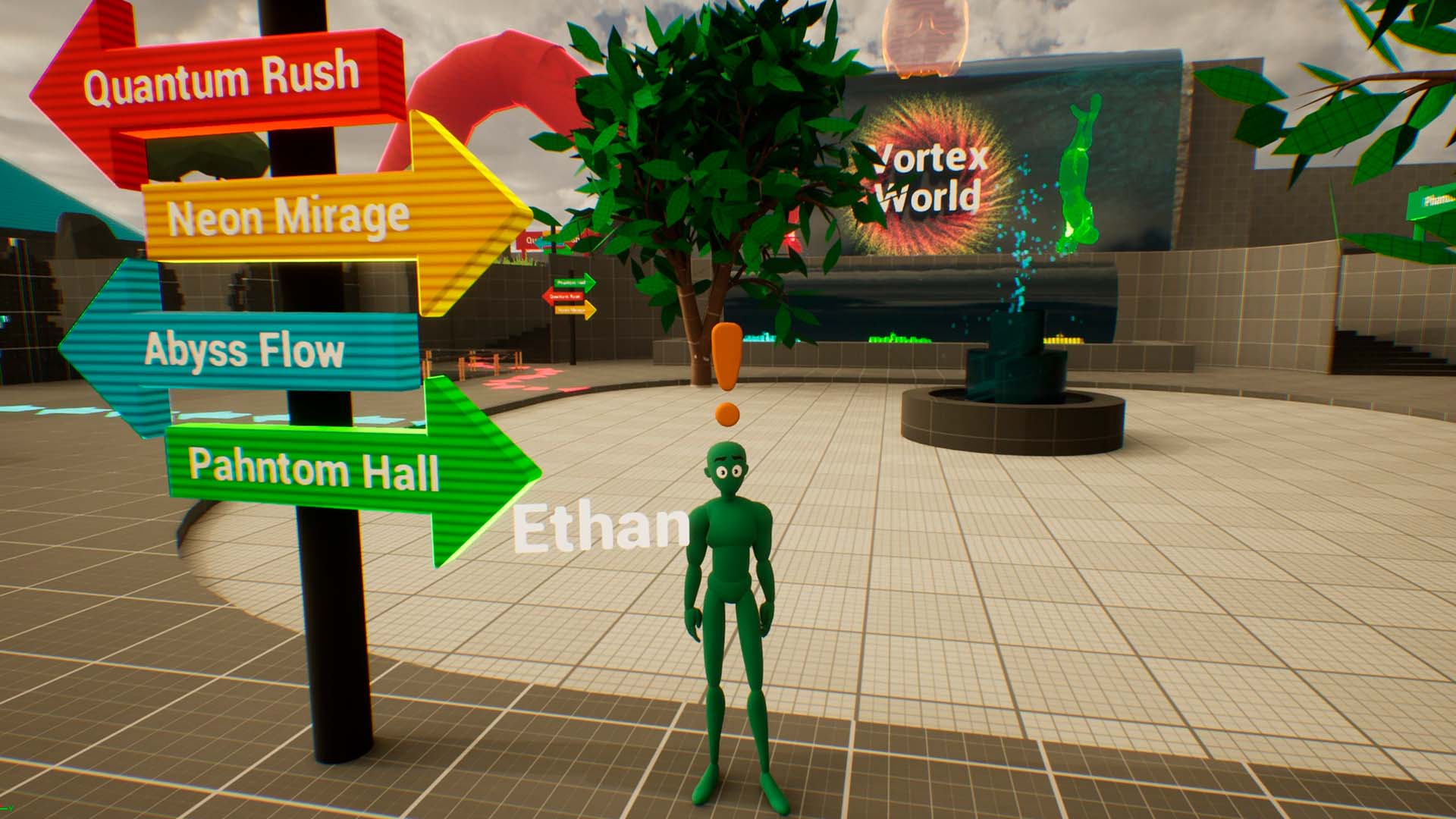
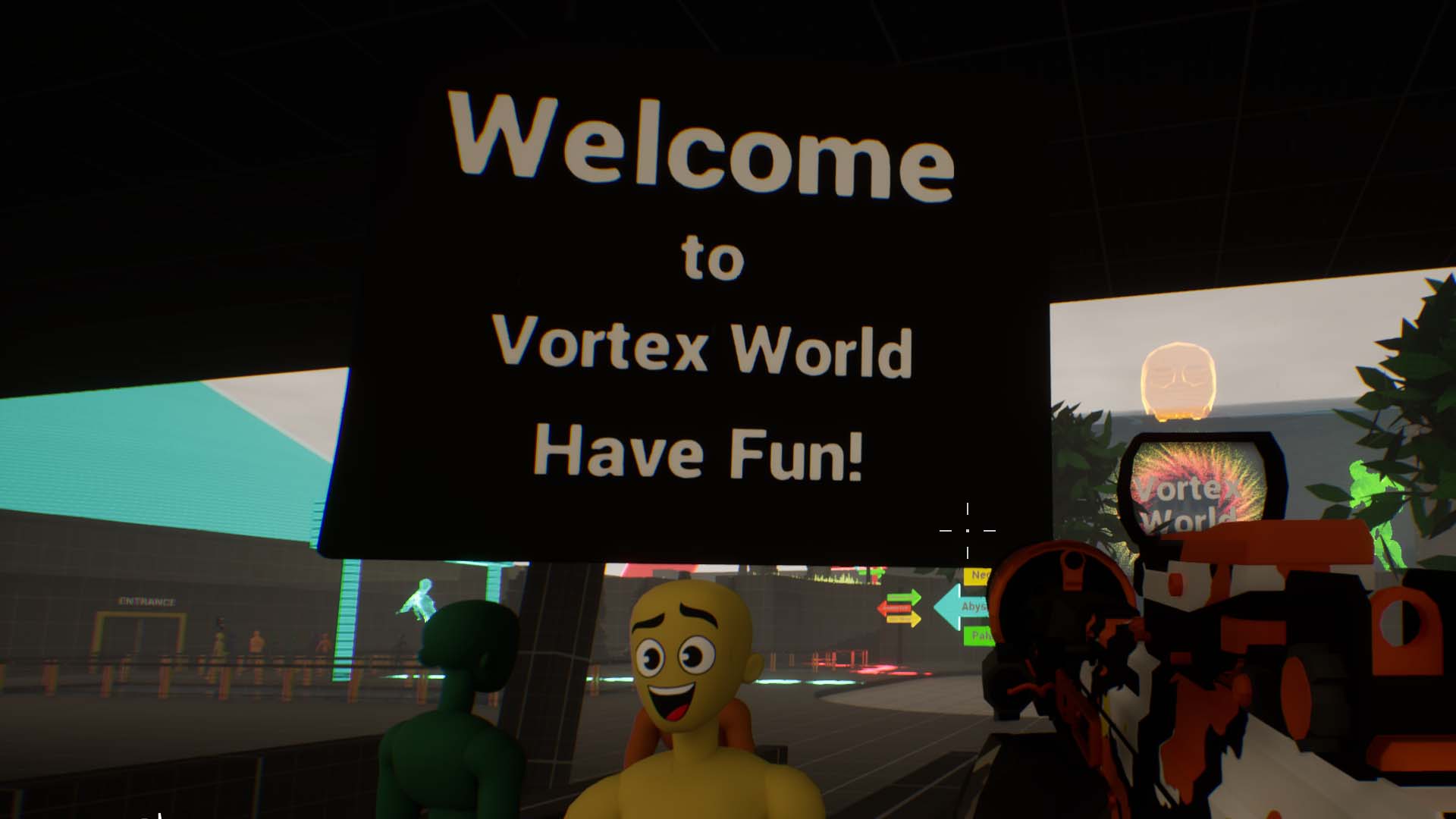
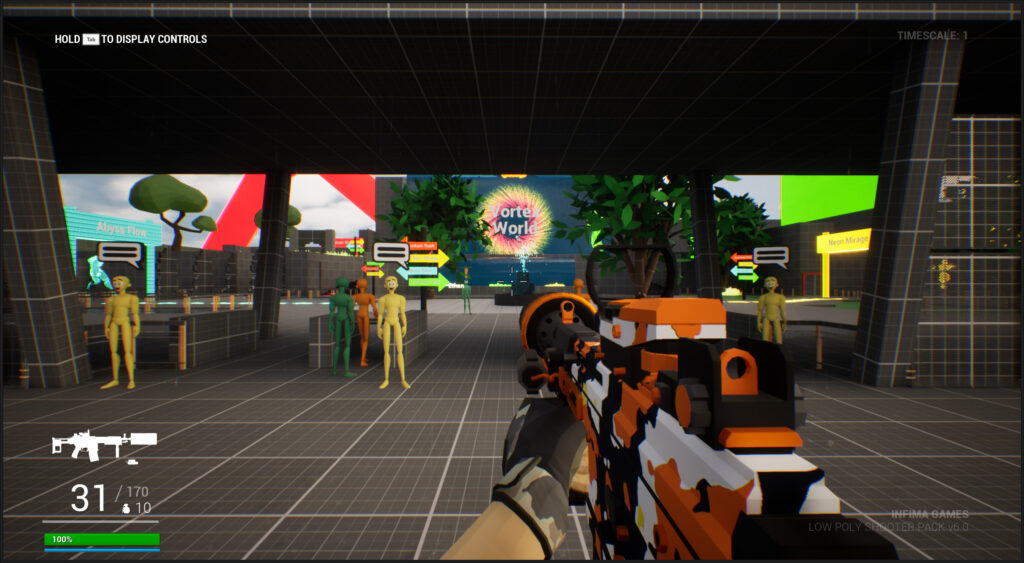
  • Park entrance redesign:The entrance offers an open, immersive view of Vortex World, allowing players to see major landmarks and attractions early on. This direct visual access sets up the narrative stakes and motivates free exploration.
  • Enhanced storytelling: Blended visual and environmental cues to deepen narrative immersion.
    Date signs guide players to attractions while hinting at a fragmented timeline.
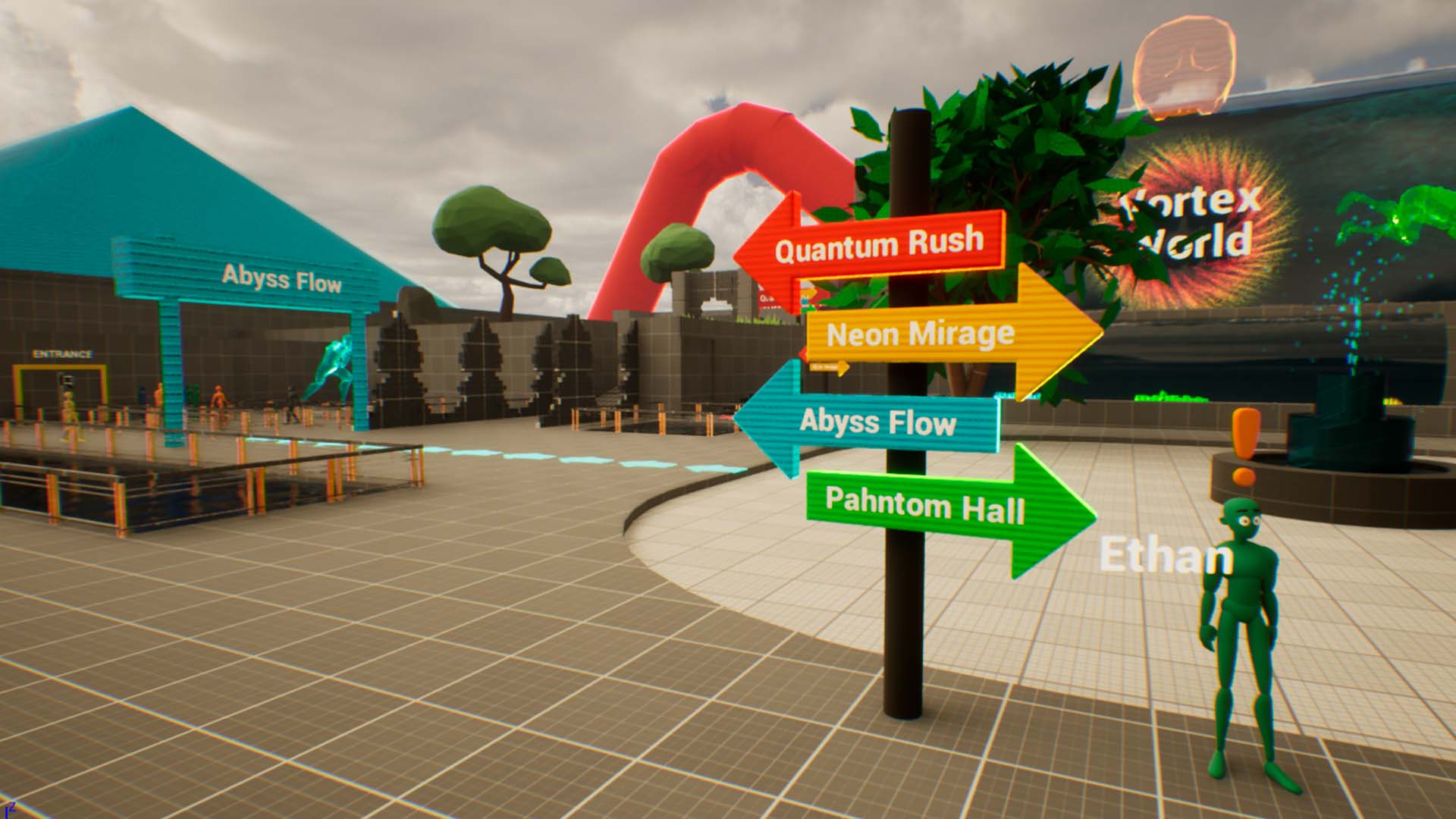
  • Improved visuals: Added laced physical signs throughout the park to guide players toward each attraction, supporting navigation and reinforcing environmental storytelling.
  • Game Mode upgrade: switched to Low poly Shooter pack.
 

Result:
The area now feels alive and purposeful. Players begin with a cinematic overview of the park, encounter an initial moment of tension, and follow a more immersive and visually cohesive narrative path driven by environmental cues.

(Format 2)

Example 01: Snow Zone (Beat 06 & 07)

Result

Initially designed for platforming and bridge tutorials, the Snow Zone changed during development:

  • Hazard elements were added to the environment.

  • The setting was reimagined as a snowy junkyard.

  • The zone reflects environmental impact caused by the anomaly.

First & Second Iteration

Beat 6 and Beat 7 were initially structured to deepen engagement with platforming and bridge mechanics:

  • Reinforce movement skills

  • Introduce bridge ability in practice

Changes to the level’s metrics prompted a redesign of Beat 7.

Solution:
The redesign emphasized:

  • Reduced redundancy

  • Alternative paths for recovery

  • Early integration of mechanics appearing in later gameplay

Results:

  • Mechanics loop back into later beats

  • Layout matches updated pacing expectations

Third & Fourth Iteration

Player’s test indicated that the main path was too narrow and rigid. To improve flexibility, I expanded the playable area during iteration 3 and 4.

  • Merge B7 and B8 into a single larger space.

During the fourth iteration, a playtest revealed pacing and clarity issues.

Problems:

  • Confusion around bridge mechanics

  • Idle time between gameplay points

  • Lack of environmental threats

Solution:

  • Reintroduced a key item for bridge creation

  • Tightened space between gameplay moments

  • Added environmental hazards

6: Moving to the Blockout

Goal:

The main focus of this iteration was to:

  • Add guiding text to help the player locate the attractions.
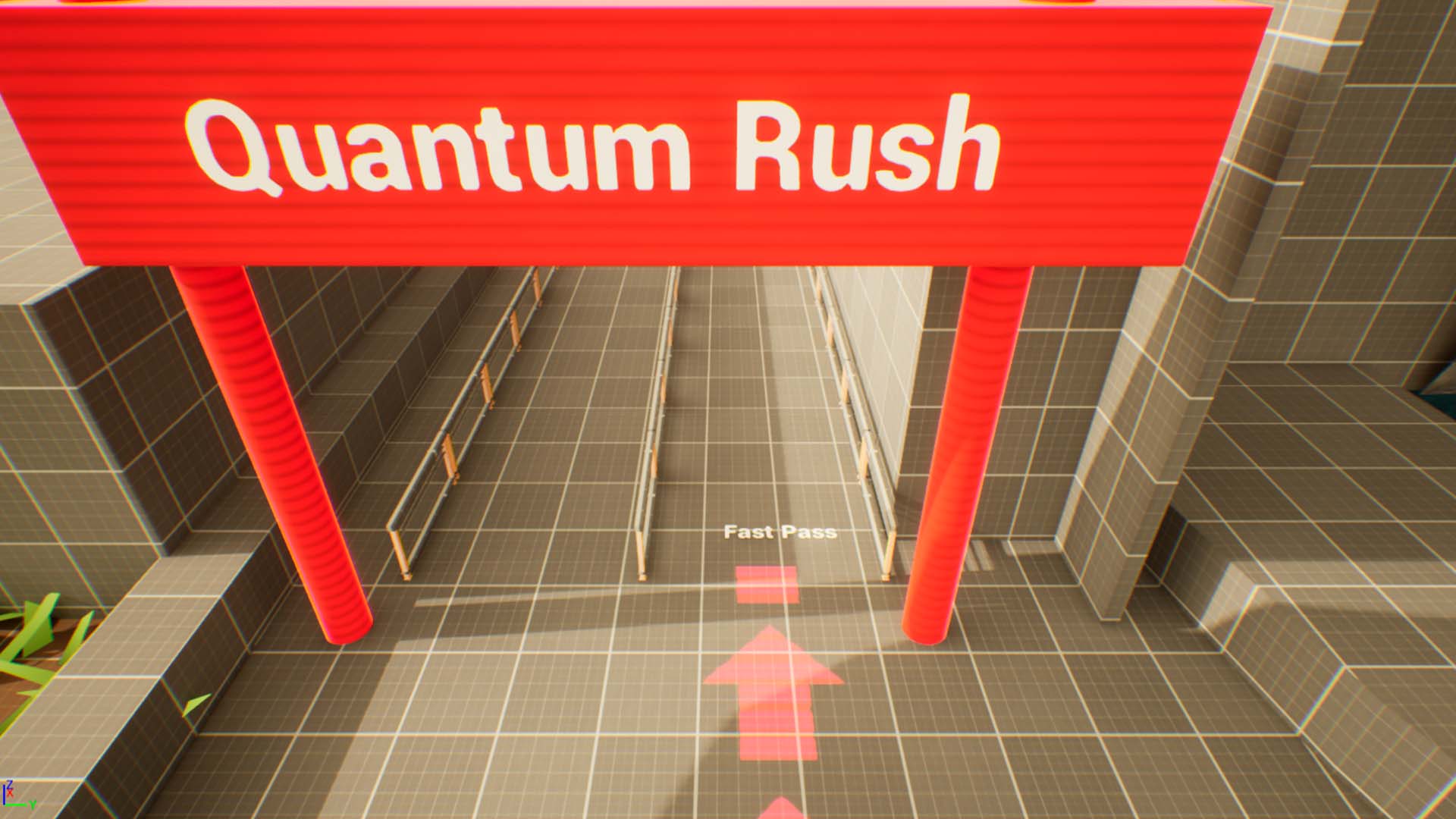
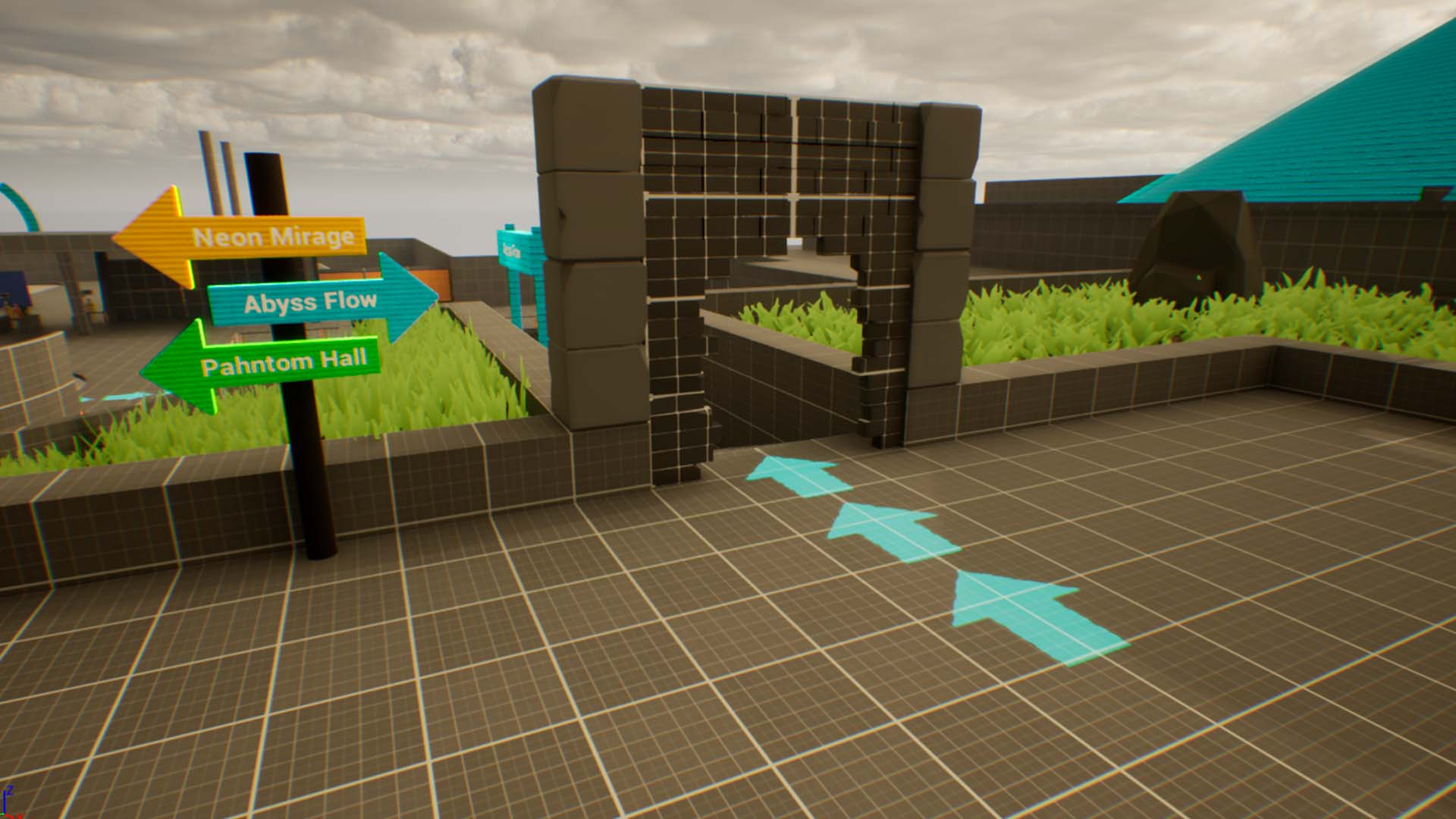
  • Implement a “Fast Pass” lane to allow quicker progression.
  • Block access to the lake area to restrict navigation.

Solution:

  • Added on-screen guiding text and environmental cues pointing players toward the attractions.
  • Designed and implemented a dedicated “Fast Pass” lane, allowing the player to bypass queues or obstacles for faster access.
  • Placed barriers and adjusted collision settings around the lake to block entry and keep players within the intended gameplay area.

Result:

The level became more structured and player-friendly. Attraction guidance texts reduced confusion, the Fast Pass system improved pacing and flow, and blocking the lake ensured players stayed focused on core objectives without breaking level boundaries.

7: Iterating the Blockout

Goal:
The main focus of this iteration was to:

  • Relocate Ethan’s position so the player encounters him earlier.
  • Add color-coded lights to the attractions (following the indicated palette).
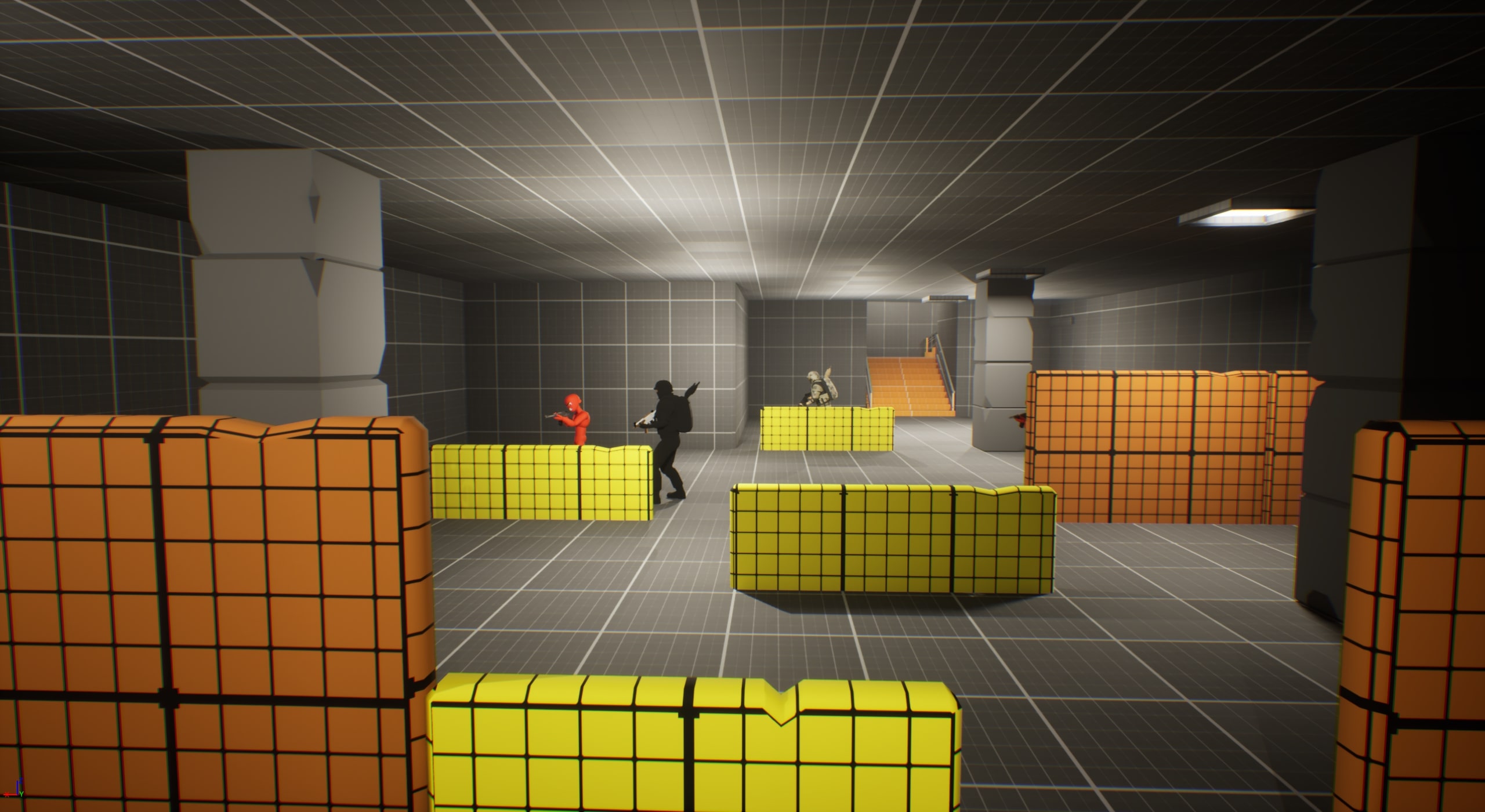
  • Provide additional covers for the player to defend against enemies.
  • Replace and update doors for better consistency.
  • Review and fix collision settings on laboratory objects.
  • Add clearer player guidance and indications throughout the level.

Solution:

  • Moved Ethan’s spawn point closer to the player’s early path to ensure earlier discovery.
  • Implemented colored lighting on attractions according to their assigned color scheme for stronger visual readability.
  • Added props and structures as tactical covers in combat areas, especially in open zones.
  • Replaced outdated door assets with new ones, ensuring consistent interaction feedback.
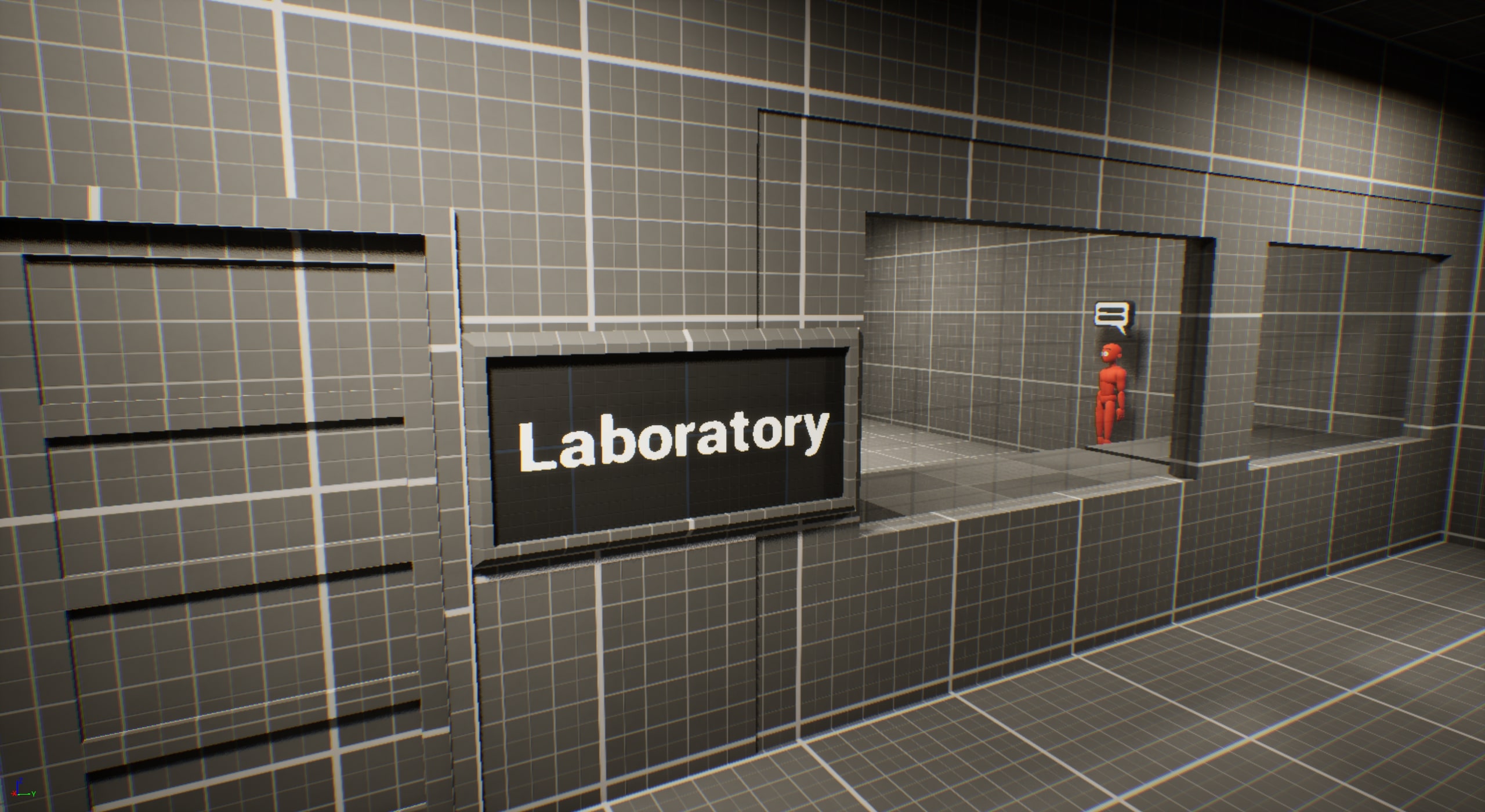
  • Reviewed laboratory assets, adjusting collision boxes to prevent blocking or clipping issues.
  • Placed directional hints, environmental cues, and subtle markers to guide players more effectively toward objectives.

Result:
The level became more intuitive and engaging. Players now encounter Ethan earlier, improving pacing and narrative flow. Combat scenarios gained more depth with strategic cover placement, while color-coded attractions and improved doors enhanced visual clarity. Fixing collisions removed frustrations, and the added indications made navigation smoother and more accessible.

8: Refining the Blockout

Goal:

The main focus of this iteration was to:

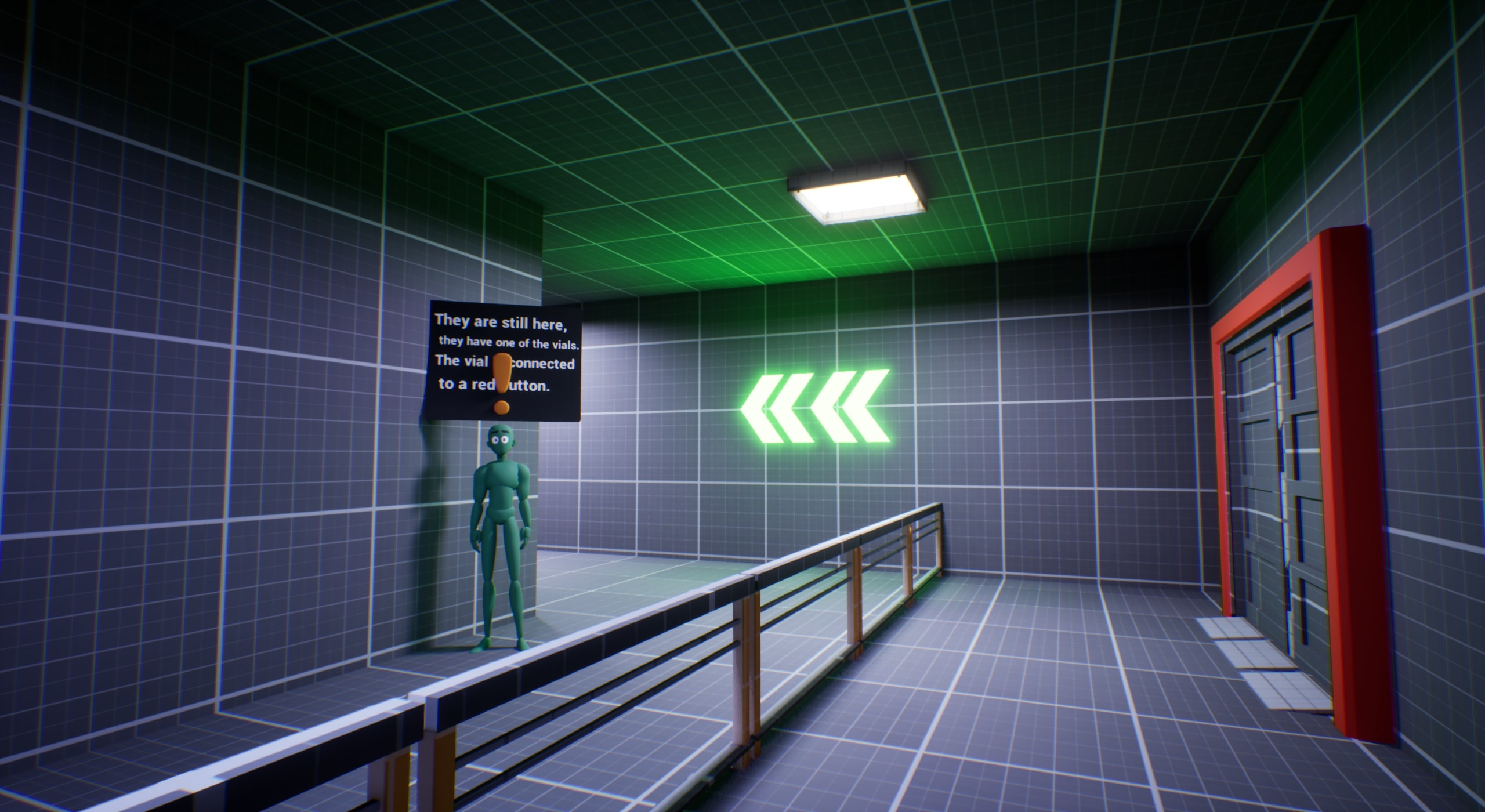
  • Add texts and dialogues to NPCs to enhance narrative and interaction.
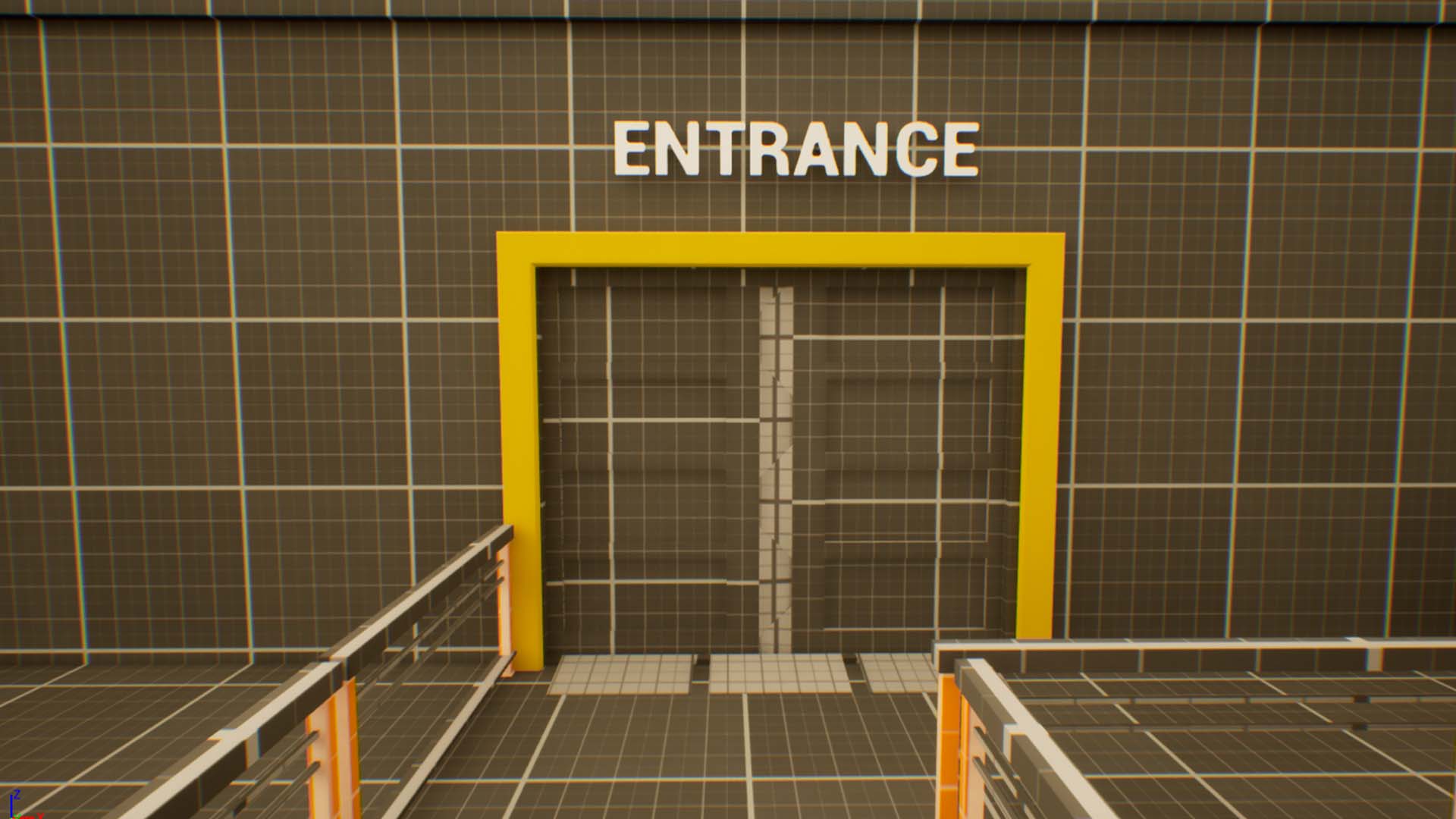
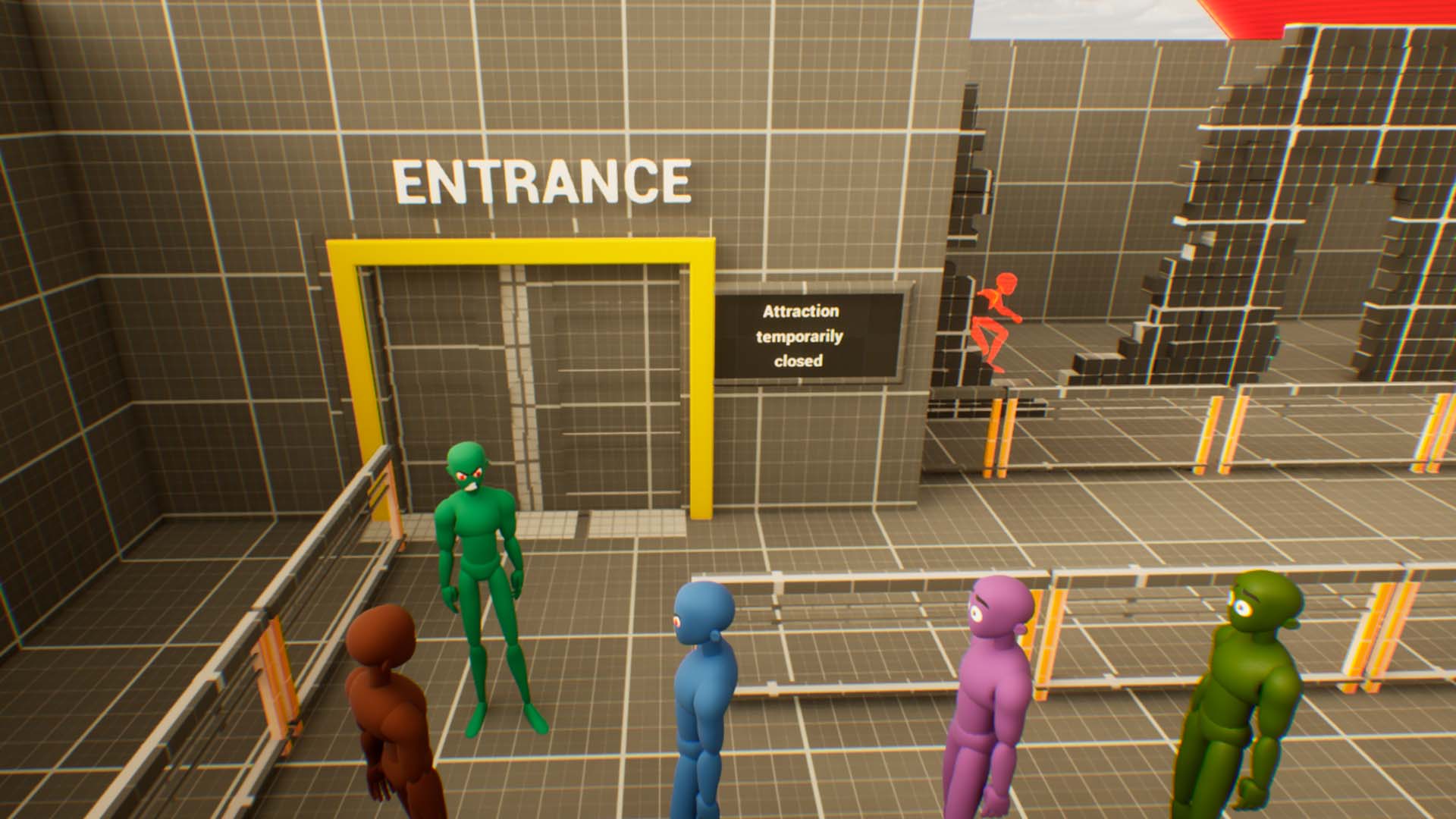
  • Place “Entrance” signs on attractions for clearer navigation.
  • Mark the maze path using blood as a visual cue.
  • Create a shortcut connecting “Quantum Rush” with “Abyss Flow.”
  • Redesign cover placement in “Abyss Flow” to improve combat strategy.
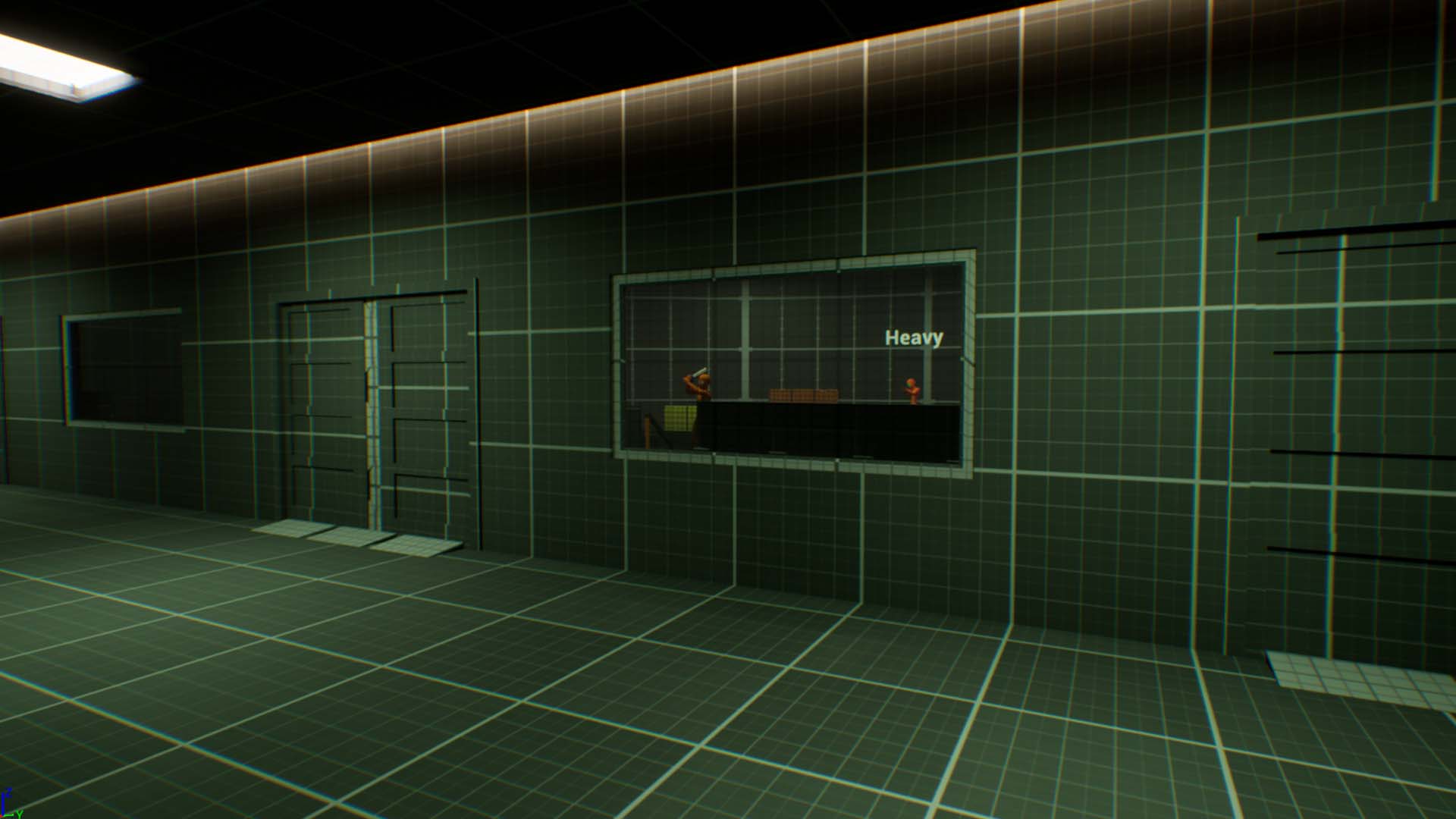
  • Add windows in “Phantom Hall” to enhance visibility and atmosphere.

Solution:

  • Implemented NPC texts and dialogue, providing story context and useful hints.
  • Placed “Entrance” signage on attractions, reinforcing orientation and readability.
  • Added blood markings to guide players intuitively through the maze.
  • Built a shortcut linking “Quantum Rush” to “Abyss Flow,” improving navigation flow.
  • Reworked cover design in “Abyss Flow” for more tactical combat encounters.
  • Introduced new windows in “Phantom Hall,” increasing spatial awareness and environmental depth.

Result:
The level became more immersive and strategically balanced. NPC texts enriched the narrative, while attraction signs and blood cues made navigation more intuitive. The shortcut improved player flow between key areas, redesigned covers in “Abyss Flow” deepened tactical options, and windows in “Phantom Hall” enhanced atmosphere and visibility.

Skip to...